
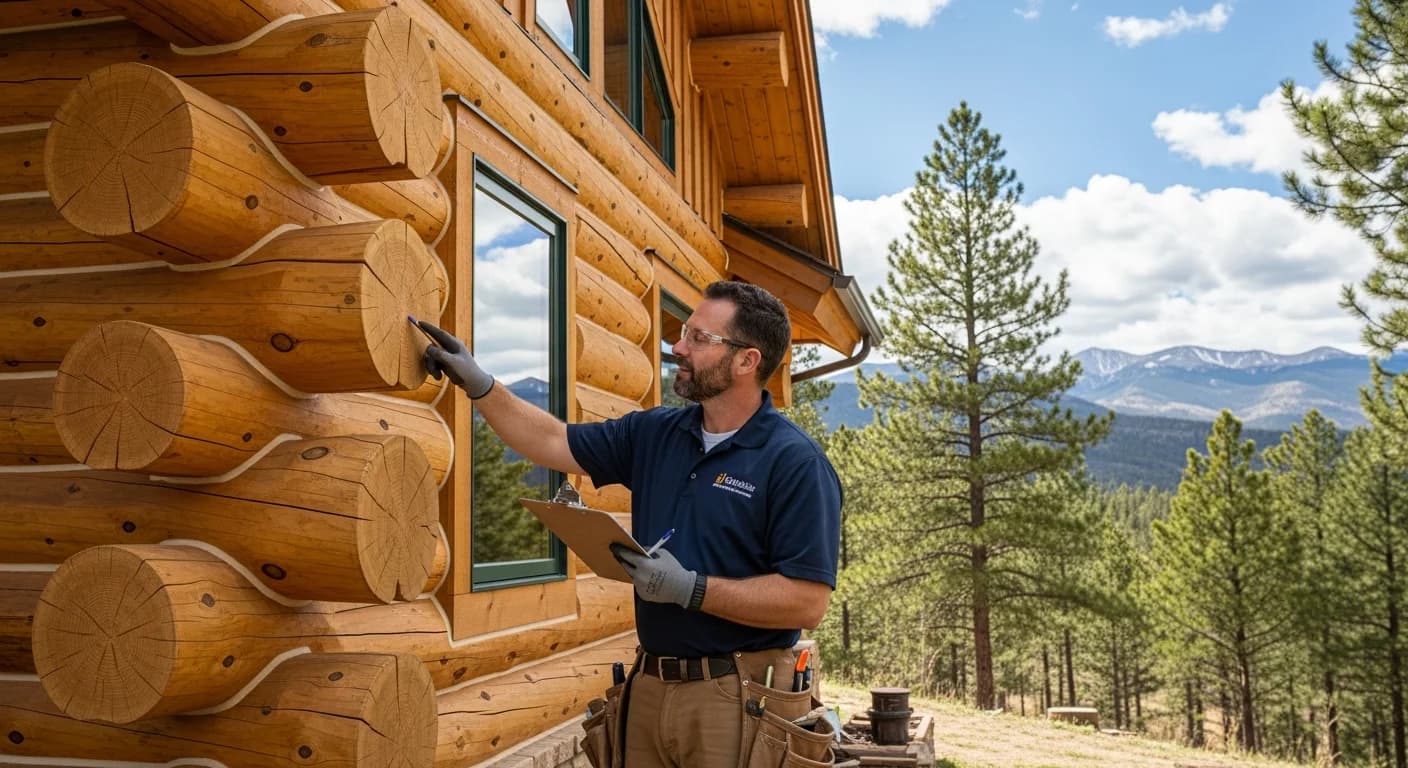
Log Home Inspection in Cimarron, Colorado
A real Cimarron inspection, anonymized — and a textbook example of a log home kept in the affordable maintenance range instead of slipping into a full restoration.
Log Homes in the Cimarron Valley
Cimarron sits along the US-50 corridor between Gunnison and Montrose, where the Cimarron River drops out of the high country toward the Black Canyon. Log homes here live in a punishing mix of high-desert sun and alpine weather: intense, high-altitude UV through the long summer, then hard freeze-thaw cycling once winter sets in.
That combination is exactly what breaks down a log finish — UV strips the protective pigment, and freeze-thaw works moisture into any unsealed check or joint. The good news is that a Cimarron log home does not have to slide into expensive restoration. Caught on schedule, it stays in a simple, low-cost maintenance rhythm. The example below shows what that looks like in practice.
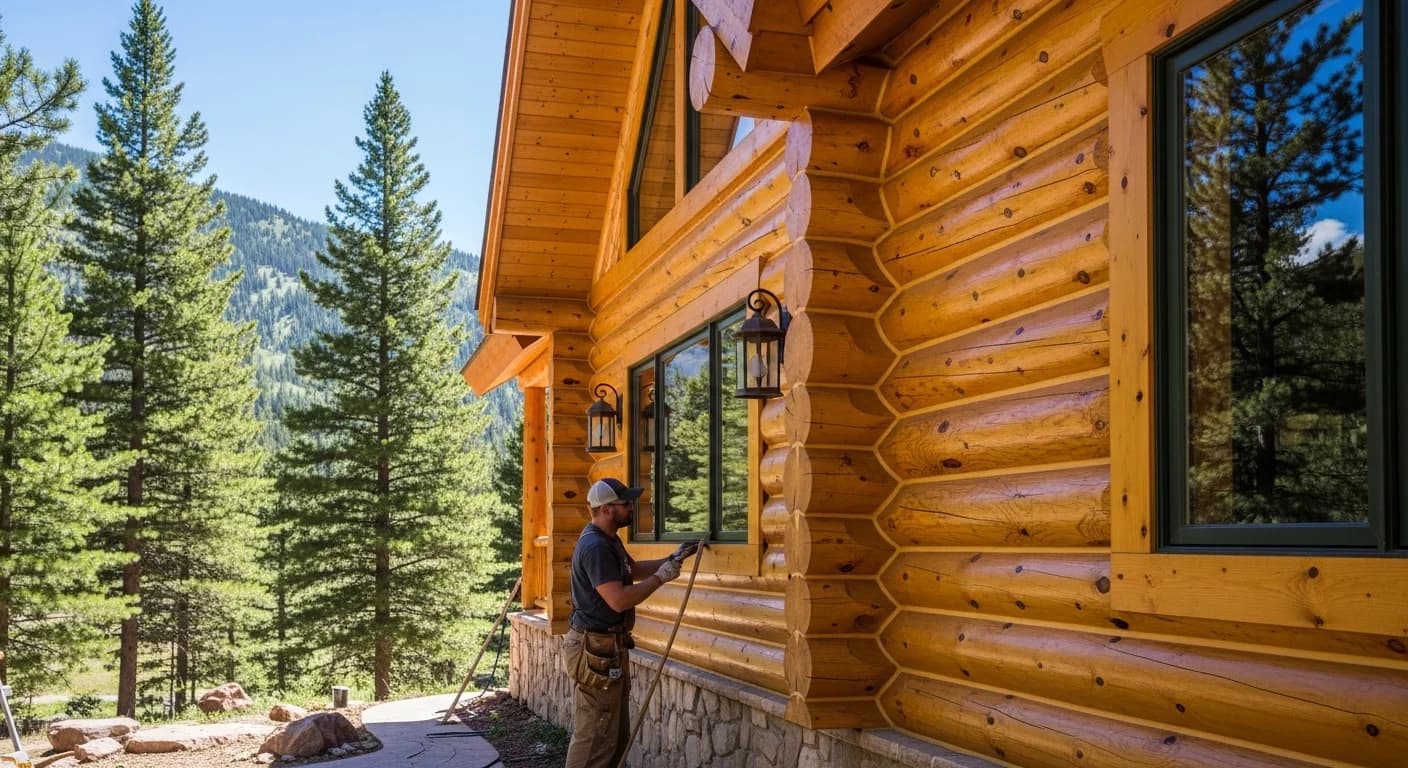
A maintained full-log home in Cimarron
The exterior of this home was in good overall condition and had been recently recoated, so the recommended work was primarily protective maintenance rather than restoration. The interior logs, by contrast, were heavily soiled and had never been finished, and a few elements — the decks, the high-exposure west wall, and the caulking — were due for service.
Addressing these items now keeps the structure well ahead of the costly full strip-and-refinish that results when maintenance is deferred. This is the cheapest place a log home can ever be: a maintenance posture, not a restoration one.
Findings at a Glance
| Area | Current condition | Recommended action |
|---|---|---|
| Exterior log walls | Recently recoated, well protected | Maintain on a 3-year recoat cycle |
| West wall (high exposure) | Localized blistering & peeling stain | Sand to sound wood and recoat |
| Exterior decks | Worn finish, due for service | Pressure wash and re-stain |
| Exterior caulking | Gaps and bird/insect damage in spots | Re-seal posts and windows; repair failures |
| Interior logs — surface | Heavily soiled, unfinished | Multi-pass wash, then clear finish |
| Interior logs — checks | Open checks (cracks) in logs | Back and caulk to seal |
Documented Conditions
Exterior log walls — recently recoated
The exterior walls had recently been recoated with Sashco Transformation Log & Timber finish — fresh, evenly built, and protecting well across the elevations. No stripping or full refinishing was needed. The home was in a maintenance posture, which is the most cost-effective place for a log home to be.
West wall — blistering & peeling
The west wall is the highest-exposure elevation, taking the strongest afternoon sun. Localized blistering and peeling of the stain was present — a normal finish failure on a high-exposure wall driven by UV and trapped moisture. The fix is to sand affected areas back to a sound substrate, feather the edges, and spot-recoat with matching finish.
Decks — worn finish
Horizontal deck boards take far more abrasion and standing UV than walls, so they wear on a shorter cycle. The current finish was thinning through the main traffic paths. The boards remained structurally sound — a finish-renewal item, not a board-replacement one: pressure wash, dry, and re-stain.
Caulking & seals — spot failures
Deck support posts carried open checks that hold water; east-side casement windows had incomplete seal; and some west-wall caulk had been damaged by birds and insects. Sound sealant joints are what keep wind-driven water out of the joinery and end grain, so these were backed and re-sealed.
Interior logs — heavily soiled & unfinished
The interior logs carried years of dust, airborne grime, and oxidation, and had never been finished. A single wipe-down will not lift that load — the logs need a multi-pass cleaning with Perma-Chink Log Wash before any finish, because a finish applied over a soiled surface seals the dirt in and will not bond.
Interior checks (cracks)
Large checks in the interior logs open as the wood continues to season. Upward-facing checks collect dust and let air move through the wall. Backing them with backer rod and caulk closes the gap cleanly, improves appearance, reduces drafts, and limits places for pests to harbor.
Example Scope & Investment
The anonymized scope below mirrors the work order for this Cimarron project. Notice how modest it is — that is the entire point of staying on a maintenance schedule.
- Stain decksPressure wash and re-stain the deck surfaces$7,500
- Stain touch-upsSand and recoat blistering/peeling areas on the west wall and deck support posts (Sashco Transformation)$1,250
- Apply caulkingEast-side casement windows; repair west-wall caulking damaged by birds/insects$1,420
- Clean logsInterior logs cleaned with Perma-Chink Log Wash (multi-pass)$8,800
- Apply clear coatTwo coats of Sashco Symphony Interior clear finish$12,500
- CaulkingBack and caulk large checks (cracks) in logs$3,450
These figures come from a real Log Home Finishing inspection in Cimarron, shown here as an anonymized example. Every home is different — your inspection includes a written scope and pricing matched to your home’s actual condition.
Products & methods used
Recommended Maintenance Schedule
A log home only ever needs a full, expensive refinish when maintenance lapses long enough for the finish to fail and the bare wood to weather. The schedule below keeps a Cimarron home permanently in the maintenance range.
| Element | Interval | What it involves |
|---|---|---|
| Exterior oil — log walls | Every 3 years | Maintenance recoat of Sashco Transformation over sound finish |
| Exterior decks | As needed (shorter cycle) | Wash and re-stain; decks weather faster than walls |
| Caulking & seals | Annual visual check | Inspect posts, windows, and joints; spot-repair any failures early |
| Interior clear finish | Long cycle | Clean and recoat only as wear or soiling warrants |
Why the Maintenance Schedule Matters
Transformation is a penetrating oil-based finish, and the sun-exposed elevations at this altitude lose UV protection well before the finish looks worn. A light maintenance coat every three years refreshes that protection over sound film, keeps the logs from greying or checking further, and avoids ever returning to a full sand-and-strip refinish.
The three-year exterior recoat and an annual seal check are inexpensive by comparison to a restoration. That is the difference between a $35,000 maintenance project and a six-figure restoration a decade later.
- Recoat the exterior oil every 3 years, measured from the most recent recoat.
- Service decks on a shorter cycle than walls — they weather first.
- Check posts, windows, and joints annually and spot-repair early.
- Clean and clear-coat bare interior logs to lock in the surface and ease future dusting.
What the Work Looks Like
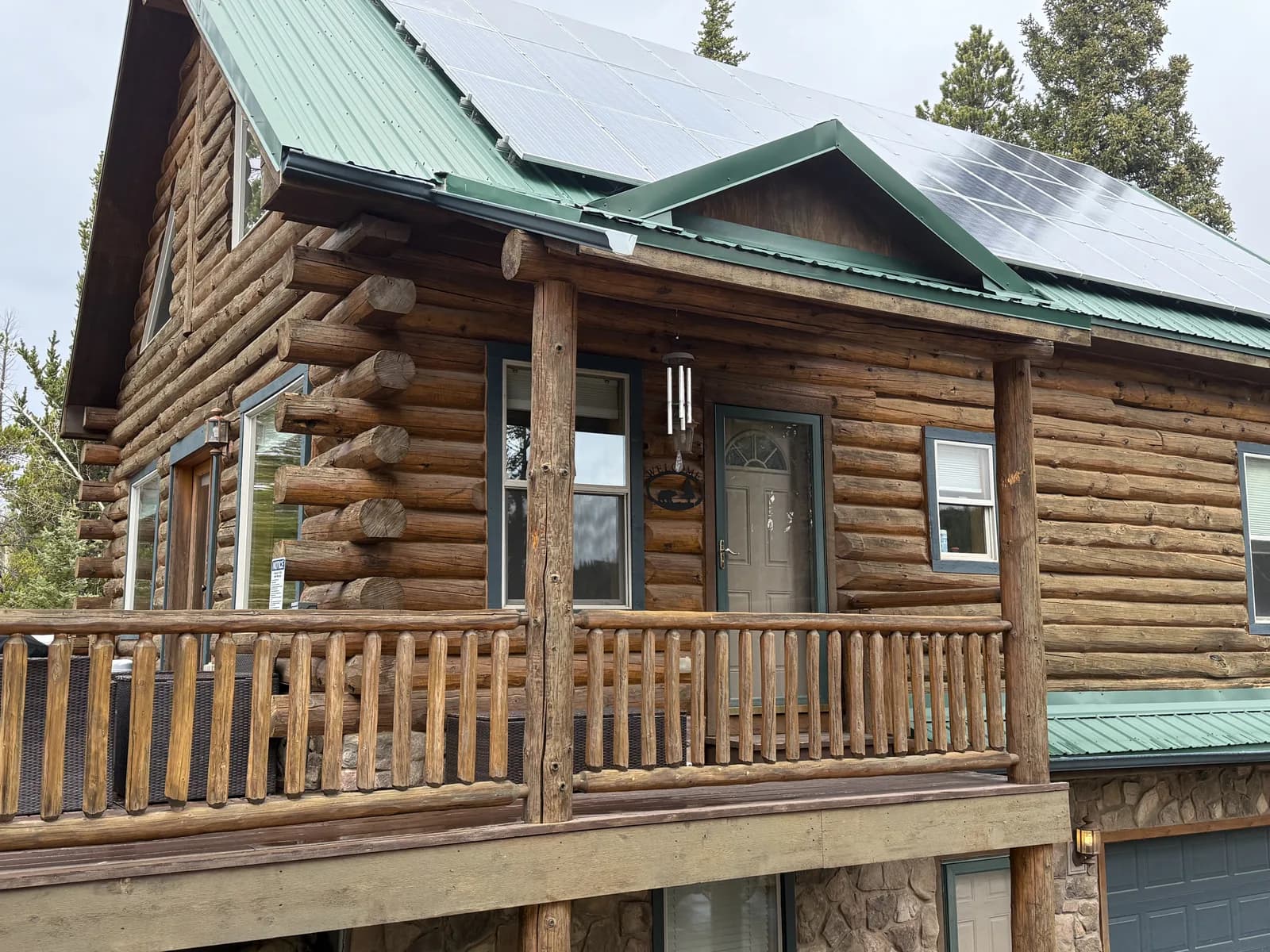
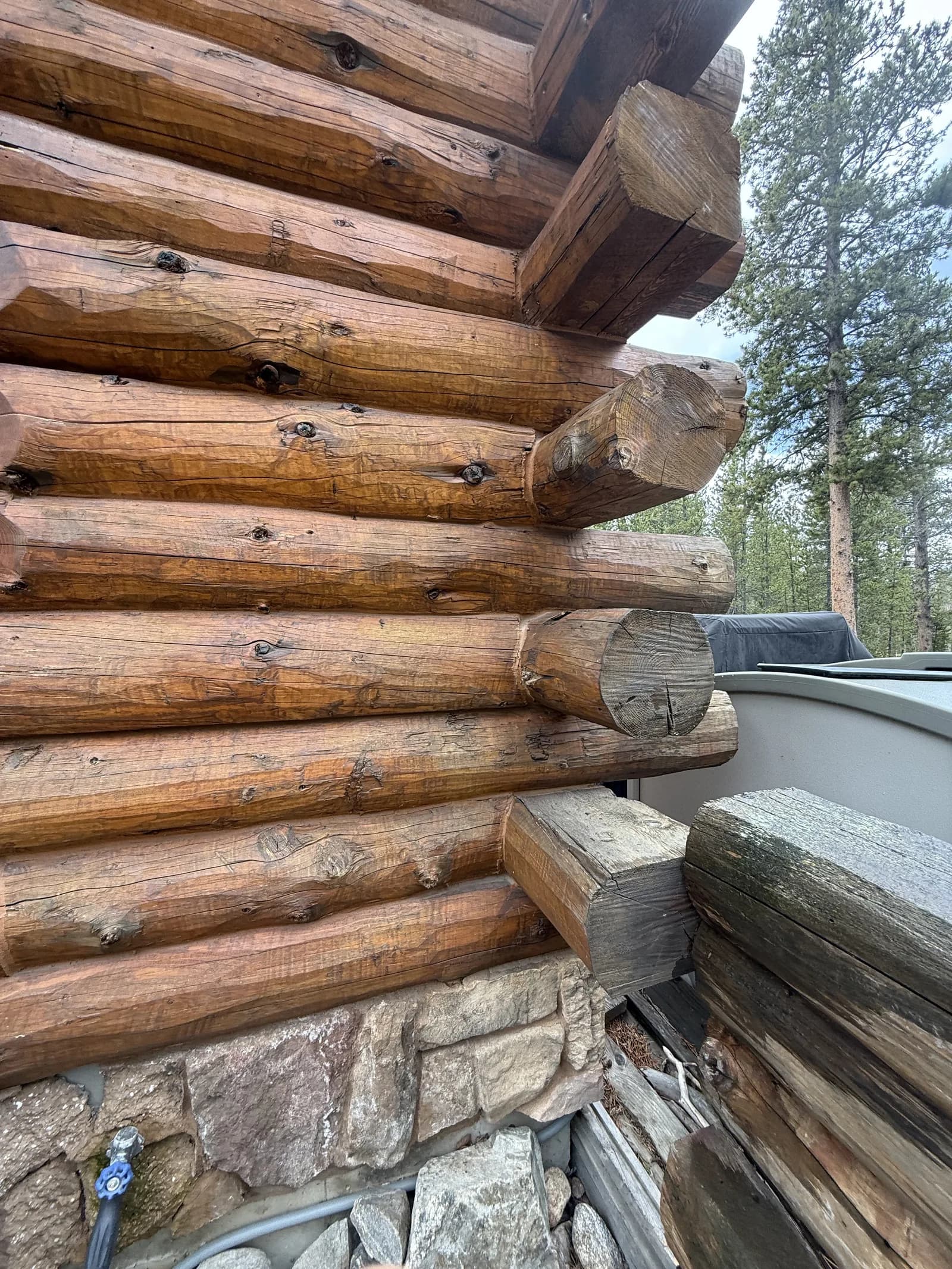
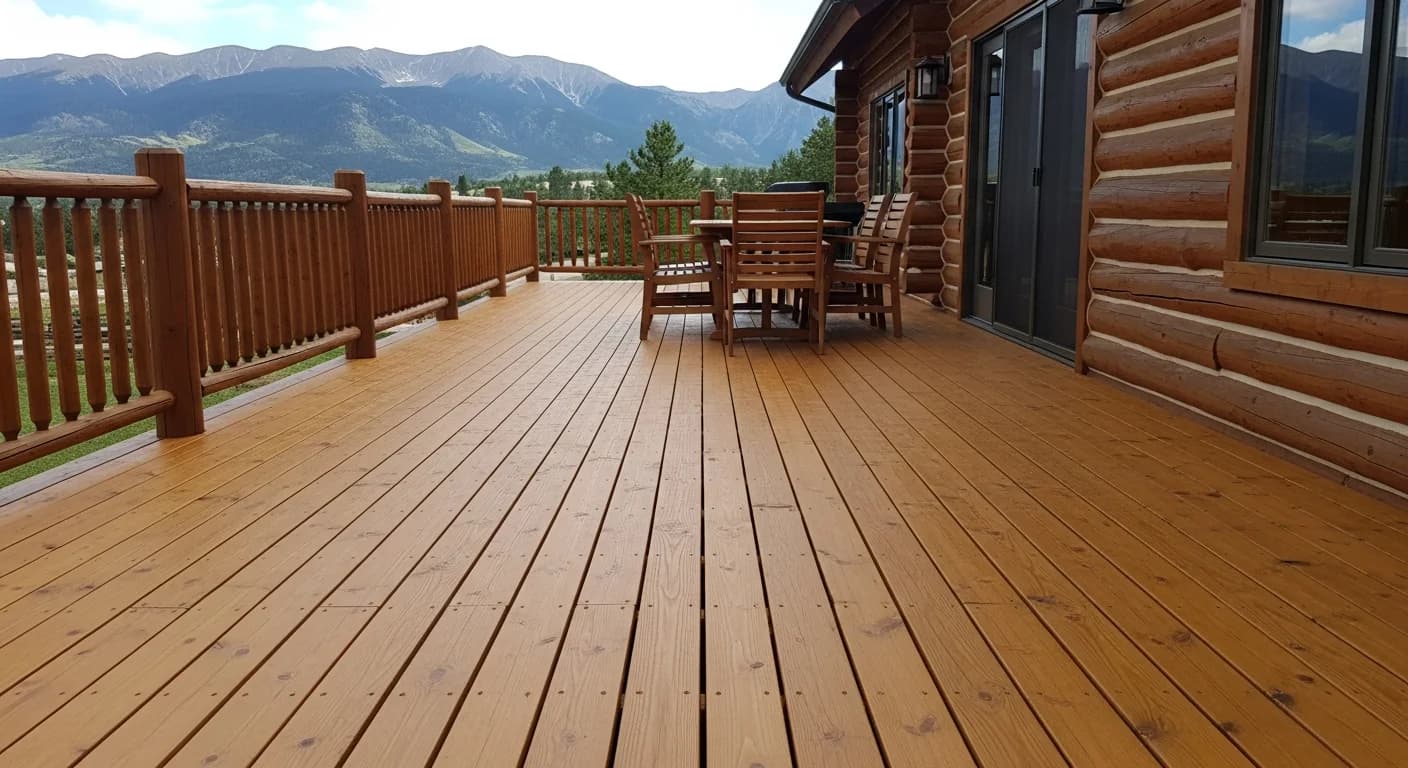
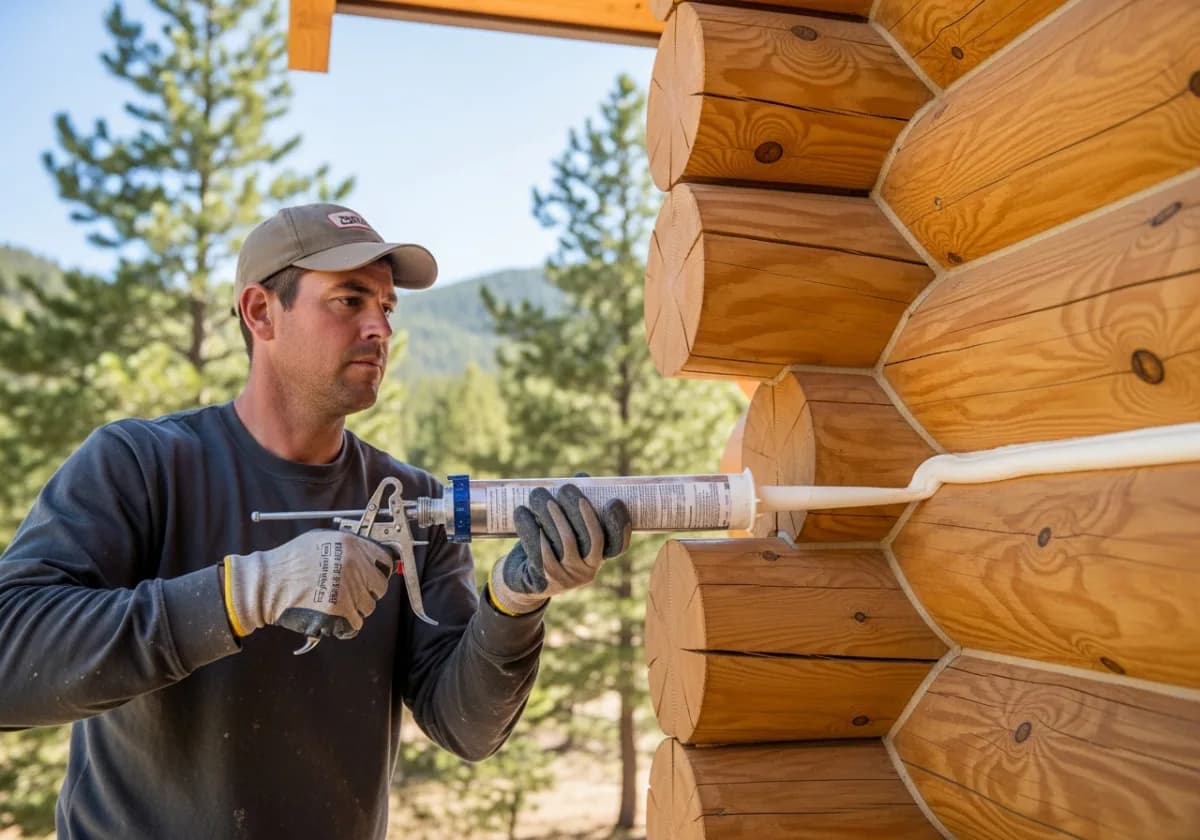
Illustrative photos of Log Home Finishing staining, chinking, and restoration work in Colorado.
Cimarron Log Home Inspection — FAQ
How often should I recoat a log home in Cimarron?
Plan on a maintenance recoat of the exterior oil finish about every 3 years, measured from the most recent recoat. At Cimarron’s altitude, the sun-exposed walls lose UV protection well before the finish looks worn, so a light coat on schedule keeps the home from greying or checking and avoids a full sand-and-strip refinish.
What is the difference between maintenance and restoration on a log home?
Maintenance is a light recoat over a sound, well-adhered finish — relatively quick and inexpensive. Restoration is what happens after maintenance lapses: the finish fails, bare wood weathers, and the logs have to be media blasted back to fresh wood before any new system will bond. Staying on a maintenance schedule keeps you in the affordable range.
Do interior log walls need to be finished?
They benefit from it. Bare interior logs absorb dust and odor and are hard to keep clean. After a multi-pass cleaning with Perma-Chink Log Wash, two coats of a clear interior finish lock in the cleaned surface, make future dusting far easier, and give the wood a subtle natural sheen without changing its color.
Why do the decks wear out faster than the walls?
Horizontal deck boards take foot traffic and standing UV that walls never see, so the finish thins through the main paths first. As long as the boards are structurally sound, it is a finish-renewal item — pressure wash, dry, and re-stain on a shorter cycle than the walls.
Example Inspections in Other Colorado Towns
Real, anonymized inspections from log homes across the state.
An incompatible finish peeling off a home and garage
View inspectionHigh-altitude UV, split railings, and open mortar
View inspectionA large-diameter full-scribe cabin in Buena Vista
View inspectionA solid log home with a failed deck system
View inspectionA VERY GOOD, well-maintained pre-purchase home
View inspectionFailed interior chinking and an overdue exterior
View inspectionA multi-structure log property in Evergreen
View inspectionA sound home ready for a full clean and finish
View inspectionMissing chinking and open log checks
View inspectionSun-worn siding and decks, caught at maintenance
View inspectionA full-scribe home that was never chinked
View inspectionSound structure, end-of-life finishes inside and out
View inspectionAn infested, weathered handcrafted log home
View inspectionA historic ten-building log ranch
View inspectionA two-story log home in Pine
View inspectionA large D-log home in Steamboat Springs
View inspectionA historic town hall in Tin Cup
View inspectionKeep Your Cimarron Log Home in the Maintenance Range
An inspection now tells you exactly where your finish, seals, and interior stand — and whether you need a simple recoat or something more.
Thomas Elliott · Serving log home communities across Colorado
Cimarron Area & Related Services
Start with the main log home inspection page to see our full process, or explore log home restoration and maintenance for the work that follows.