
Log Home Inspection in Cañon City, Colorado
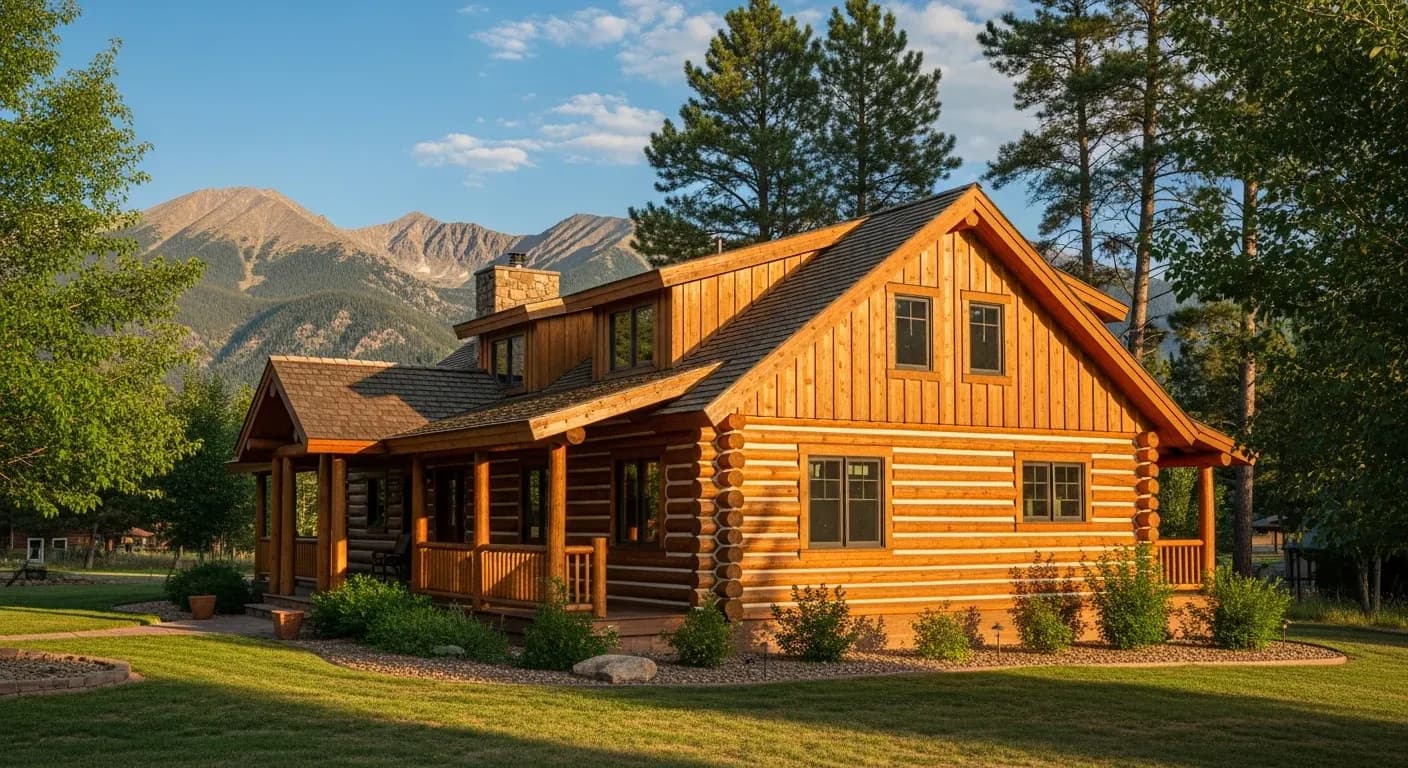
A real Cañon City inspection, anonymized — solid log walls that had weathered well, paired with a failed deck system and a finish that could no longer be recoated.
Log Homes in the Cañon City Area
Cañon City sits at roughly 5,300 feet where the Arkansas River breaks out of the Royal Gorge into Fremont County — a pocket of Colorado mild enough that locals call it the “Climate Capital.” Those gentle winters fool a lot of log-home owners. The real enemy here is not snow load; it is relentless high-desert sun. Long, hot, dry summers drive intense UV onto south- and west-facing log walls month after month, and the wide day-to-night temperature swings still flex the wood, opening checks and joints.
That climate breaks a finish down from the surface first, while the logs underneath can stay sound for decades. The Cañon City home below was a textbook version of that pattern: large-diameter logs and complex rooflines that had weathered beautifully, sitting on a deck system and behind a finish that had both reached the end of the line.
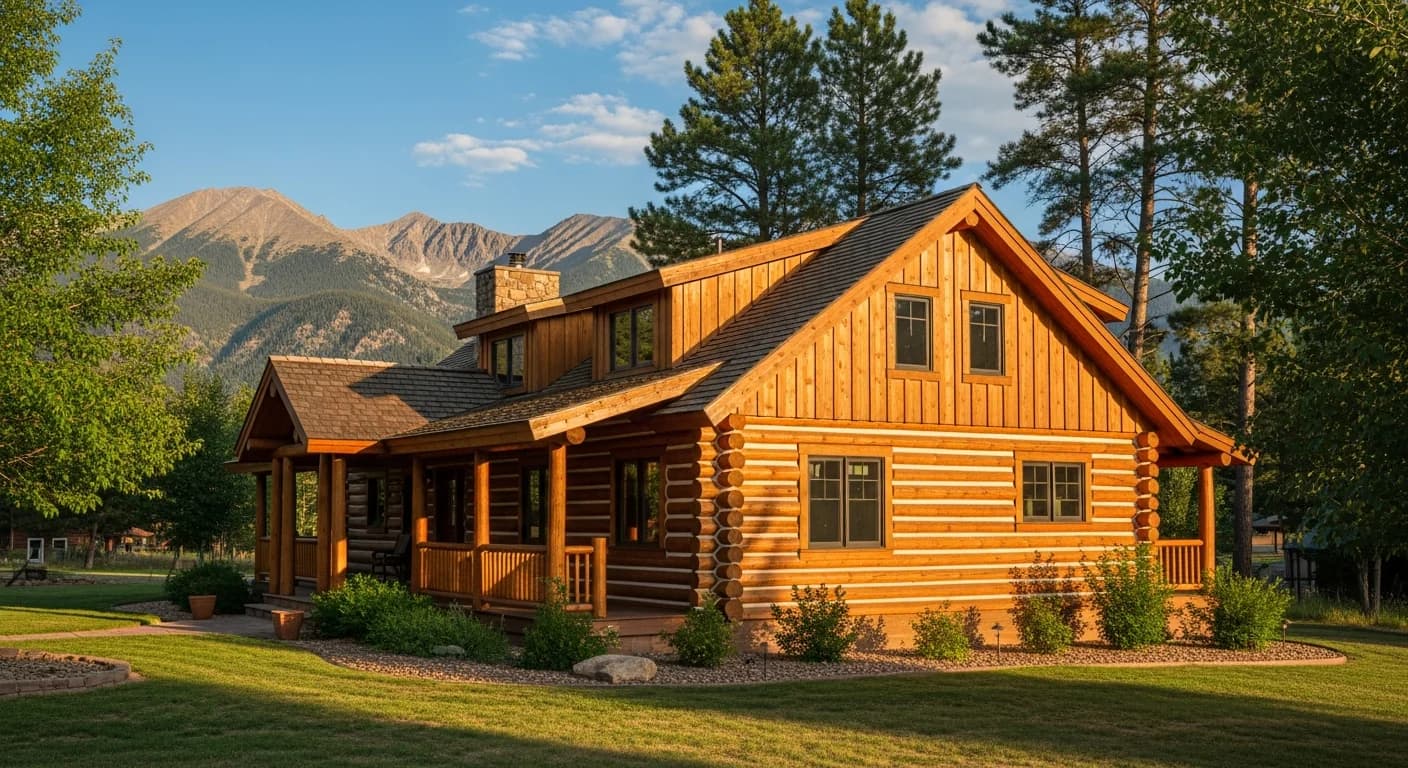
A solid log home with a failed deck system
The log structure itself was in sound condition — large-diameter logs and complex rooflines that had weathered well in Colorado’s high-altitude environment, free of widespread rot or structural compromise. The problems were all in the exterior systems: the deck framing had structurally failed, the stain-and-topcoat system was no longer in a condition to recoat, and the chinking and log checks had aged past their service life.
Because the walls were sound, the restoration could focus where it mattered — rebuilding the deck for safety, stripping the failed finish back to clean wood, and rebuilding the protective envelope with a full Permachink system, new chinking, and check sealing, with the matching barn brought up at the same time.
Findings at a Glance
| Area | Current condition | Recommended action |
|---|---|---|
| Main log walls | Sound, large-diameter, no widespread rot | Strip and refinish — no log replacement needed |
| Deck posts, railings & framing | Rotted and structurally failed | Full demolition and rebuild (reuse footers) |
| Exterior finish | Failed — bare wood, no UV protection | Media blast to clean wood, then sand |
| Chinking & log checks | Aged, substrate failure, open checks | Re-chink joints; fill ~2,400 LF of checks |
| Trim, fascia & soffits | Weathered with the walls | Blasted and refinished with the logs |
| Barn | Finish weathered, does not match home | Blast, sand, and stain to match |
Documented Conditions
Main log walls — structurally sound
The core of the home was in excellent shape. The large-diameter logs and complex rooflines had weathered well in the high-altitude environment, and the walls were solid and free of widespread rot or structural compromise. That single fact reshapes the whole project — it means the budget goes into surfaces and decks, not into tearing out and replacing structural logs.
Deck system — structural failure
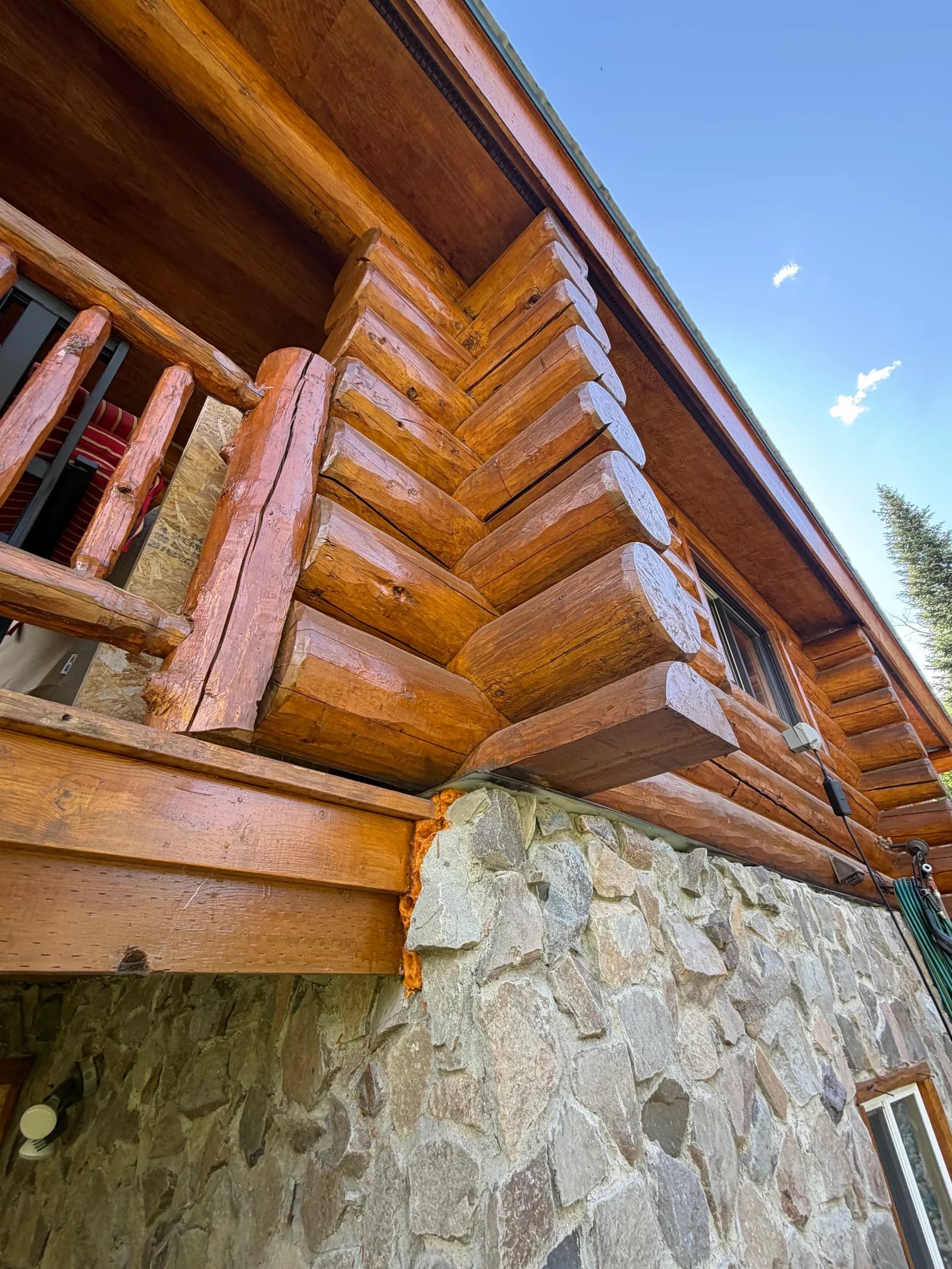
The deck support posts, railings, and attached framing members were rotted and structurally failed, with deterioration reaching into ledger boards, joists, and roof-overhang truss members. This is a genuine safety hazard, not a finish problem. The recommendation was a full demolition and rebuild of the deck system; the existing concrete footers could be reused, but every wood component had to be replaced.
Exterior finish — not recoatable
The existing stain and topcoat system was past the point where a recoat would bond. The finish had failed with uneven color and bare, weathered wood exposed, it had lost its UV protection, and it was no longer repelling water. Recoating over that surface would simply trap moisture and peel. The fix is to media blast all exterior log surfaces — along with trim, fascia, and roofline soffits — back to clean wood, then sand.
Chinking & log checks
The chinking showed aging and substrate failure, and the logs carried roughly 2,400 linear feet of open checks. Upward-facing checks collect water and feed it into the log core. New Permachink chinking goes over all exterior joints — removed and replaced with proper backer where the old material is too far gone — and the checks are filled to seal the envelope.
Barn — refinish to match
The barn on site needed refinishing to match the home’s restoration: the same blast, sand, and stain sequence with the matching Permachink system, so the whole property reads as one cared-for place rather than a restored house beside a graying outbuilding.
Example Scope & Investment
The anonymized scope below mirrors the work order for this Cañon City project. The headline number is large, but most of it is the deck rebuild — the log walls themselves only needed refinishing, not replacement.
- Full deck demolition & rebuildReplace all rotted posts, railings, joists, and framing; reuse existing concrete footers$225,000
- Media blast & sandAll log surfaces, trim, fascia, and roofline soffits back to clean, sound woodIncluded
- Six-coat Permachink system2 coats Prelude primer, 2 coats Ultra-2 stain, 2 coats Lifeline Advance clear topcoatIncluded
- Chinking & check fillNew chinking over all exterior joints; fill ~2,400 LF of log checks with backer and sealantIncluded
- Refinish barnBlast, sand, and stain to match the home’s finish systemIncluded
These figures come from a real Log Home Finishing inspection near Cañon City, shown here as an anonymized example. Every property is different — your inspection includes a written scope and pricing matched to your home’s actual condition.
Products & methods used
Keeping a Restored Cañon City Home Protected
Once the logs are back to clean wood and rebuilt with a full finish system, the home is reset to zero. A simple schedule from there keeps the Cañon City sun from ever forcing another full restoration.
| Element | Interval | What it involves |
|---|---|---|
| South & west log walls | Inspect yearly; recoat 3–5 yrs | Wash and a fresh maintenance coat on the highest-UV elevations |
| Rebuilt decks & railings | 1–2 years | Re-stain horizontal surfaces that take foot traffic and standing sun |
| Chinking & checks | Inspect yearly | Spot-repair any seal that opens before water gets behind it |
Why Solid Logs Still Need a Full Restoration
It is tempting to look at sound log walls and assume a quick recoat will do. But a finish that has already failed cannot be saved by adding another coat on top — the new stain has nothing to bond to and will peel within a season, wasting the material and the labor. Once a finish is gone, the only path back to protection is to take the wood to a clean surface and rebuild the system from primer up.
The decks are the other half of the story. Rotted posts and failed railings are a fall hazard that a coat of stain only hides. Rebuilding them — and sealing the logs and checks at the same time — protects both the people on the deck and the structure behind it, and resets the whole property onto an affordable maintenance cycle.
- Sound log walls mean the budget goes to surfaces and decks, not structural log replacement.
- A failed finish must be removed, not recoated — new stain will not bond to a dead surface.
- Rotted deck posts and railings are a safety hazard, not a cosmetic one.
- Sealing ~2,400 LF of checks keeps water out of the log cores after refinishing.
What the Work Looks Like
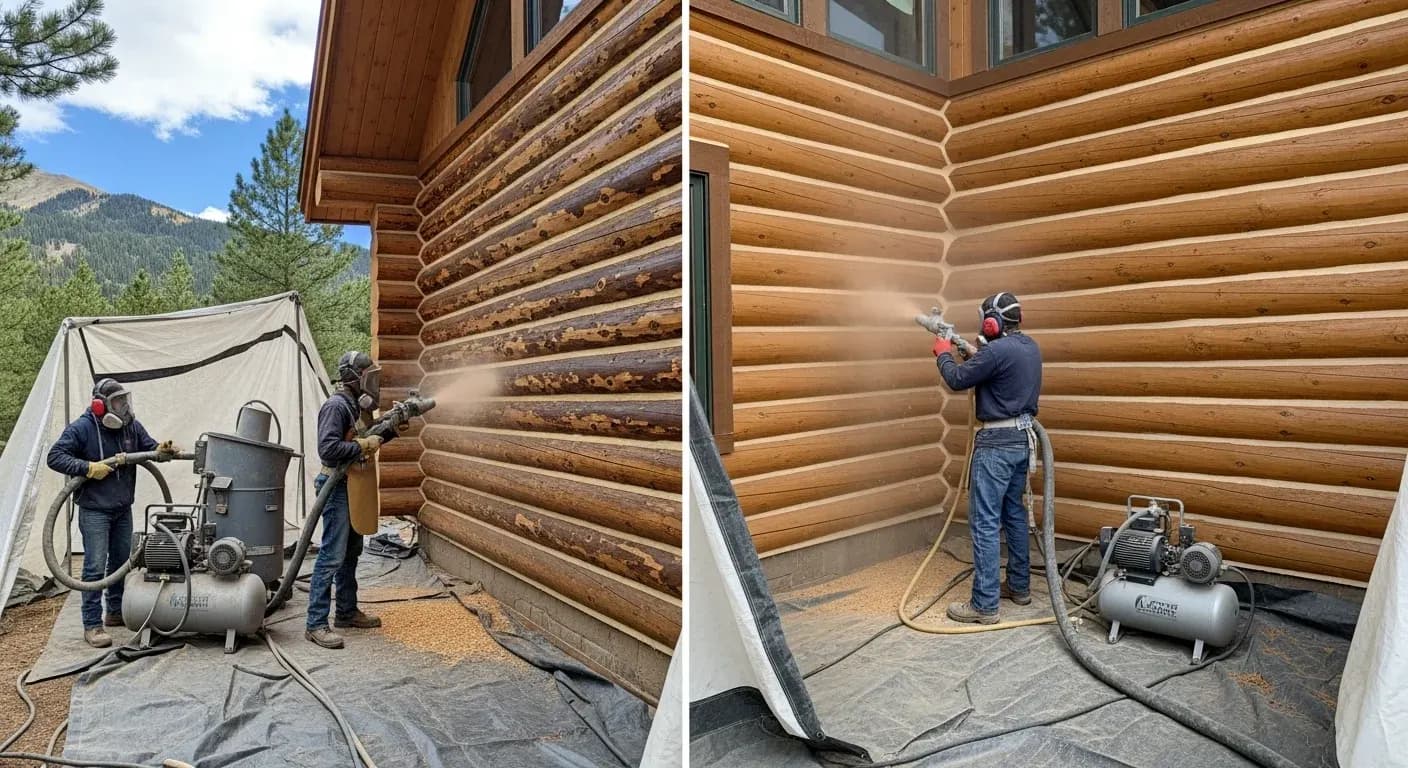
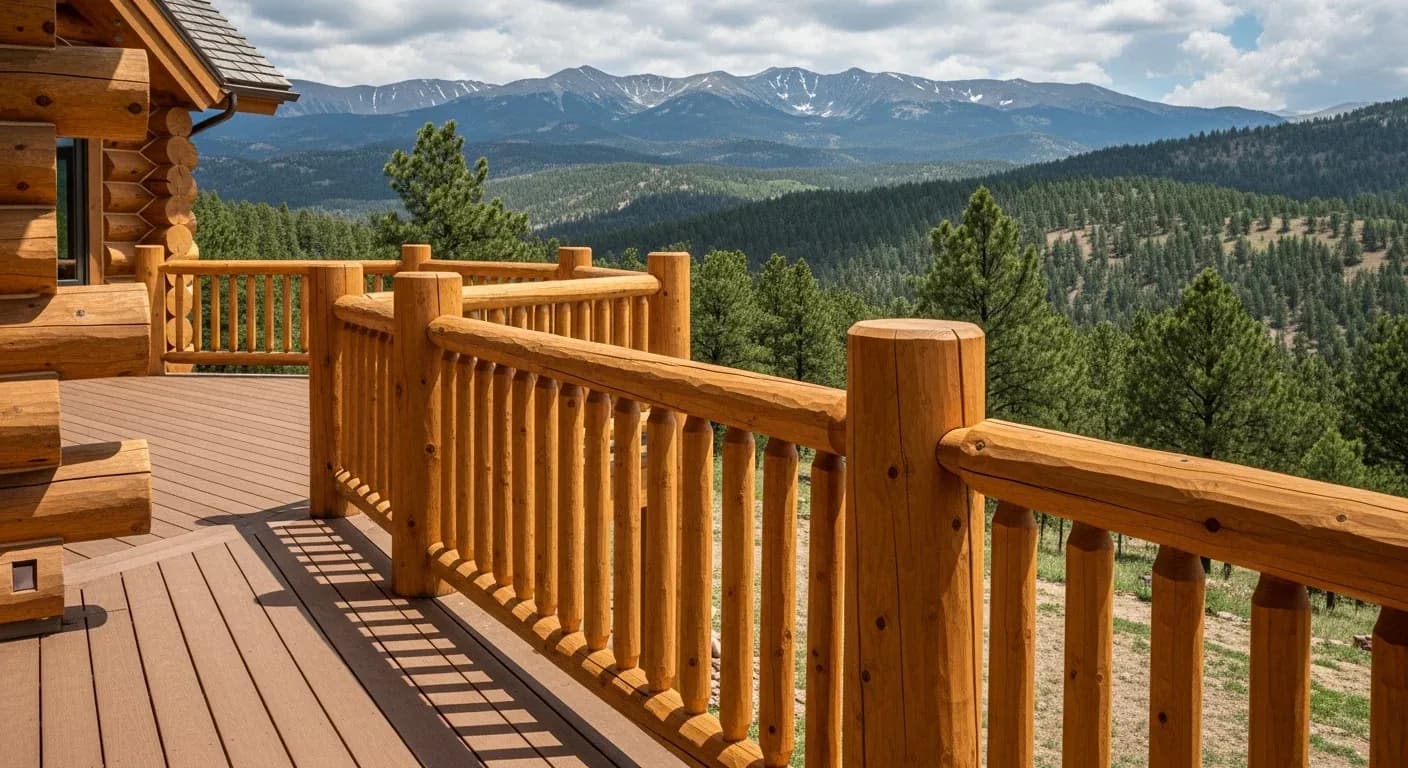

Illustrative photos of Log Home Finishing staining, chinking, and restoration work in Colorado.
Cañon City Log Home Inspection — FAQ
My log walls look fine — why did this home still need a full restoration?
Sound logs and a sound finish are two different things. On this Cañon City home the walls were structurally solid, but the stain-and-topcoat system had failed completely — bare wood showing, no UV protection, no water repellency. A finish in that state cannot be recoated; new stain will not bond and will peel. The walls being solid is the good news, because it means the work is refinishing and deck rebuilding rather than log replacement.
Why was the deck the single biggest line item?
Because it had structurally failed. The posts, railings, and framing were rotted through, with deterioration into the ledger, joists, and truss members — a real fall hazard. Those components cannot be safely refinished; they have to be demolished and rebuilt. On this project the existing concrete footers were reusable, which kept some cost out, but every wood member was replaced.
What is a six-coat Permachink system and why so many coats?
It is two coats of Prelude primer, two coats of Ultra-2 pigmented stain, and two coats of Lifeline Advance clear topcoat. Each layer does a different job — the primer bonds to clean wood, the stain carries the color and UV pigment, and the clear topcoat is the sacrificial weather barrier you renew over time. Built as a full system on blasted wood, it is what gives a Cañon City home years of real protection instead of a finish that fails again quickly.
Does a Cañon City inspection cover outbuildings like barns?
Yes. On this property the barn was inspected and included in the scope so it could be refinished to match the home. A log home inspection should cover every wood structure on the property — home, decks, railings, and outbuildings — because they all weather under the same Fremont County sun, and protecting them together keeps the whole place on one maintenance schedule.
Example Inspections in Other Colorado Towns
Real, anonymized inspections from log homes across the state.
An incompatible finish peeling off a home and garage
View inspectionHigh-altitude UV, split railings, and open mortar
View inspectionA large-diameter full-scribe cabin in Buena Vista
View inspectionA maintained full-log home in Cimarron
View inspectionA VERY GOOD, well-maintained pre-purchase home
View inspectionFailed interior chinking and an overdue exterior
View inspectionA multi-structure log property in Evergreen
View inspectionA sound home ready for a full clean and finish
View inspectionMissing chinking and open log checks
View inspectionSun-worn siding and decks, caught at maintenance
View inspectionA full-scribe home that was never chinked
View inspectionSound structure, end-of-life finishes inside and out
View inspectionAn infested, weathered handcrafted log home
View inspectionA historic ten-building log ranch
View inspectionA two-story log home in Pine
View inspectionA large D-log home in Steamboat Springs
View inspectionA historic town hall in Tin Cup
View inspectionRestoring a Log Home Near Cañon City?
An inspection tells you what most homeowners cannot see from the ground — whether your logs are sound, whether the finish can still be recoated, and whether the decks are safe.
Thomas Elliott · Serving log home communities across Colorado
Cañon City Area & Related Services
Start with the main log home inspection page to see our full process, or explore log home restoration and maintenance for the work that follows.