
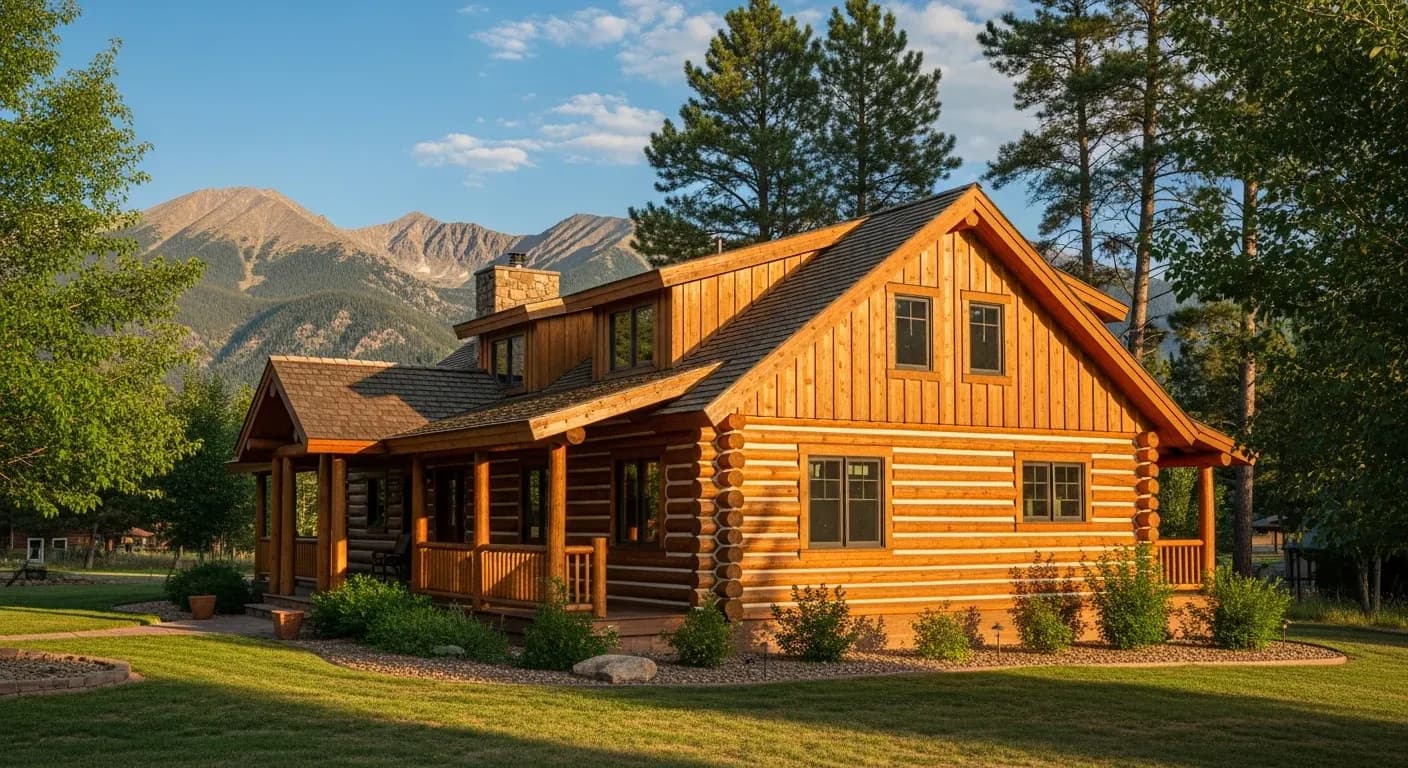
Inspection in Tin Cup, Colorado
A real Tin Cup inspection, anonymized — a lead-based paint assessment on a historic high-country building, and why encapsulation was the safe, code-appropriate answer.
Historic Structures in the Taylor Park High Country
Tin Cup is one of Colorado’s highest historic mining towns, tucked into Taylor Park above 10,000 feet in Gunnison County. The buildings that survive here have stood through more than a century of brutal winters, intense alpine UV, and short, dry summers — and many still carry the paint systems applied to them generations ago.
That history matters for more than charm. Coatings applied before the late 1970s frequently contain lead, and on a historic structure the right first step is not to start sanding — it is to test. The example below shows how an inspection that begins with laboratory analysis can change the entire approach to a building.
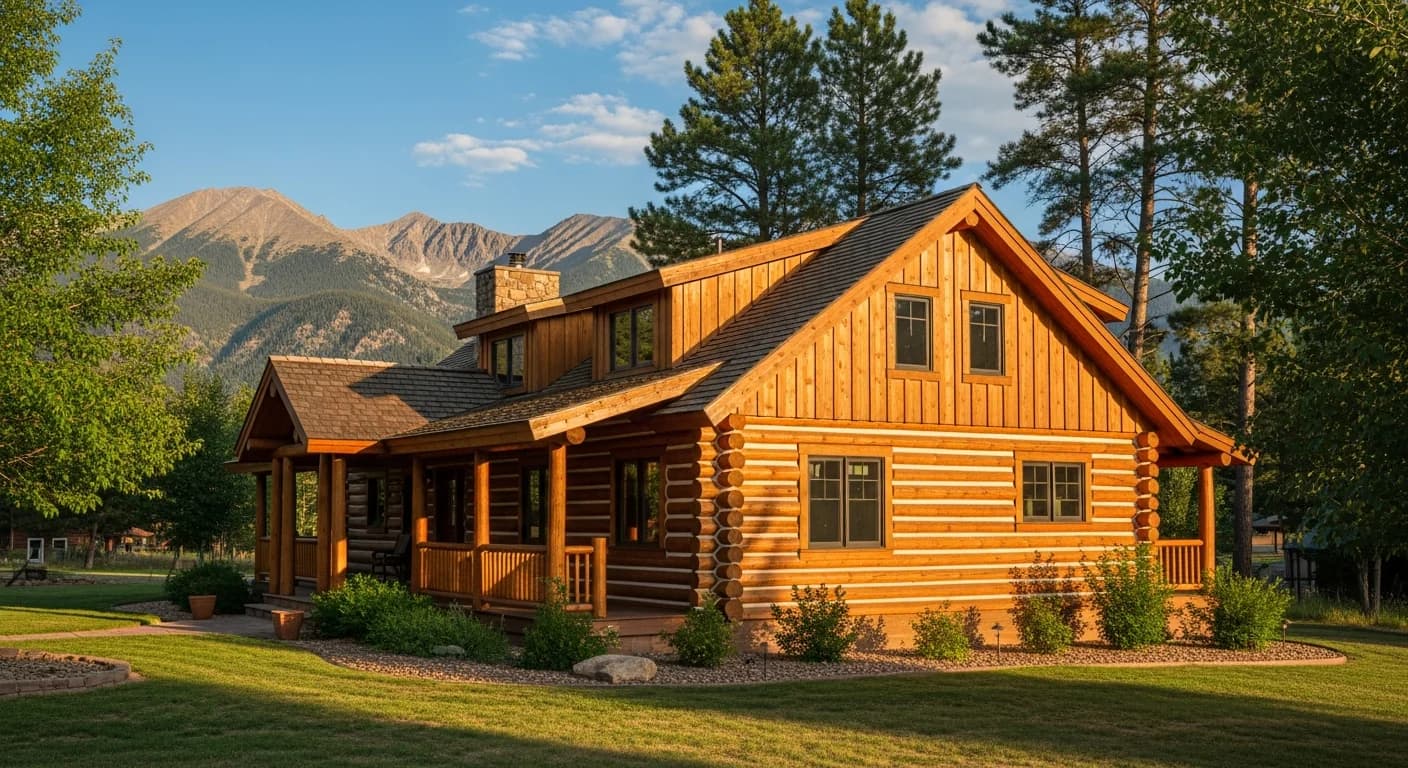
A historic town hall in Tin Cup
Before preparing any finish plan, three paint samples were collected from the building exterior and submitted to an independent, accredited environmental laboratory. All three returned positive for lead, with concentrations ranging from 2.0% to 3.9% by weight. Under federal standards a coating is classified as lead-based paint at or above 0.5% — so every surface tested was several times over the threshold.
Because the coating contains significant lead, it cannot safely be removed by scraping, sanding, grinding, or power washing — each of those would release hazardous lead dust onto the site. The recommended, code-appropriate approach was to leave the sound existing paint in place and encapsulate it: prime and re-coat the structure, with targeted repair of damaged trim and crown molding.
Findings at a Glance
| Area | Current condition | Recommended action |
|---|---|---|
| Front door (paint) | Lead detected — 2.0% by weight | Encapsulate; do not sand or scrape |
| Window trim (paint) | Lead detected — 2.4% by weight | Encapsulate; replace damaged trim |
| Siding (paint) | Lead detected — 3.9% by weight | Bonding primer + re-coat to seal |
| Crown molding (front) | Damaged 14′ section | Replace, then encapsulate |
| Adjacent shed | Worn finish | Prime and paint |
Documented Conditions
Laboratory results — lead detected on all samples
Three exterior paint samples (front door, window trim, and siding) were independently analyzed and all returned positive for lead, at 2.0%, 2.4%, and 3.9% by weight respectively. The federal definition of lead-based paint is 0.5% by weight, so every tested surface exceeded the threshold by four to nearly eight times.
The existing paint must not be scraped or sanded
At 2–4% lead content, mechanically disturbing the paint — dry scraping, sanding, grinding, or aggressive power washing — would generate lead-contaminated dust and chips that pose a health hazard to occupants, workers, and the surrounding site. Removal is therefore not an appropriate or safe preparation method for this building.
Encapsulation — the safe, code-appropriate path
Encapsulation seals the lead-bearing paint in place beneath a new, durable coating system, eliminating exposure without creating dust. The process: gentle cleaning and de-glossing for adhesion (no abrasive removal), stabilize and spot-prepare only loose areas using lead-safe practices, apply a bonding primer, then re-coat the full exterior in the chosen color.
Damaged trim & crown molding
A 14-foot section of crown molding on the front of the building, and a 55-foot run of trim board on the east side, were damaged beyond what should be retained. These were scoped for replacement and then encapsulated along with the rest of the exterior so the whole building reads as one finished surface.
Example Scope & Investment
The anonymized scope below mirrors the recommended plan for this historic Tin Cup building — built entirely around sealing the lead in place rather than removing it.
- Paint exterior (encapsulation)Apply bonding primer and re-coat the exterior in the chosen color, encapsulating the existing lead-based paint4,500 sq ft @ $12/sq ft$54,000
- Replace crown moldingReplace damaged section on the front of the building14′ @ $20/ft$2,800
- Replace trim boardReplace trim boards on the east side55′ @ $10/ft$5,500
- Paint shedPrime and paint the adjacent shed$7,500
These figures come from a real Log Home Finishing inspection in Tin Cup, shown here as an anonymized example. Lead testing results apply only to the samples analyzed; every building is assessed on its own. Your inspection includes a written scope matched to your structure’s actual condition.
Products & methods used
Why Encapsulation, Not Removal
On a historic structure with intact, lead-bearing paint, the goal is to eliminate exposure without creating it. Stripping that paint would put lead dust into the air and soil around a high-traffic public building — the opposite of a safe outcome. Encapsulation seals the hazard beneath a fresh, durable coating instead.
Done correctly, encapsulation also protects the building itself: a sound primer-and-topcoat system over de-glossed, stabilized paint sheds water and UV, extends the life of the historic substrate, and leaves the structure looking restored rather than disturbed.
- Always test first — coatings from before the late 1970s frequently contain lead.
- Never dry-scrape, sand, or power-wash confirmed lead paint.
- De-gloss and stabilize, then prime and re-coat to seal the hazard in place.
- Replace only the trim that cannot be retained, then encapsulate the whole.
What the Work Looks Like
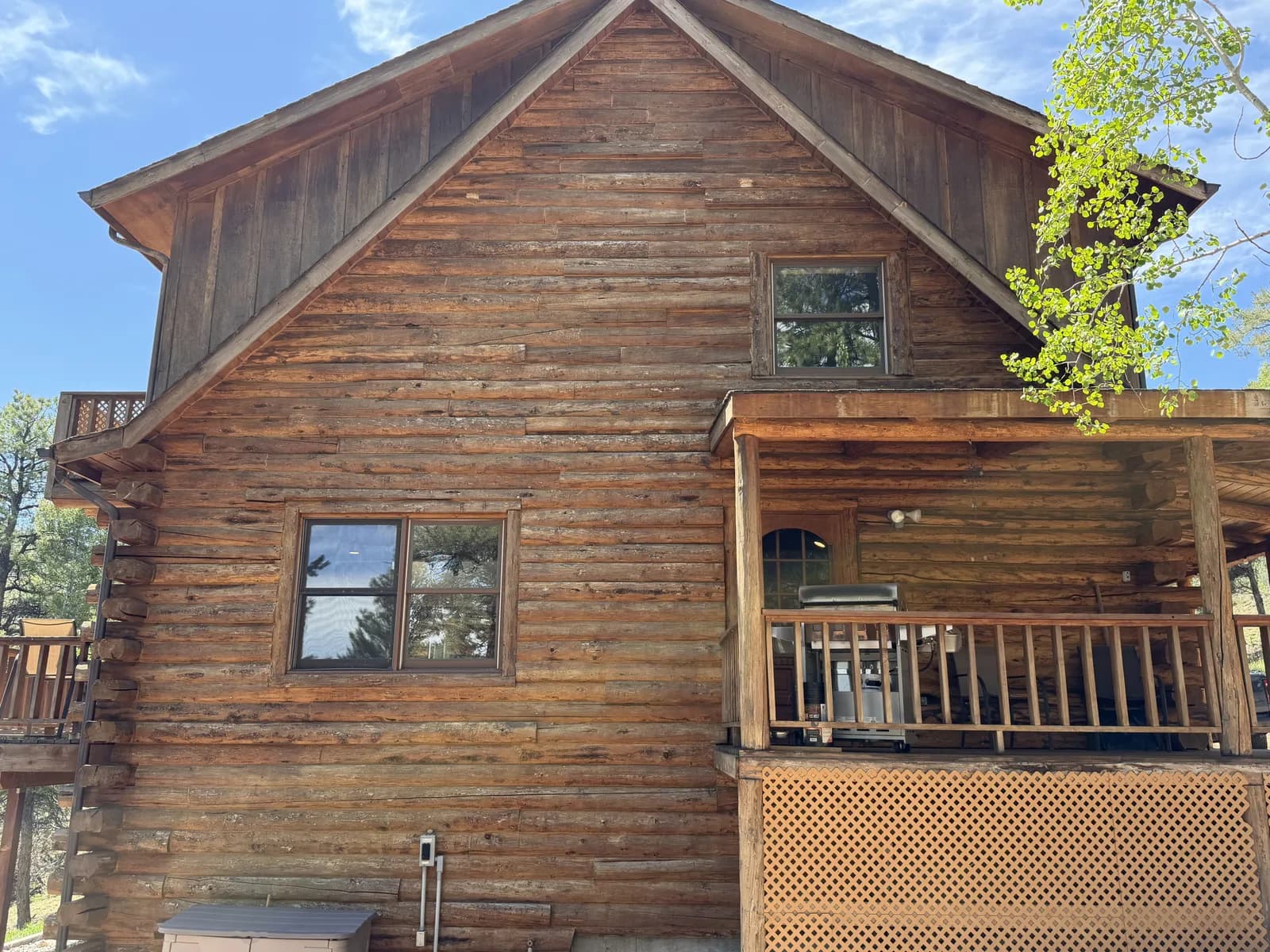
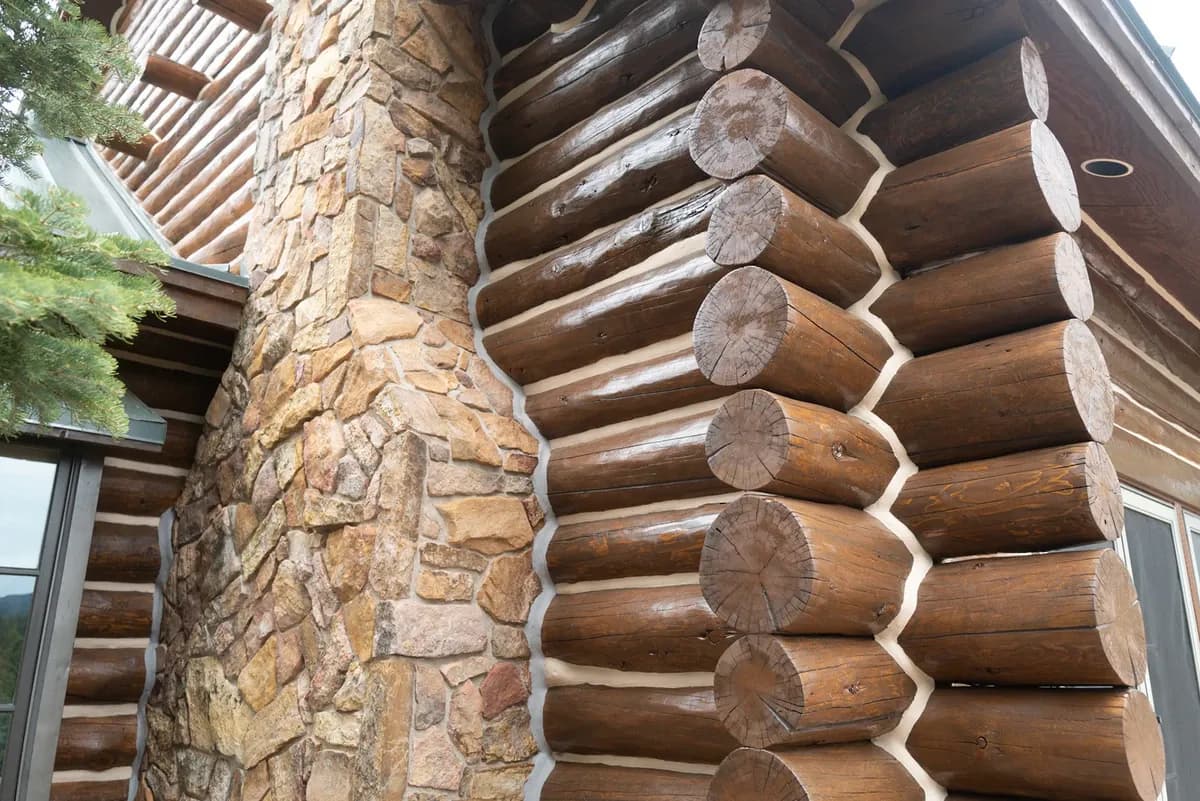
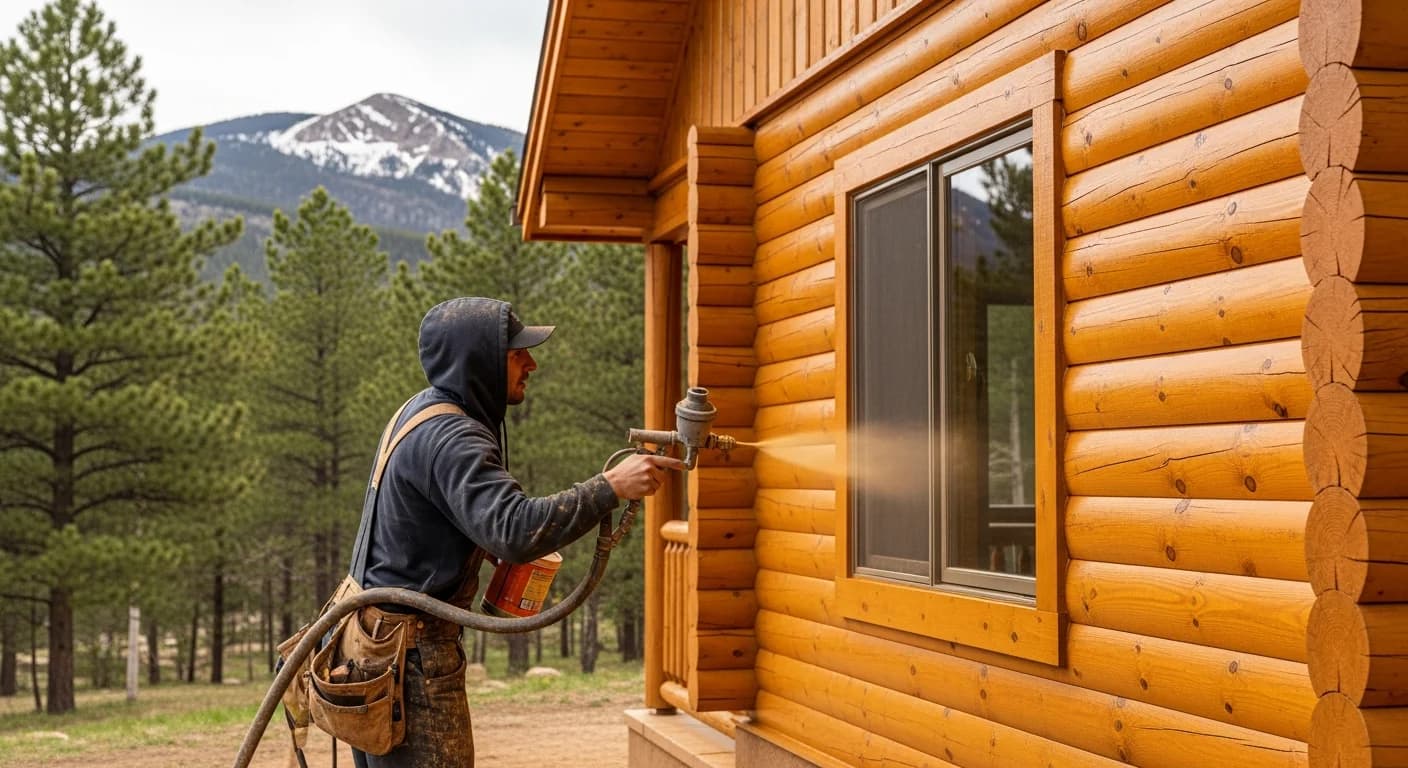
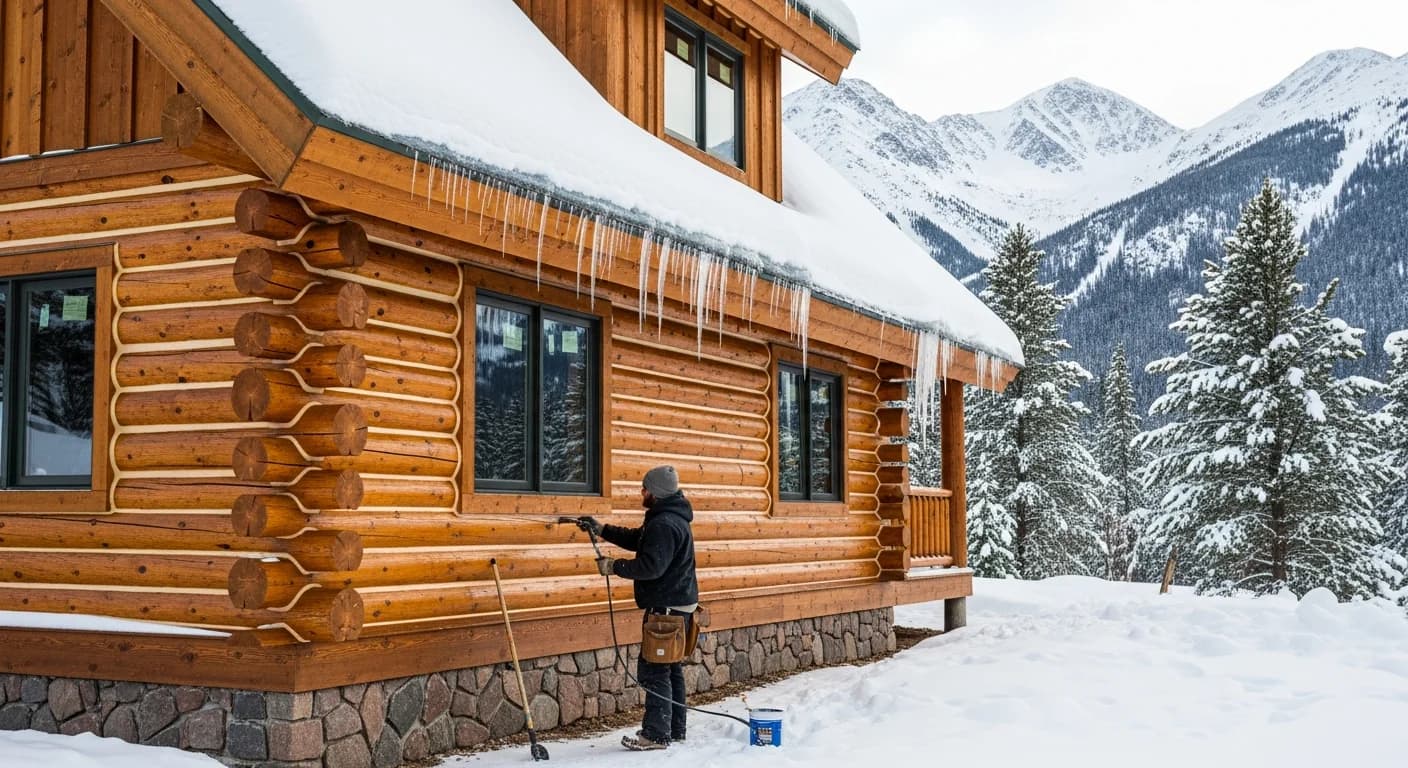
Illustrative photos of Log Home Finishing staining, chinking, and restoration work in Colorado.
Tin Cup Log Home Inspection — FAQ
How do you know if a historic building in Tin Cup has lead paint?
You test. Any coating applied before the late 1970s may contain lead, and you cannot tell by looking. We collect paint samples and submit them to an independent, accredited laboratory. Under federal standards a coating is lead-based at or above 0.5% by weight; the samples on this project ranged from 2.0% to 3.9%.
Can lead paint just be sanded or power-washed off?
No — not safely. At these lead levels, dry scraping, sanding, grinding, or aggressive power washing would release lead-contaminated dust and chips that are a health hazard to occupants, workers, and the surrounding site. Mechanical removal is not an appropriate preparation method for confirmed lead-based paint.
What is lead paint encapsulation?
Encapsulation seals the existing lead-bearing paint in place beneath a new, durable coating system, eliminating exposure without generating dust. The process is gentle cleaning and de-glossing for adhesion, stabilizing only loose areas with lead-safe practices, a bonding primer, and a full re-coat in the chosen color.
Do you work on historic and commercial buildings, not just log homes?
Yes. The same expertise in coatings, surface preparation, and Colorado weather that protects log homes applies to historic and timber structures. This Tin Cup project was a historic public building, assessed and scoped with the same care as any log home restoration.
Example Inspections in Other Colorado Towns
Real, anonymized inspections from log homes across the state.
An incompatible finish peeling off a home and garage
View inspectionHigh-altitude UV, split railings, and open mortar
View inspectionA large-diameter full-scribe cabin in Buena Vista
View inspectionA solid log home with a failed deck system
View inspectionA maintained full-log home in Cimarron
View inspectionA VERY GOOD, well-maintained pre-purchase home
View inspectionFailed interior chinking and an overdue exterior
View inspectionA multi-structure log property in Evergreen
View inspectionA sound home ready for a full clean and finish
View inspectionMissing chinking and open log checks
View inspectionSun-worn siding and decks, caught at maintenance
View inspectionA full-scribe home that was never chinked
View inspectionSound structure, end-of-life finishes inside and out
View inspectionAn infested, weathered handcrafted log home
View inspectionA historic ten-building log ranch
View inspectionA two-story log home in Pine
View inspectionA large D-log home in Steamboat Springs
View inspectionAssessing a Historic Building in Tin Cup?
An inspection that starts with the right testing protects both the people who use the building and the structure itself.
Thomas Elliott · Serving log home communities across Colorado
Tin Cup Area & Related Services
Start with the main log home inspection page to see our full process, or explore log home restoration and maintenance for the work that follows.