Zapata Ranch: Seven-Cabin Log Home Restoration Near Alamosa
Seven cabins. A year of planning. Eight weeks of restoration work. Our project at Zapata Ranch near Alamosa, Colorado, close to Great Sand Dunes National Park, brought together the preparation, finish selection and joint sealing that a substantial log-building restoration requires.
Log Home Finishing LLC worked with The Nature Conservancy on this Southern Colorado project. We media blasted old finishes and paint from the logs, restained with a Cabot finish in a custom color choice, removed all of the old failed concrete chinking, and installed new backer rod and chinking to seal the cabins.
This case study shares the scope and timeline of the work, along with eight supplied project photographs and annotated captions. For an overview of our approach on other properties, visit our Colorado log home restoration page.
Project at a glance: Zapata Ranch near Alamosa
- Setting: Zapata Ranch near Alamosa and Great Sand Dunes National Park in Southern Colorado.
- Client: The Nature Conservancy.
- Scope: Restoration of seven cabins.
- Planning: One year working with the nonprofit before the restoration work.
- Work period: Eight weeks to complete the work.
- Finish preparation: Media blasting to remove old finishes and paint.
- New finish: Cabot finish with a custom color choice.
- Joint restoration: Removal of all old failed concrete chinking, followed by new backer rod and chinking.
A year of planning with The Nature Conservancy
Restoring seven cabins is different from scheduling a small touch-up. At Zapata Ranch, we spent a year planning the project with the nonprofit before completing the on-site work over eight weeks. That distinction matters: planning time and the actual work period are separate parts of the project.
For owners of ranches, cabin groups and other multi-building properties, this is a useful example of why restoration should be considered well before a preferred work window. The amount of old finish to remove, the condition of the joints and the desired appearance all belong in the conversation before work begins. The Zapata Ranch timeline describes this project, not a promised schedule for every property.
Media blasting old finishes and paint from the cabins
The restoration included media blasting the log surfaces to remove old finishes and paint before restaining. Applying another finish over a failing coating does not address the condition of the layers beneath it. Removal and preparation are central to establishing a suitable surface for the next finish system.
The appropriate removal method depends on the existing coating and the wood beneath it. We do not identify a particular blasting medium for Zapata Ranch here because the project record supplied for this article does not specify one. Our guide to media blasting, sandblasting and chemical stripping explains the differences owners should understand when comparing approaches.
Restaining with a custom-color Cabot finish
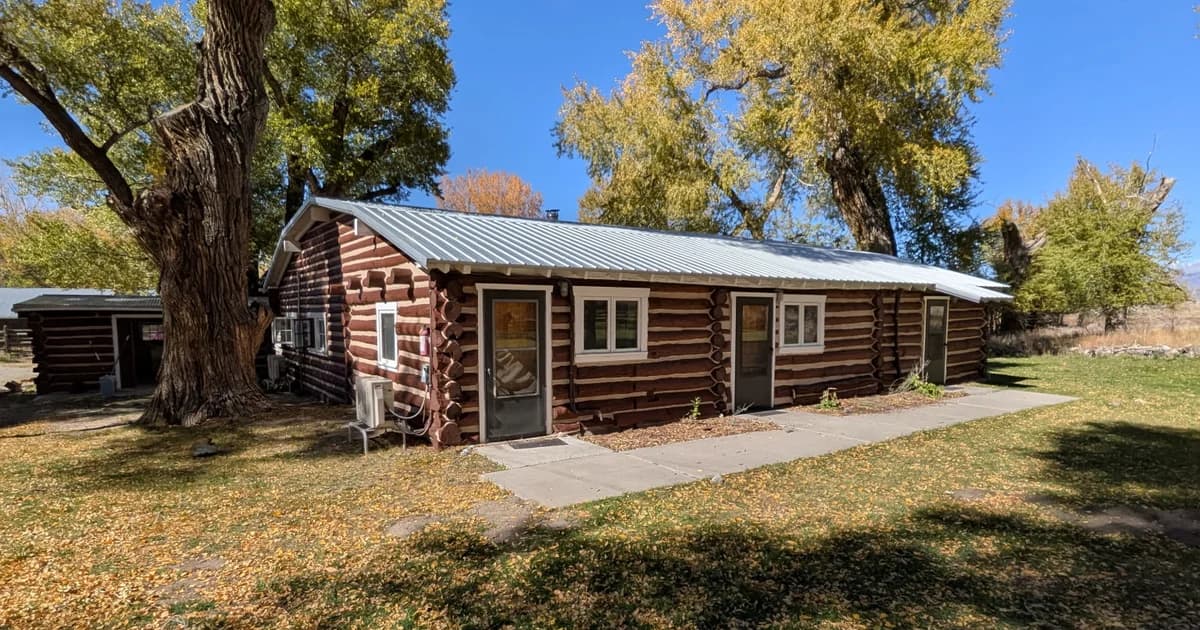
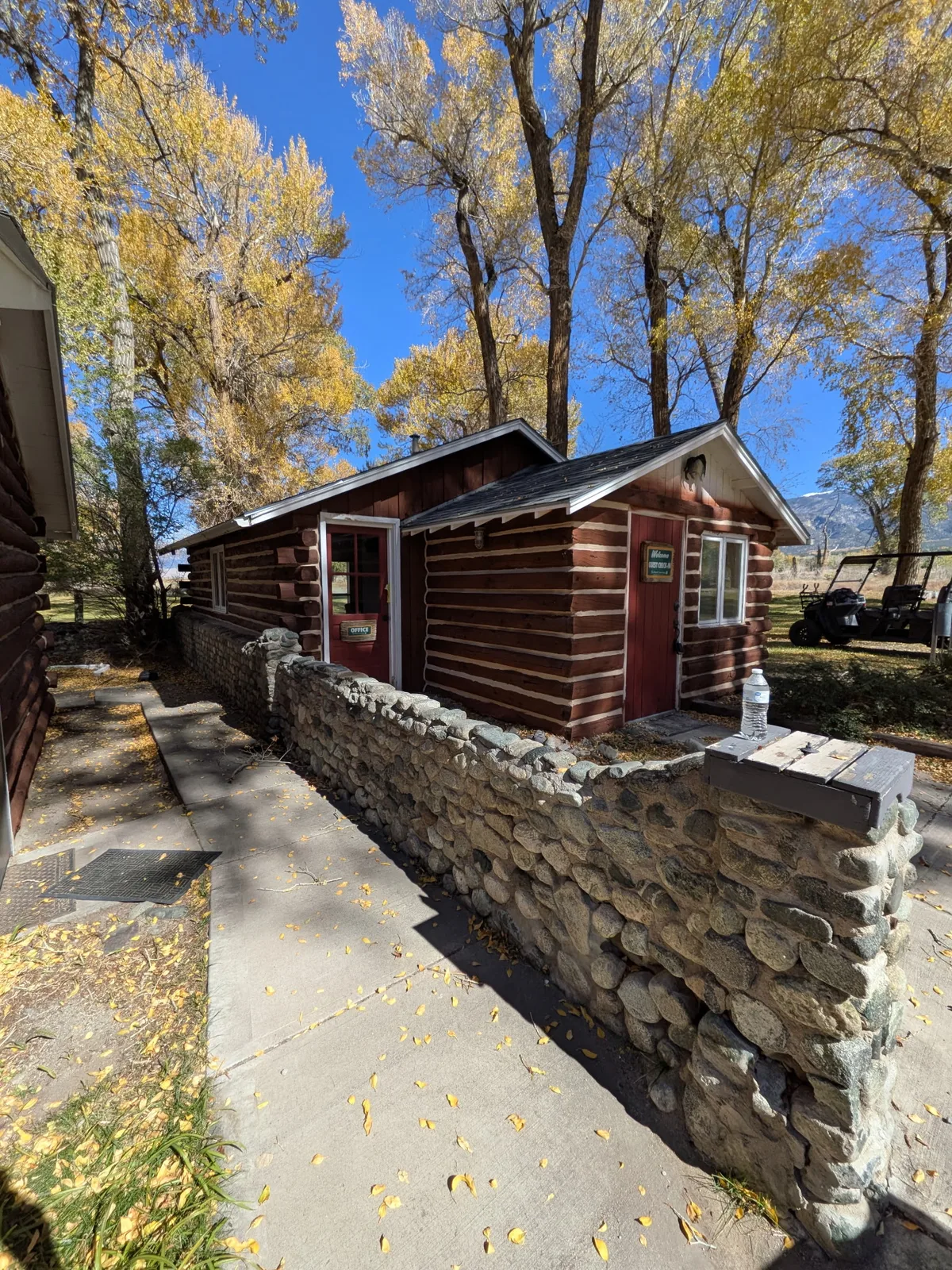
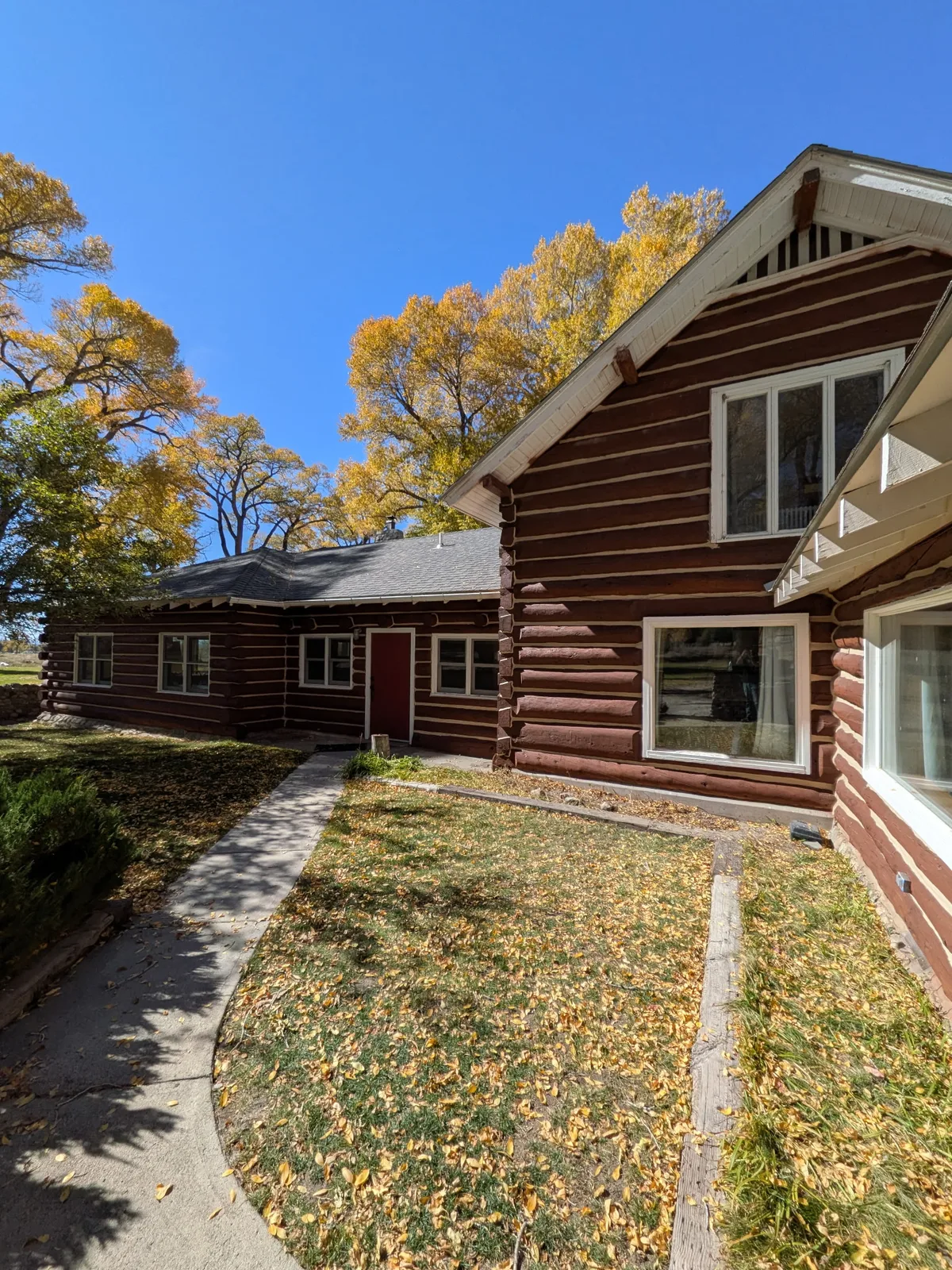
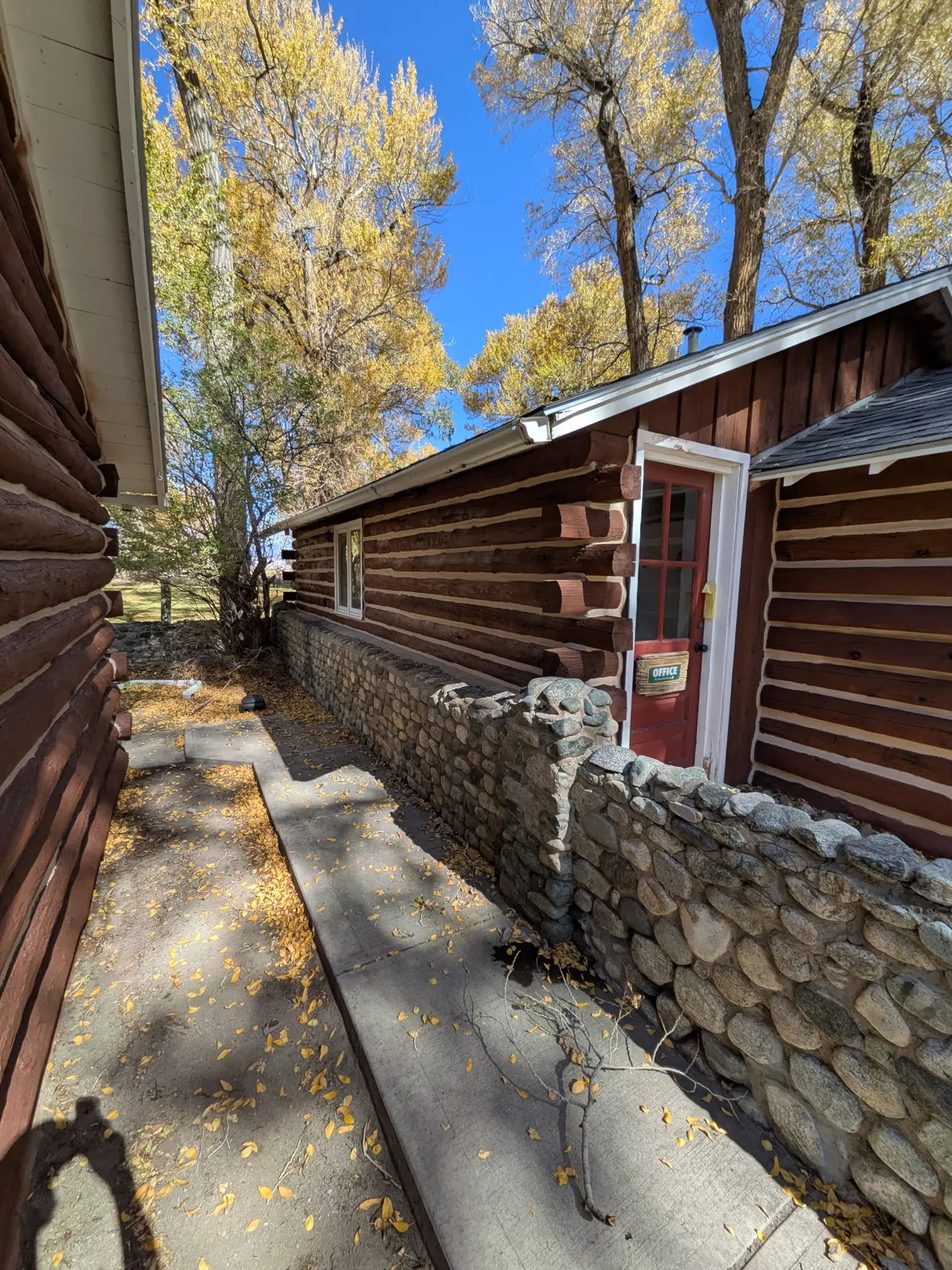
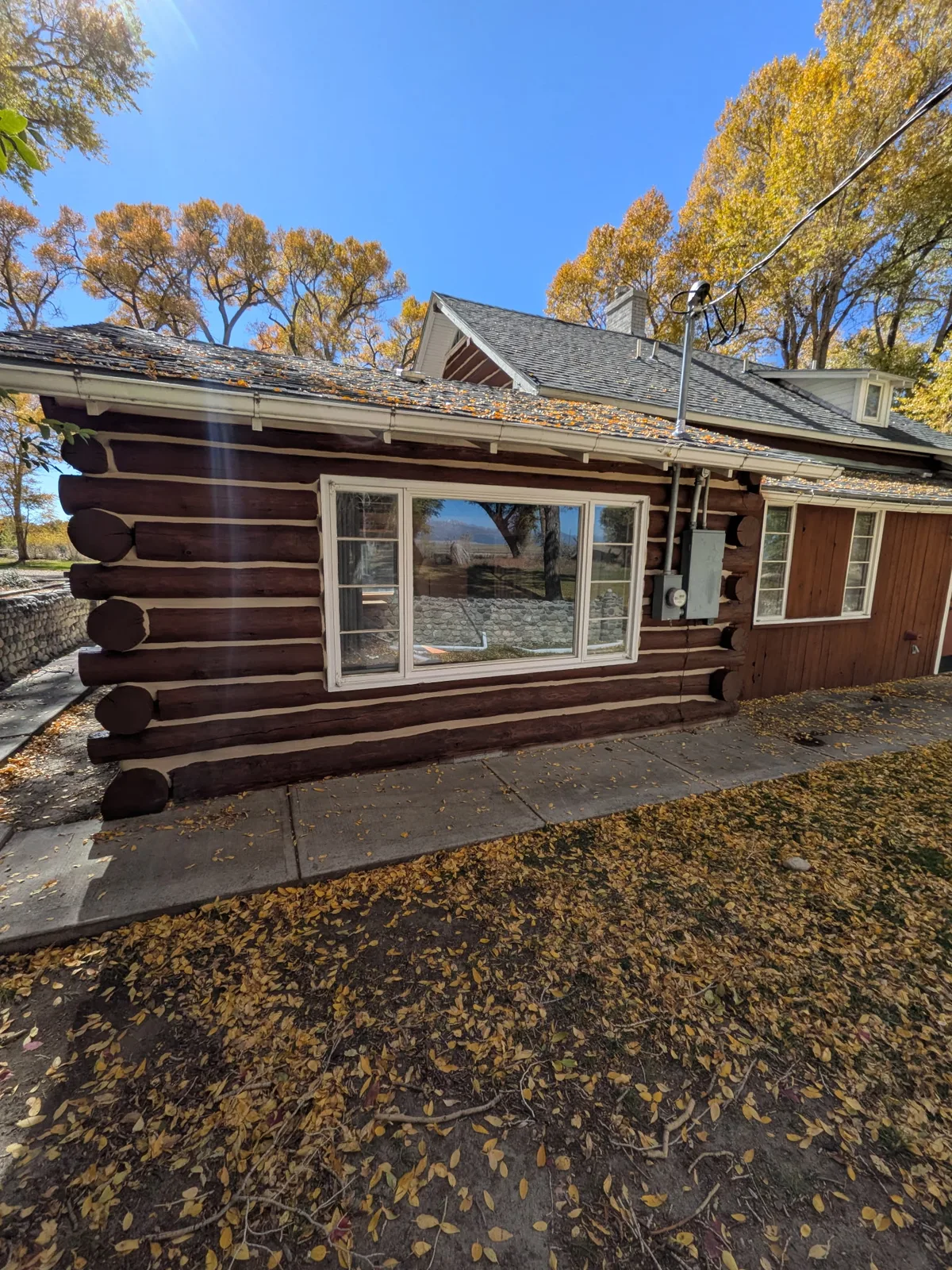
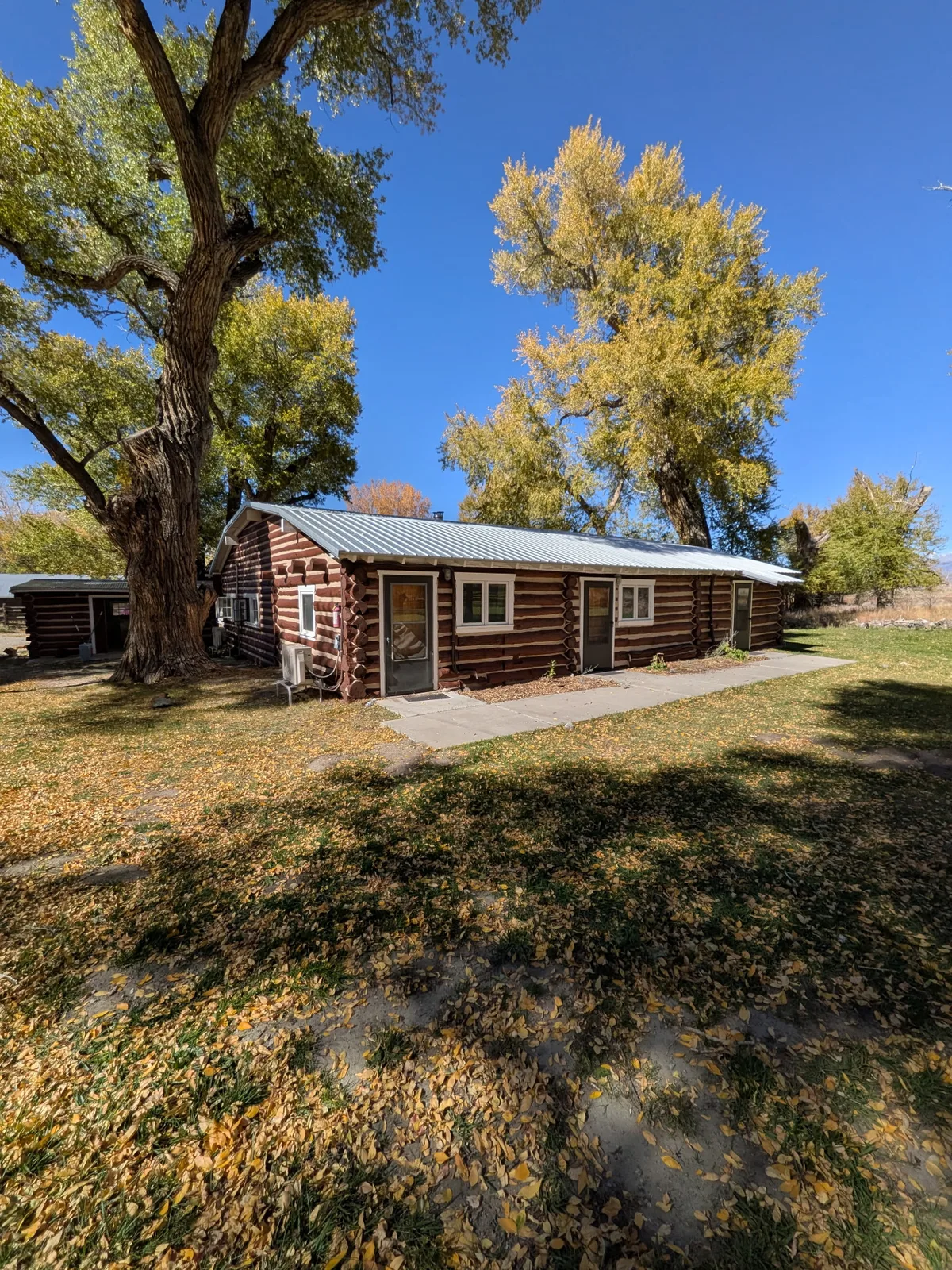
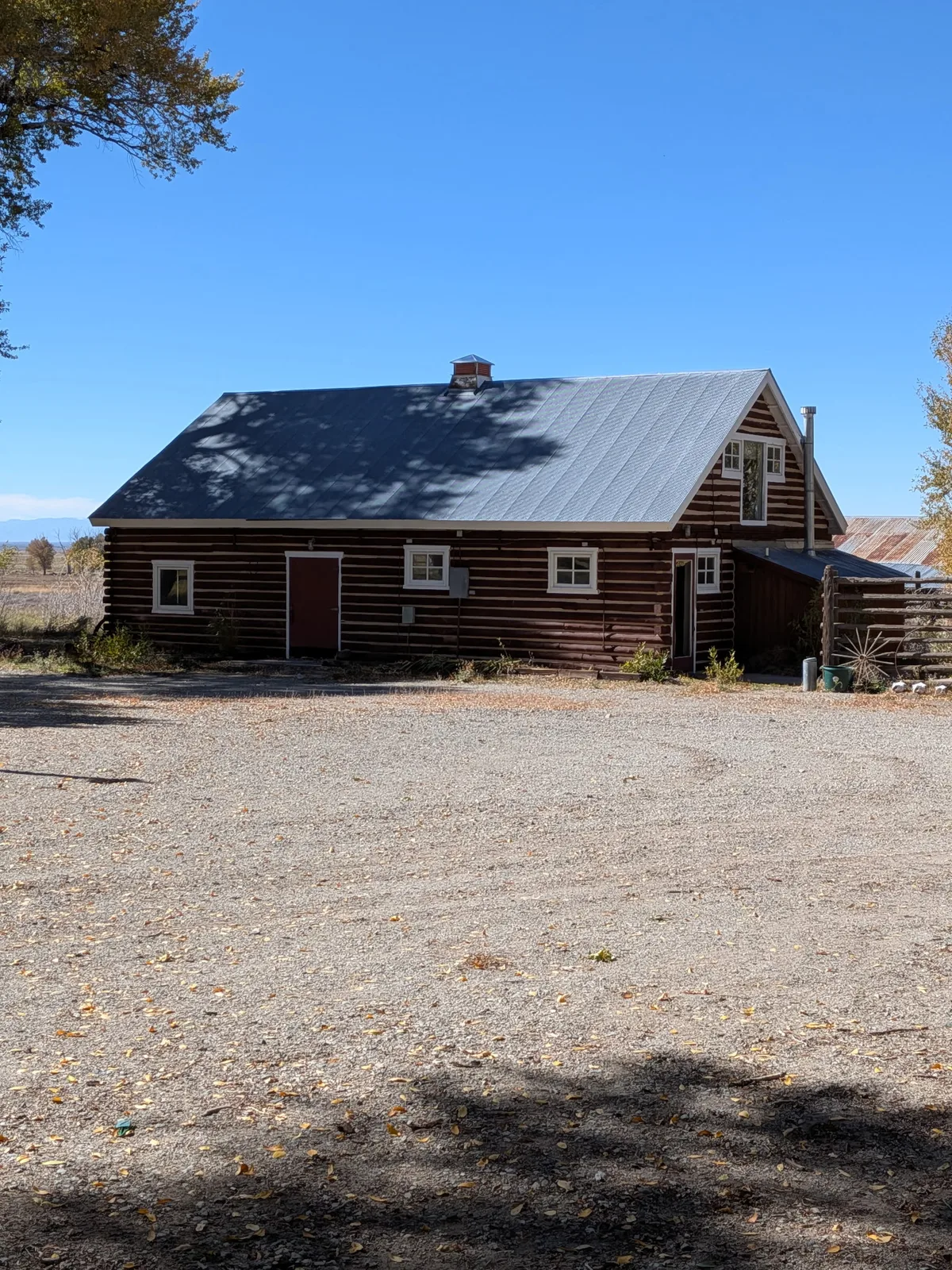
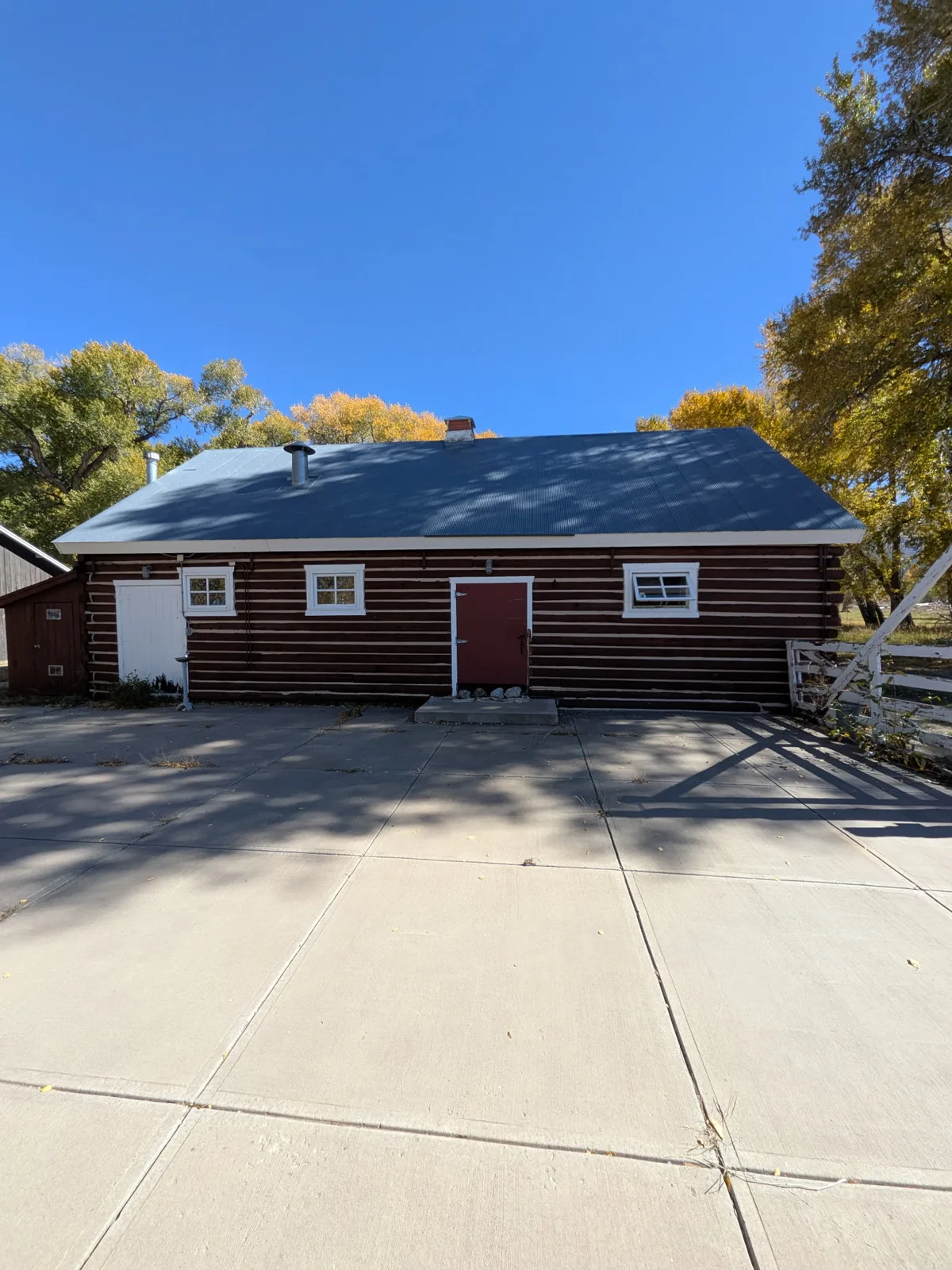
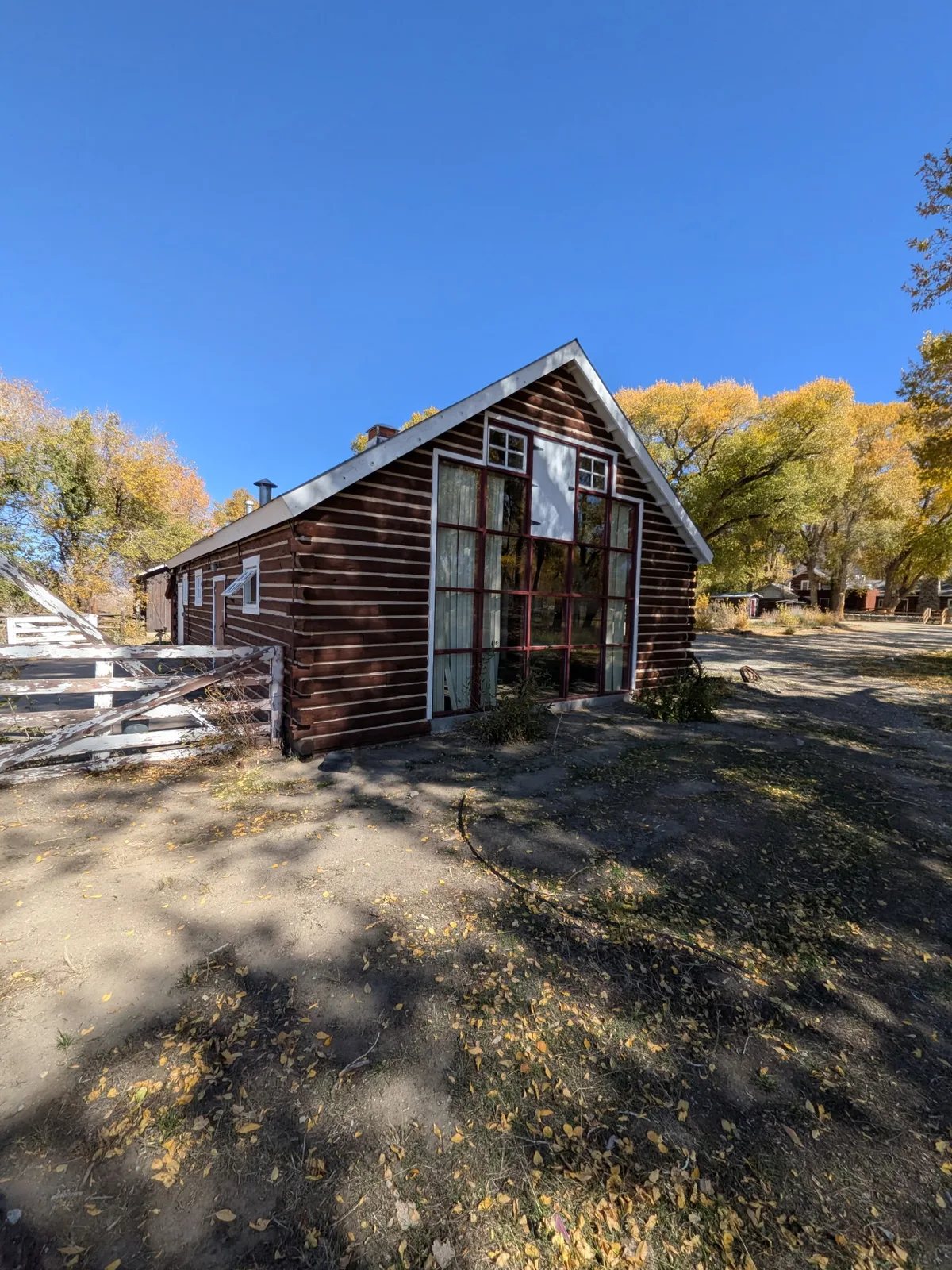
After removing the old finishes and paint, we restained the cabins using a Cabot finish in the project's custom color choice. The photographs show warm, reddish-brown log surfaces contrasted with lighter chinking and trim. Color selection is an important part of preserving the visual character of a group of log buildings while giving the restored surfaces a consistent appearance.
The specific Cabot product line and color formula are not listed here because they were not provided in the project details. We do not substitute a different brand name or claim a particular warranty. Learn more about our log home staining services and how preparation, exposure and finish selection work together.
For comparison with other systems we use, our guide to log home finishing products and Lifeline Ultra-2 product page provide additional reading. Those products are references for other options, not a claim that Lifeline Ultra-2 was used at Zapata Ranch.
Replacing failed concrete chinking with backer rod and new chinking
A major part of this project was removing all of the old failed concrete chinking. We then installed new backer rod and chinking to seal the cabins. This was joint restoration, not simply a cosmetic coating over failed material.
Log walls move as moisture and temperature conditions change. A modern chinking joint needs appropriate backing, dimensions and adhesion surfaces so the material can perform as intended. Backer rod supports the joint profile; it is a component behind the visible chinking, not a decorative line on the face of the wall. Installation should follow the selected manufacturer's requirements.
Our log home chinking service page explains the broader process. For product comparisons, see Sashco Log Jam and Perma-Chink. The chinking brand used on this project has not been specified, so these links are educational references rather than a project materials list.
Annotated Zapata Ranch project photographs
The following eight photographs were supplied for this project story. Each numbered caption identifies visible features and provides the original photo reference. They are a project gallery, not a documented before-and-after sequence; the photographs do not show the blasting operation or concealed backer rod.
What this project shows about log home restoration in Southern Colorado
For owners researching log home restoration near Alamosa or elsewhere in Southern Colorado, Zapata Ranch offers a specific example of a complete scope: removing old coatings, selecting a replacement finish and rebuilding failed joints. These are related tasks, but one does not replace another. Fresh stain alone does not repair failed concrete chinking, and new chinking alone does not prepare a deteriorating finish for recoating.
The San Luis Valley setting near Great Sand Dunes makes the location part of the story, but the right restoration plan still starts with the individual building. Exposure, existing materials, access and condition need to be assessed rather than inferred from a ZIP code or a photograph.
Explore our existing location guides for Westcliffe, Salida and Durango for other Southern Colorado service information. For a separate project example, read about our log home restoration in Nathrop.
Protecting the work with inspections and maintenance
Restoration is not a substitute for ongoing care. Regular inspections, cleaning as appropriate for the finish, attention to water exposure and timely maintenance can help keep log buildings maintained for many decades and may help avoid another extensive restoration. No fixed lifespan or restoration-free outcome is guaranteed.
Look for changes in finish condition, openings at joints and signs of moisture around windows, doors and log ends. Our Colorado log home maintenance checklist offers a starting point, and a log home inspection can help identify property-specific priorities.
Planning a cabin or log home restoration near Alamosa?
Whether you manage a group of cabins or own one log home, a clear scope is the first step. Share photographs, your location and what you know about the existing finish and chinking. Contact Log Home Finishing LLC about your Southern Colorado restoration project so we can discuss preparation, sealing and maintenance needs.
Project references and further reading
- Project facts and photographs: Supplied by Log Home Finishing LLC for this Zapata Ranch case study. Photo references 3734–3737 and 3745–3748 correspond to the gallery captions.
- The Nature Conservancy — official organization website; linked for client context, not as a testimonial or endorsement.
- Great Sand Dunes National Park and Preserve — official National Park Service information about the nearby park. This article describes a ranch project near the park, not work performed for the National Park Service.