Log Home Maintenance Schedule: A Year-Round Colorado Checklist
The problem this guide helps you solve
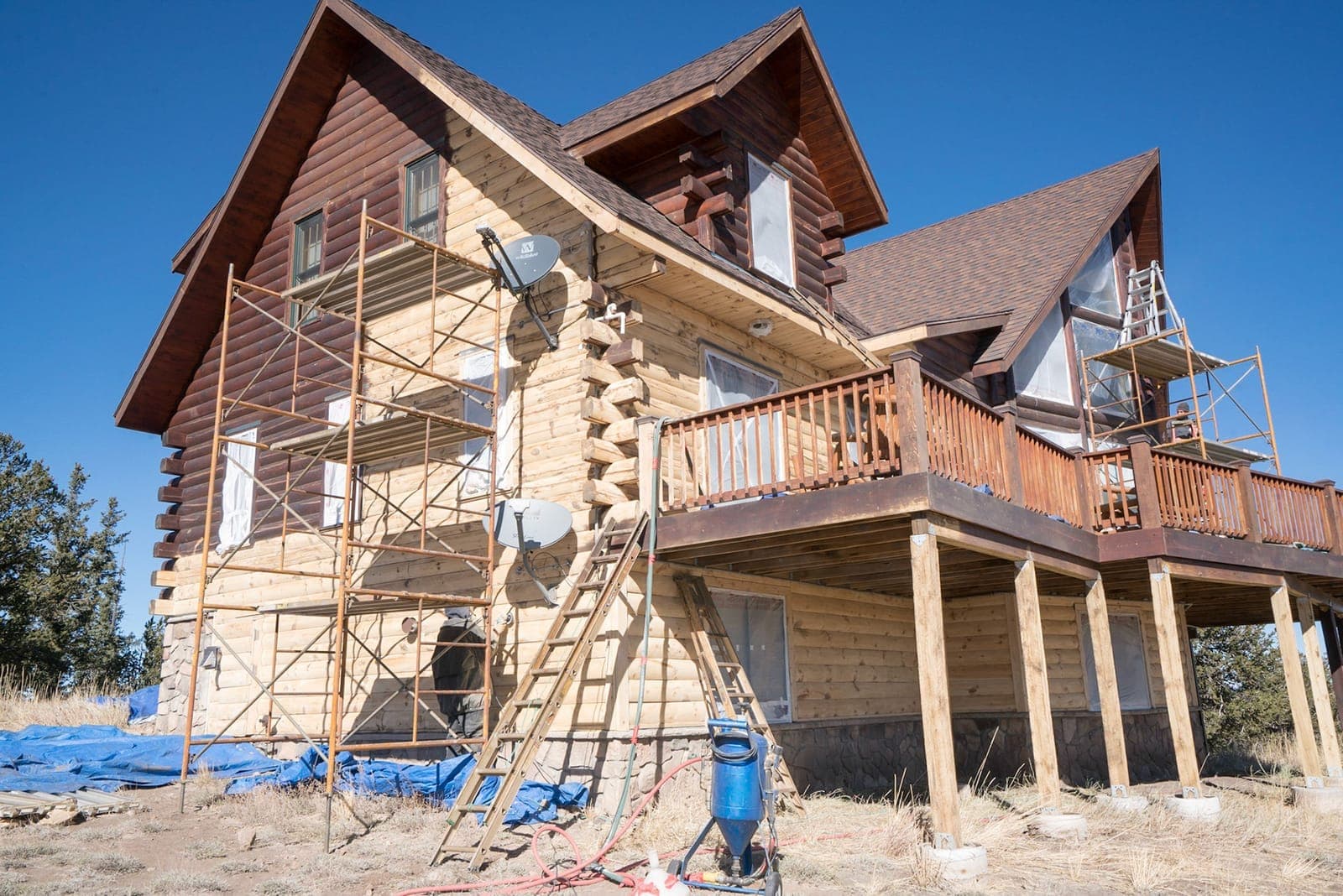
A calendar helps owners remember checks, but different walls can weather at different rates because of shade, sun, runoff and snow contact.
What to understand before taking action
Turn seasonal observations into a usable record of finish wear, open joints and drainage problems so small issues can be addressed before the scope grows.
What this means for your home: Inspect after winter and before cold weather, then choose cleaning or recoating based on condition and product instructions. Maintenance can support many decades of use; it cannot guarantee that restoration will never be needed.
Log Home Maintenance Schedule: A Year-Round Checklist for Colorado Owners
A log home in Colorado lives a hard life. Intense high-altitude sun, blowing snow, summer hail, and dramatic freeze-thaw swings all work against your logs and their finish. The single best thing you can do to protect your investment is to stay ahead of problems with a simple, consistent maintenance routine. This guide breaks the year into manageable seasonal tasks and adds a multi-year cadence for the bigger jobs like washing, staining, and chinking.
Spring: Inspect and Assess
Spring is the most important time of year for log home care because it shows you everything winter did to your home. Once the snow clears and temperatures rise, walk the entire exterior and look closely.
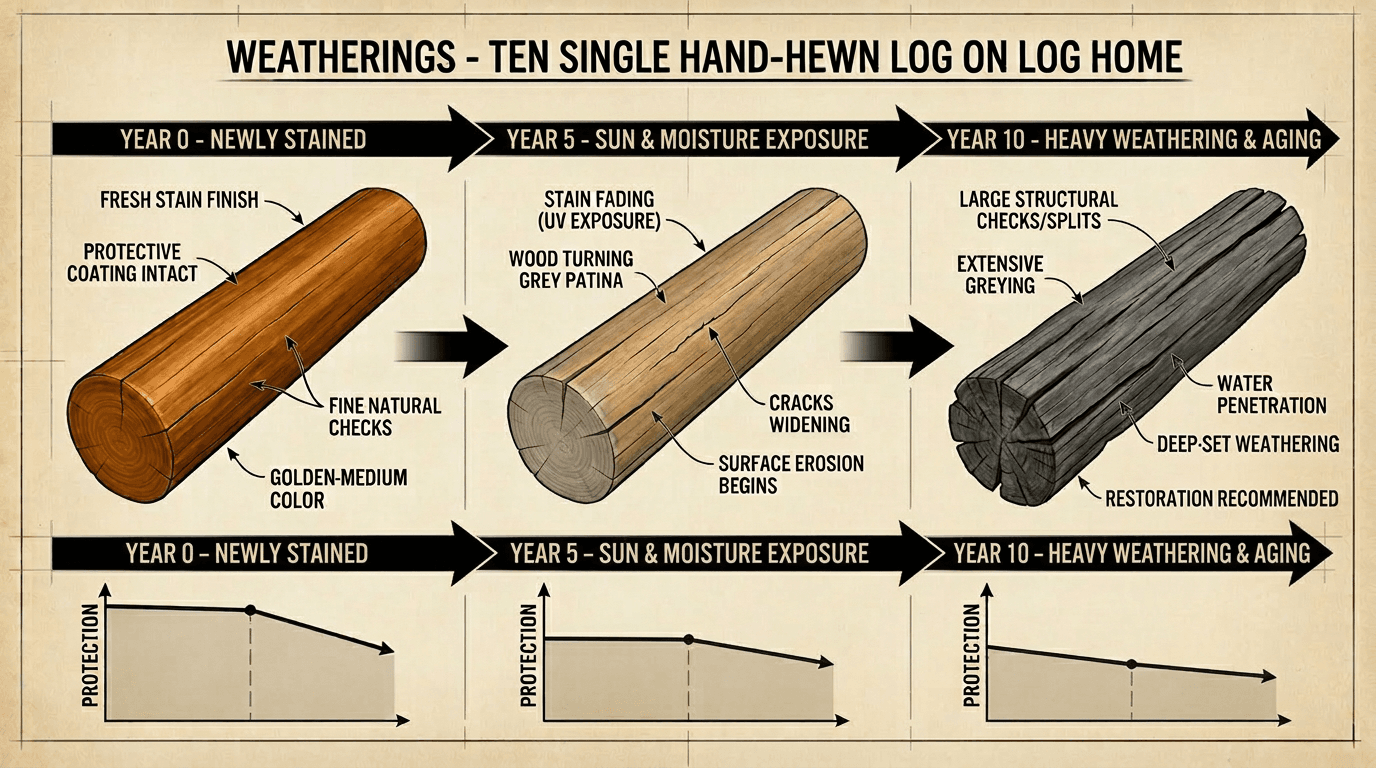
- Check the south- and west-facing walls for sun fading and graying.
- Spray the walls with a hose and watch whether water beads or soaks in.
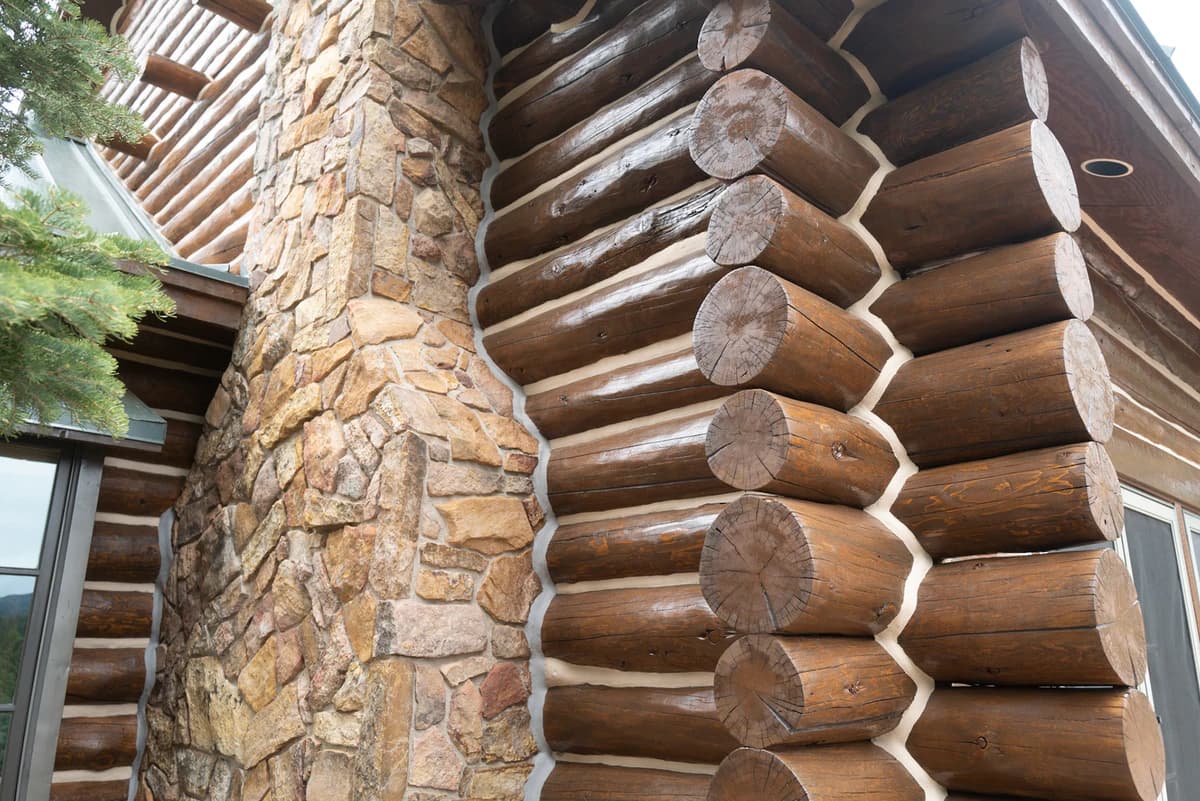
- Inspect chinking and caulk lines for cracks, gaps, or pulling away from the logs.
- Look for dark spots, mildew, or insect activity, especially on shaded north walls.
- Probe any soft or discolored wood near ground level, corners, and under windows.
If you find more than minor wear, this is the time to schedule repairs before the busy summer season. A professional log home inspection can confirm moisture levels and finish condition so you fix what actually needs fixing.
A few simple checks tell you most of what you need to know. Keep a small notebook or use your phone to record problem spots and date them, so you can track whether an area is stable or getting worse from one season to the next. That running record becomes invaluable when you are deciding between a quick touch-up and a full recoat, and it helps any contractor you hire understand the home's history at a glance instead of starting from scratch.
Summer: Wash and Touch Up
Warm, dry summer weather is ideal for cleaning and small repairs. A gentle wash removes the pollen, dust, and surface mildew that build up over the year and shorten the life of your finish. Avoid high-pressure washing, which can drive water into the wood and damage the surface; a soft wash with the right cleaner is far safer.
Summer is also the season for spot work. Touch up small areas of worn stain, reseal open checks on the tops of logs where water collects, and patch isolated chinking cracks before they grow. Handling these little jobs in summer keeps them from becoming big projects later.
Fall: Seal Before Winter
Fall is your last chance to button up the home before the snow flies, and it is the best window for any sealing work. Cooler-but-mild days are perfect for applying stain or fresh chinking, as long as you finish before nighttime temperatures drop too low for proper curing.
- Apply maintenance coats of stain to high-exposure walls if they are due.
- Repair or replace failed chinking so wind and snowmelt cannot get behind it.
- Clean gutters and make sure downspouts carry water well away from the logs.
- Trim back vegetation touching the walls to improve airflow and reduce moisture.
Winter: Monitor and Protect
Winter is mostly a watching season, but it still matters. After heavy storms, check that snow is not drifting up against the logs and that ice dams are not forcing water under trim or into checks. Keep an eye on interior corners and window frames for any signs of leaks or condensation. Note any problem spots now so you can address them first thing in spring.
Seasonal Checklist at a Glance
| Season | Primary Focus | Key Tasks |
|---|---|---|
| Spring | Inspect | Full walkaround, water-bead test, check chinking, look for mildew and rot |
| Summer | Wash & touch up | Soft wash, spot-stain worn areas, seal open checks, patch chinking |
| Fall | Seal | Maintenance stain coats, chinking repair, gutters, trim vegetation |
| Winter | Monitor | Watch snow load, ice dams, leaks, and condensation; note spring repairs |
The Multi-Year Cadence
Seasonal tasks keep your home healthy, but the bigger protective jobs run on longer cycles. Colorado's climate tends to push these intervals shorter than the national averages, particularly on sunny exposures. Use the table below as a planning guide and let your spring inspections fine-tune the timing.
| Task | Typical Colorado Cadence | Notes |
|---|---|---|
| Gentle wash | Once or twice a year | Removes mildew, dirt, and pollen that degrade the finish |
| Maintenance stain coat | Every 2-4 years (sunny walls) | South and west walls need it most often |
| Full restaining | Every 5-7 years | Depends on exposure and prior finish quality |
| Chinking inspection & repair | Yearly check, repair as needed | Flex joints move with the logs and can crack over time |
| Deck refinishing | Every 2-3 years | Horizontal surfaces wear far faster than walls |
Why Staying on Schedule Pays Off
Maintenance always costs less than restoration. A timely wash and recoat is a fraction of the price of stripping failed finish, repairing water-damaged logs, and starting over. Following a steady schedule also keeps your home looking its best and protects its resale value. For a deeper walkthrough of products, techniques, and timing, see our log home maintenance guide.
Let Us Help You Stay Ahead of It
If you would rather not climb ladders or guess at what your logs need, we can handle it for you. Log Home Finishing LLC builds maintenance plans around Colorado's seasons so your home gets the right care at the right time. Call us at 970-368-2308 or reach out for a free estimate, and we will help you keep your log home protected all year long.
Sources and practical next steps
The references below support the guidance in this article; they do not independently verify project results or endorse our company.
- USDA Forest Products Laboratory: Protecting Log Homes from Decay and Insects (PDF) — Explains moisture pathways, decay, construction details and maintenance of existing log homes. It does not establish a fixed lifespan or a property-value return.
- Perma-Chink Systems: Lifeline Ultra-2 — Manufacturer information for the Ultra-2 stain and Lifeline Advance topcoat system. Any limited manufacturer warranty is subject to its terms, not a maintenance-free service-life promise.
Colorado log home maintenance. For property-specific guidance, send our team your location, photographs and what you know about previous coatings or repairs.
Turn the seasonal checklist into a wall-by-wall maintenance record
Different elevations of the same home rarely weather identically. Keep a simple record for each wall: direction, dated photograph, finish condition, open joints, water-entry clues and the work recommended. Repeat photographs from similar viewpoints so a changing patch can be distinguished from a change in lighting.
- Monitor: sound coating and intact joints with no new moisture concerns; document and continue inspections.
- Plan maintenance: localized wear with a sound, compatible finish; confirm cleaning and recoating requirements.
- Investigate promptly: recurrent wetting, joint separation, soft wood or widespread coating failure; find the cause before applying another coat.
Intervals in a maintenance table are planning examples, not a guarantee or a reason to recoat sound wood unnecessarily. Product instructions, exposure and observed condition should control the work. A deck's horizontal surface should not automatically follow the same recoating schedule as a sheltered log wall.
Keep invoices, product names, colors and preparation notes with the record. They make the next compatibility decision easier. See how to assess restaining signs and our maintenance guide. The USDA guidance on protecting log homes explains why controlling moisture is central to preventing decay.