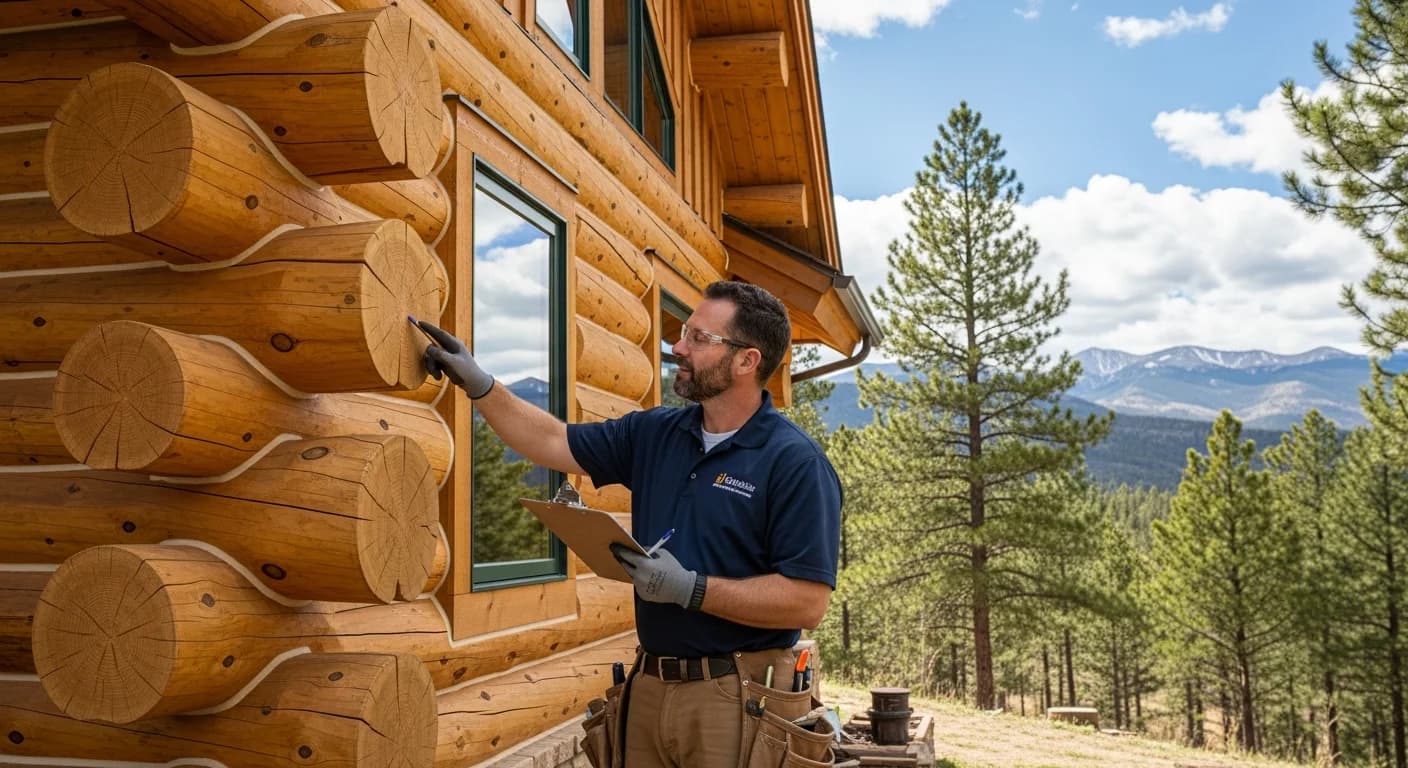
Inspecting a Colorado log home before purchase
For Log Home Buyers

Know Exactly What You Are Buying — Before You Close

A log home can look flawless and still hide tens of thousands of dollars in deferred work. A pre-purchase inspection by Thomas Elliott reveals the true condition while you still have leverage.

LicensedInsuredSashco CertifiedPerma-Chink Certified

The risk is the work you cannot see

The biggest danger in buying a log home is not the obvious fixer-upper — it is the one that looks fully restored. A fresh coat of stain can sit right over soft, decaying logs. A clean-looking wall can hide joints that were never properly chinked. By the time those problems surface, you own them.

A standard home inspector does an important job on the electrical, plumbing, HVAC, roof, and foundation. But most have no training in the things that make a log home a log home: chinking condition, stain life, log rot, insect activity, and the quality of past log work. Those are exactly the items that cost the most to put right.

A pre-purchase log home inspection fills that gap. You get an expert read on the log envelope, photographs of every concern, and itemized cost ranges you can take straight into your negotiation or your budget.

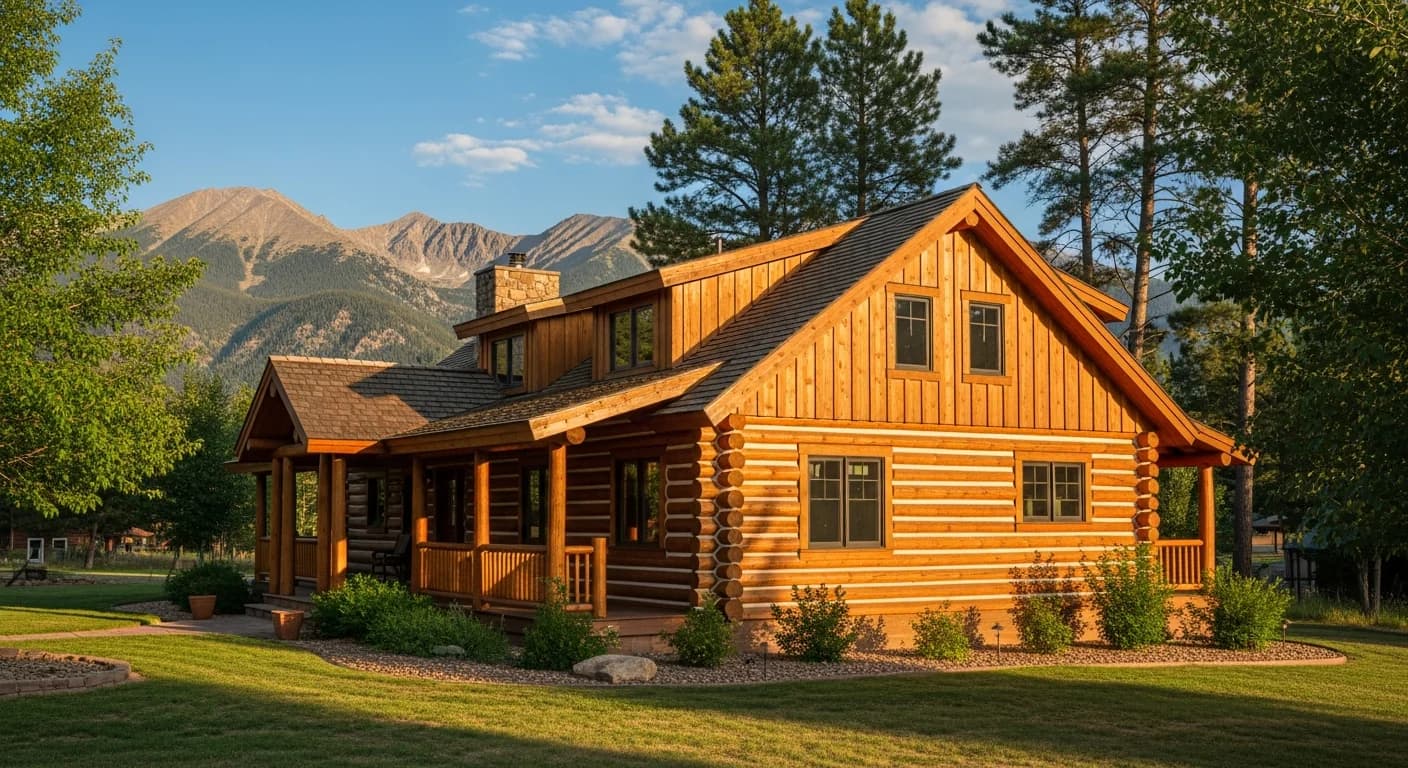
Colorado log home condition assessment

What we check before you buy

The defects that quietly drain a budget after closing — found before the ink is dry.

Hidden Rot at Ends & Sills

Log ends and lower courses are where decay hides. We probe suspect wood and read the early signs — darkening, softness, and moisture staining — that a quick walkthrough misses entirely.

Never-Chinked or Failing Joints

Some homes were built wood-to-wood and never properly sealed; others have chinking that has cracked and pulled away. Both let water and air in. We map which joints need work and what that means in dollars.

Finish Failure & Incompatibility

A stain applied over an incompatible coating can peel and fail in a season. We assess whether the finish is sound or whether a full strip-and-refinish is coming — a major cost difference.

Cosmetic Patches Masking Decay

Concrete fills, half-log facing, and quick patch jobs can hide the real condition underneath. We have seen the tricks and look behind the cosmetics for what they are covering.

Decks, Railings & Structure

Decks, posts, and railings are common decay points and safety items. We evaluate connections, finish, and structural soundness on the outdoor living areas.

True Cost of Ownership

Beyond immediate repairs, we project the ongoing maintenance cadence so you can budget for the real cost of owning a log home, not just the purchase price.

20+
Years of hands-on log home experience
500+
Colorado log homes restored
4.5★
56 verified Google reviews
Licensed
Fully insured per Colorado law

Red flags worth noticing on the walk-up

Before any tools come out, the home tells you a lot. A silver-gray or chalky finish on the south and west walls means the protection is gone there. Black or darkened log ends signal moisture absorption. Visible gaps in chinking, or no chinking at all on a stacked-log wall, mean water and air are getting in. Snow lines and grade contact on the bottom logs are classic rot zones.

These signs do not necessarily kill a deal — many are fixable. But they change the number. Knowing them before you write or finalize an offer is the entire point.

Why a standard inspection is not enough for a log home

A general inspector follows the systems of a conventional house. The log walls, however, are the structure, the insulation, and the weather barrier all at once — and they fail in ways drywall never does. Evaluating them requires knowing how stain ages at altitude, how end grain absorbs water, how chinking should behave, and what previous repairs were really hiding.

Because Thomas Elliott has spent 20+ years restoring Colorado log homes, he reads these signals the way a mechanic reads an engine. That specialized eye routinely finds $10,000–$50,000+ in needed work that a general inspection would never flag.

Turning the report into negotiating power

A vague concern — "the logs look like they need work" — is easy for a seller to dismiss. An itemized report with photos and real cost ranges is not. When you can show that chinking repair will run a specific amount, that stain failure means a media-blast-and-refinish at a known per-square-foot rate, or that two rotted logs need replacement, you have concrete grounds for a price adjustment or a repair credit.

Buyers regularly recover far more than the cost of the inspection in a single negotiation — and just as importantly, they avoid the nasty surprise of discovering the work after they own it.

Budgeting for the real cost of a log home

Even a sound log home is an ongoing commitment. Plan for cleaning and re-staining at roughly $8–12 per square foot every few years, periodic chinking touch-ups, and attention to the elevations that take the most sun and snow. If the home needs catch-up work now, expect repair items to range widely — chinking from a few thousand to $30,000+, staining from $8,000–$25,000, media blasting $5,000–$15,000, and $500–$5,000+ per log for any replacements.

Our report lays out both the immediate items and the long-term cadence so there are no surprises after you get the keys.

Buyer inspection questions

What buyers ask most before commissioning a pre-purchase inspection.

Does a log home inspection replace a standard home inspection?

No — they complement each other. Keep your general inspector for electrical, plumbing, HVAC, roof, and foundation. Add a specialized log home inspection for the chinking, stain, log condition, rot, and insect activity that general inspectors are not trained to evaluate. Together they give you the complete picture before closing.

What should I look for when buying a log home?

Focus on the things that cost the most to fix: chinking condition, stain life and adhesion, rot at log ends and lower courses, insect damage, and the quality of any past repairs. Beautiful curb appeal can hide serious deferred maintenance. A specialized inspection evaluates all of these and puts real numbers on what they will cost.

Can I use the inspection to negotiate the price?

Absolutely — that is one of its biggest benefits. An itemized report with photos and realistic cost ranges gives you concrete grounds to request a price reduction or repair credit. Many buyers recover far more than the inspection cost in a single negotiation.

How much should I budget for a log home after buying?

Plan on routine maintenance of about $8–12 per square foot every few years for cleaning and re-staining, plus periodic chinking work. If the home has been neglected, catch-up restoration can run $18–20+ per square foot, with rotted logs costing $500–$5,000+ each to replace. The inspection projects both the immediate and ongoing costs.

The home looks fully restored — do I still need an inspection?

Especially then. Fresh stain can be applied directly over soft or decaying logs, and a clean surface can hide joints that were never properly sealed or repairs that only cover the problem. A specialized inspection looks past the cosmetics to confirm the work was done right.

How long does a pre-purchase inspection take and what do I get?

Most inspections are completed in a single visit. You receive a written report with photographs of every area of concern, severity ratings, and itemized cost ranges for recommended work — documentation you can share with your agent, lender, or insurer and use to make an informed decision.

Inspect before you commit

Schedule a pre-purchase inspection and close on your log home knowing exactly what you are getting — and what it will cost to keep it.

Thomas Elliott · Serving log home communities across Colorado