Add-on & specialty inspection questions
How a log-specific inspection works alongside the rest of your due diligence.
What is an add-on log home inspection?
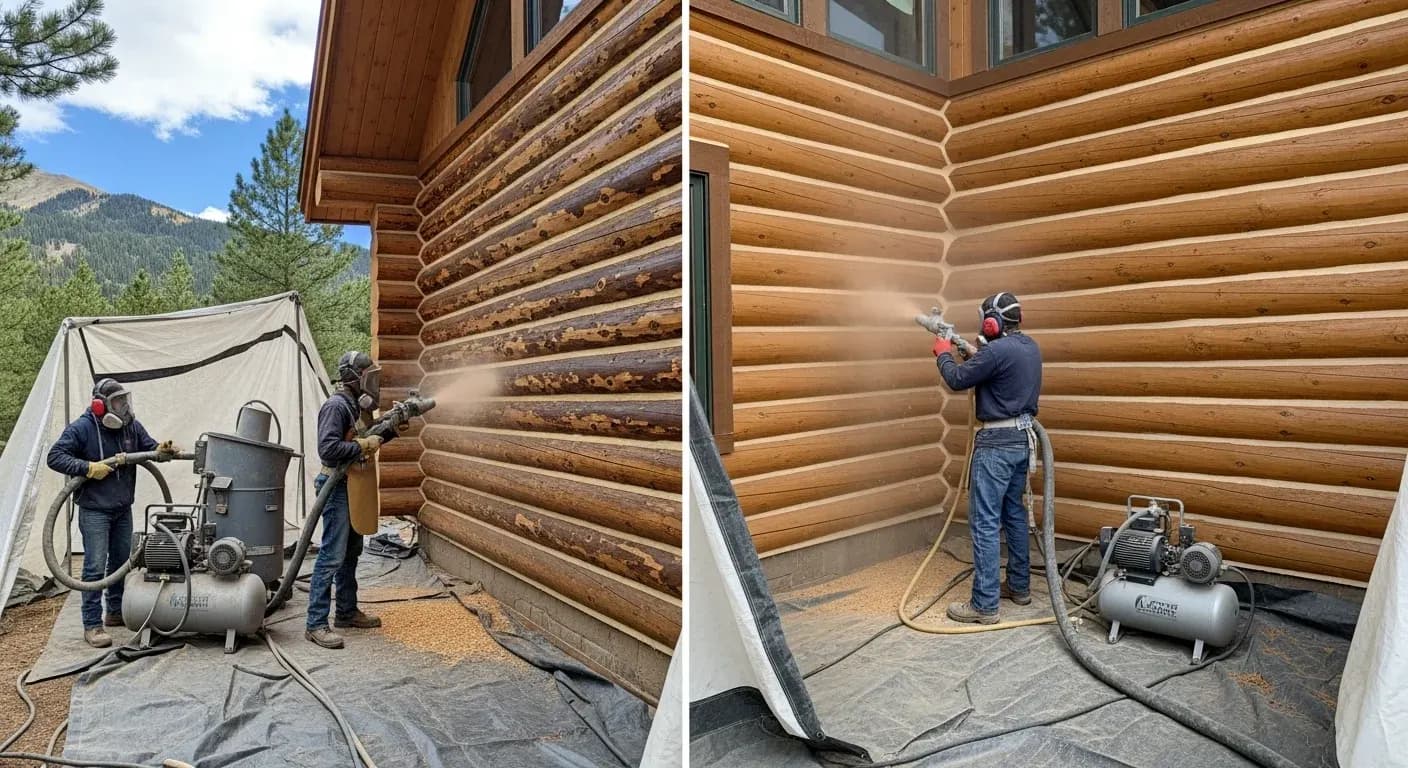
It is a specialized inspection focused entirely on the log envelope — structural integrity of the logs, chinking and sealant systems, stain and finish condition, energy efficiency, and the quality of past work. It is designed to run alongside a general home inspection so the part of the home a conventional inspector cannot evaluate is still fully covered.
Does it replace a standard home inspection?
No — it complements one. Keep your general inspector for electrical, plumbing, HVAC, roof, and foundation. Add a log-specific inspection for the chinking, stain, log condition, rot, insect activity, and air sealing that general inspectors are not trained to assess. Together they give you the complete picture.
What is the difference between a cosmetic and a structural log inspection?
A cosmetic inspection looks at how the home presents and how the finish is holding up — fade, graying, and tired chinking. A structural inspection looks at whether the logs are sound, whether moisture has reached the wood, and whether anything load-bearing is at risk. We evaluate both in the same visit and tell you where the home sits on that line.
How do you check the structural integrity of the logs?
We probe suspect wood for softness, read the load-bearing courses, and concentrate on the places structural rot starts — log ends, sill logs, corners, and bearing points where water and snow collect. End grain wicks moisture far faster than the face of a log, so darkening or soft ends are an early structural warning we never ignore.
Can you tell me what previous owners or contractors did, and what they missed?
Yes — auditing past work is a core part of the inspection. We identify previous stains, chinking, and repairs, and judge whether they were done correctly or shortcut. Stain applied over decay, concrete fills, half-log facing, and never-chinked walls are common shortcuts we know to look behind.
Do you inspect energy efficiency and drafts?
We do. Logs hold heat well only when the envelope is tight, so we trace drafts, open checks, gaps at log ends, and failed chinking that leak conditioned air. We then point to the sealing work that will actually improve comfort and lower heating costs through a Colorado winter.
Will you tell me whether to restore or just maintain?
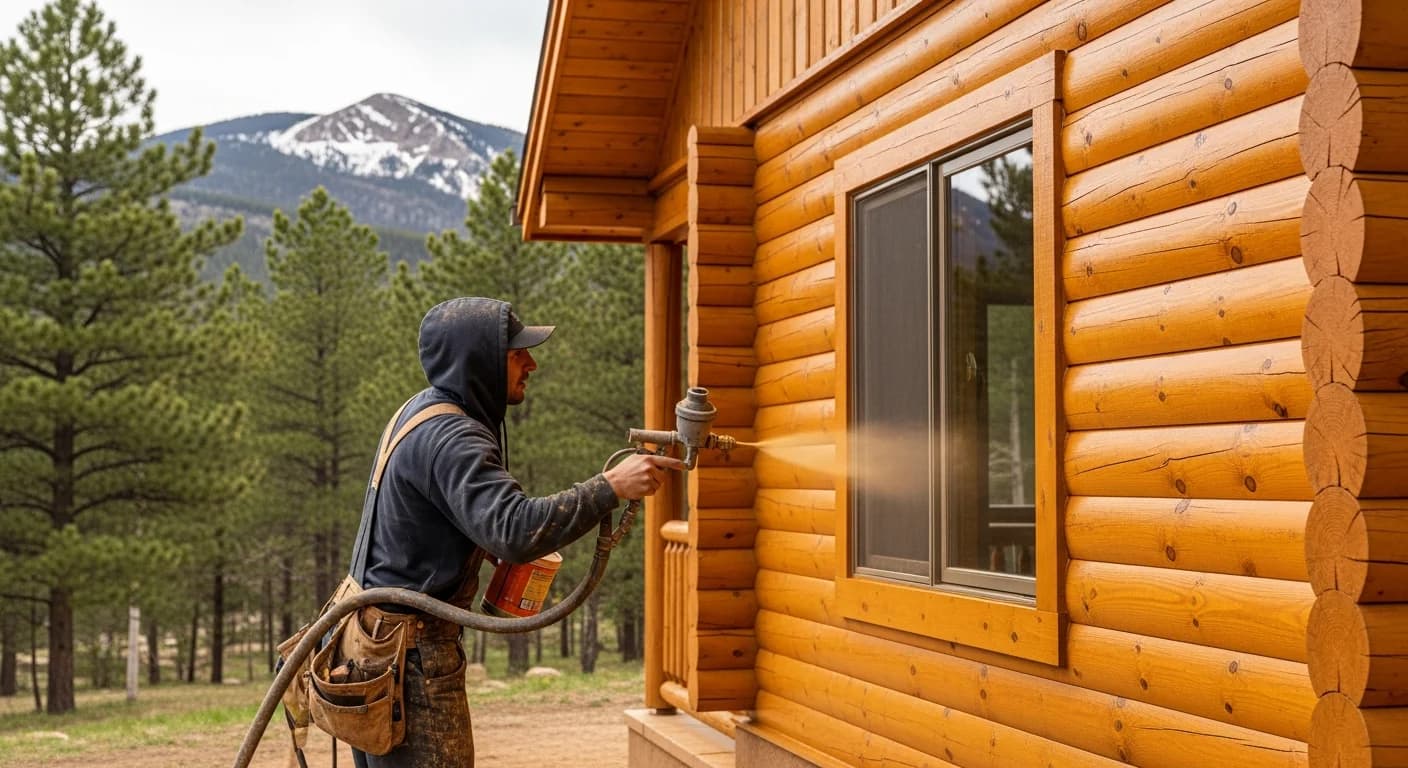
That is the headline of every report. Maintenance — cleaning, re-staining, and chinking touch-ups — runs about $8–12 per square foot per cycle. Full restoration runs $18–20+ per square foot, plus $500–$5,000+ per log for any replacements. We tell you which side of that line your home is on and exactly what it takes to keep it on the affordable side.