Professional Log Cabin Chinking: Sealing Gaps Between Logs for Weather Protection
The Difference Between Chinking and Caulking a Log Cabin: An In-Depth Guide
Log cabins exude a rustic charm and timeless appeal. However, maintaining a log cabin requires knowledge of proper techniques to ensure its durability and efficiency. Among the critical tasks in log cabin maintenance are chinking and caulking. Although these terms are often used interchangeably, they have distinct differences in materials, application methods, and purposes. This article delves into the differences between chinking and caulking, helping you choose the right approach for your log cabin.
What is Chinking?
Chinking is the process of sealing gaps or spaces between logs in a cabin. These gaps, known as log joints, are inevitable due to the natural curvature and irregularity of logs. Historically, pioneers used a mixture of mud, clay, and straw as chinking material. Modern chinking, however, consists of synthetic materials, such as acrylic-based compounds, which are more durable and flexible.
Key Features of Chinking:
- Purpose: Seals gaps between logs to prevent drafts, moisture, pests, and air leakage.
- Appearance: Visible as a thick, textured line between logs, giving a traditional look.
- Material: Acrylic-based chinking is elastic, accommodating the natural movement of logs over time.
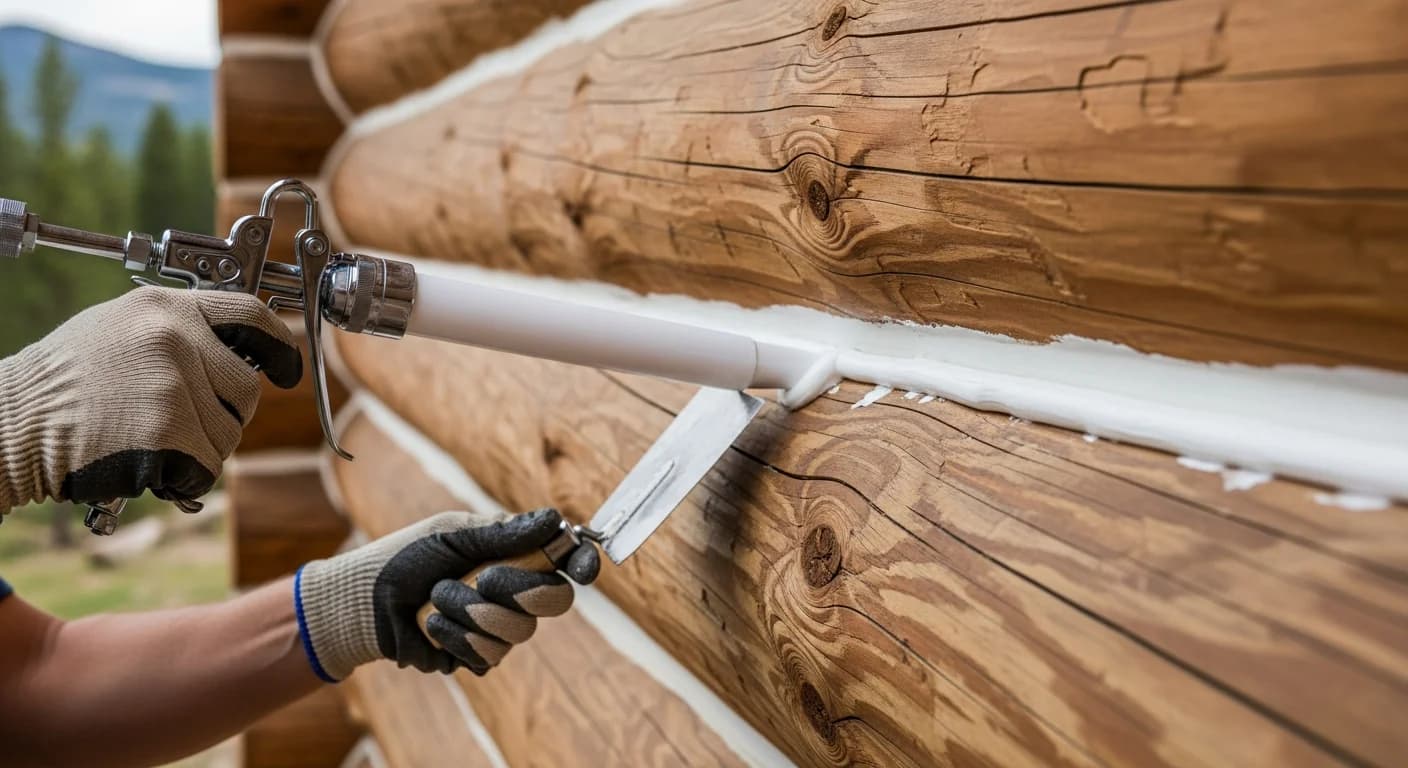
- Application: Requires a chinking gun or trowel for application. It is then smoothed and left to cure.
- Aesthetic Contribution: Provides an old-world charm and enhances the rustic appeal of the cabin.
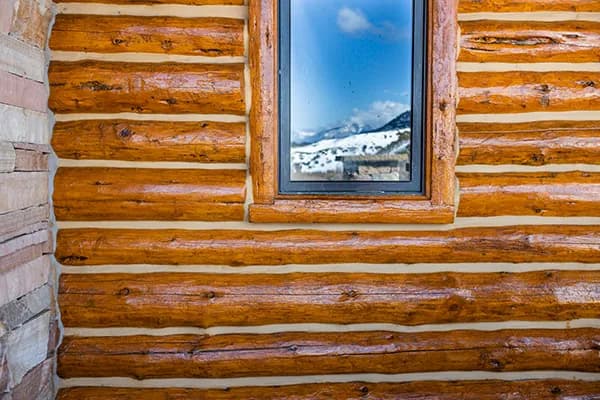
Chinking Example
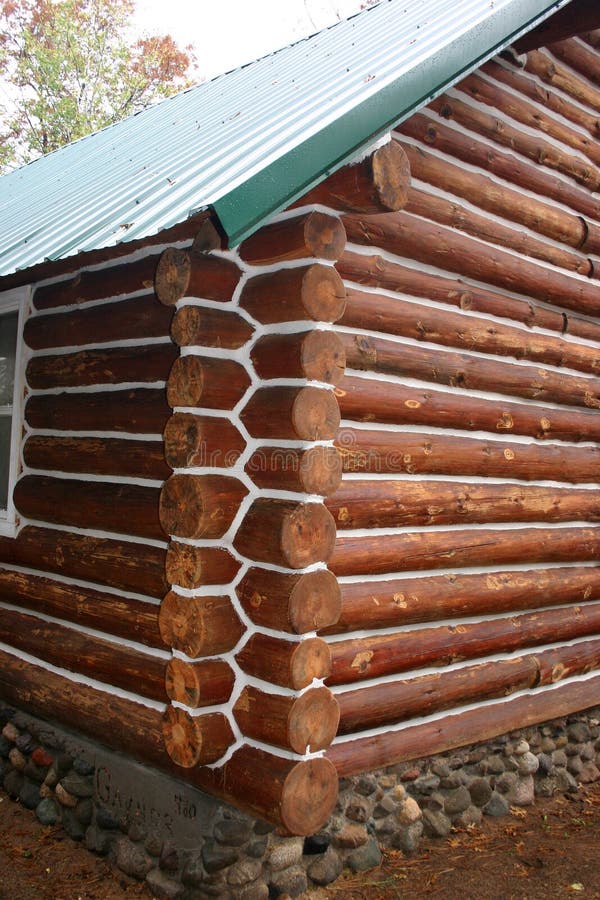
This image illustrates the visible, textured appearance of chinking that contributes to the cabin’s rustic appeal.
Source: Dreamstime
What is Caulking?
Caulking, on the other hand, is a more modern solution that involves sealing small cracks and gaps in a log cabin. While caulking can be used on log cabins, it is typically applied to smaller gaps and spaces that do not require a thick sealant.
Key Features of Caulking:
- Purpose: Used for smaller cracks or as a preventive measure to keep water, air, and pests out.
- Appearance: Smoother and less textured than chinking, often blending seamlessly with the logs.
- Material: Silicone, polyurethane, or latex-based caulks are commonly used, offering flexibility and durability.
- Application: Applied with a caulking gun and smoothed for a clean finish.
- Aesthetic Contribution: Maintains a sleeker, more modern look without the prominent texture of chinking.
Comparison of Chinking and Caulking
| Feature | Chinking | Caulking |
|---|---|---|
| Material | Acrylic-based, thick, textured | Silicone, polyurethane, or latex-based, smoother |
| Purpose | Sealing large gaps between logs | Sealing smaller cracks or gaps |
| Application Method | Applied with a trowel or chinking gun | Applied with a caulking gun |
| Appearance | Visible and textured | Minimal, smooth, and blends in |
| Flexibility | Highly flexible for log movement | Flexible but suited for smaller gaps |
| Best Use Case | Rustic or traditional log cabins | Modern cabins or fine cracks |
Visual Examples
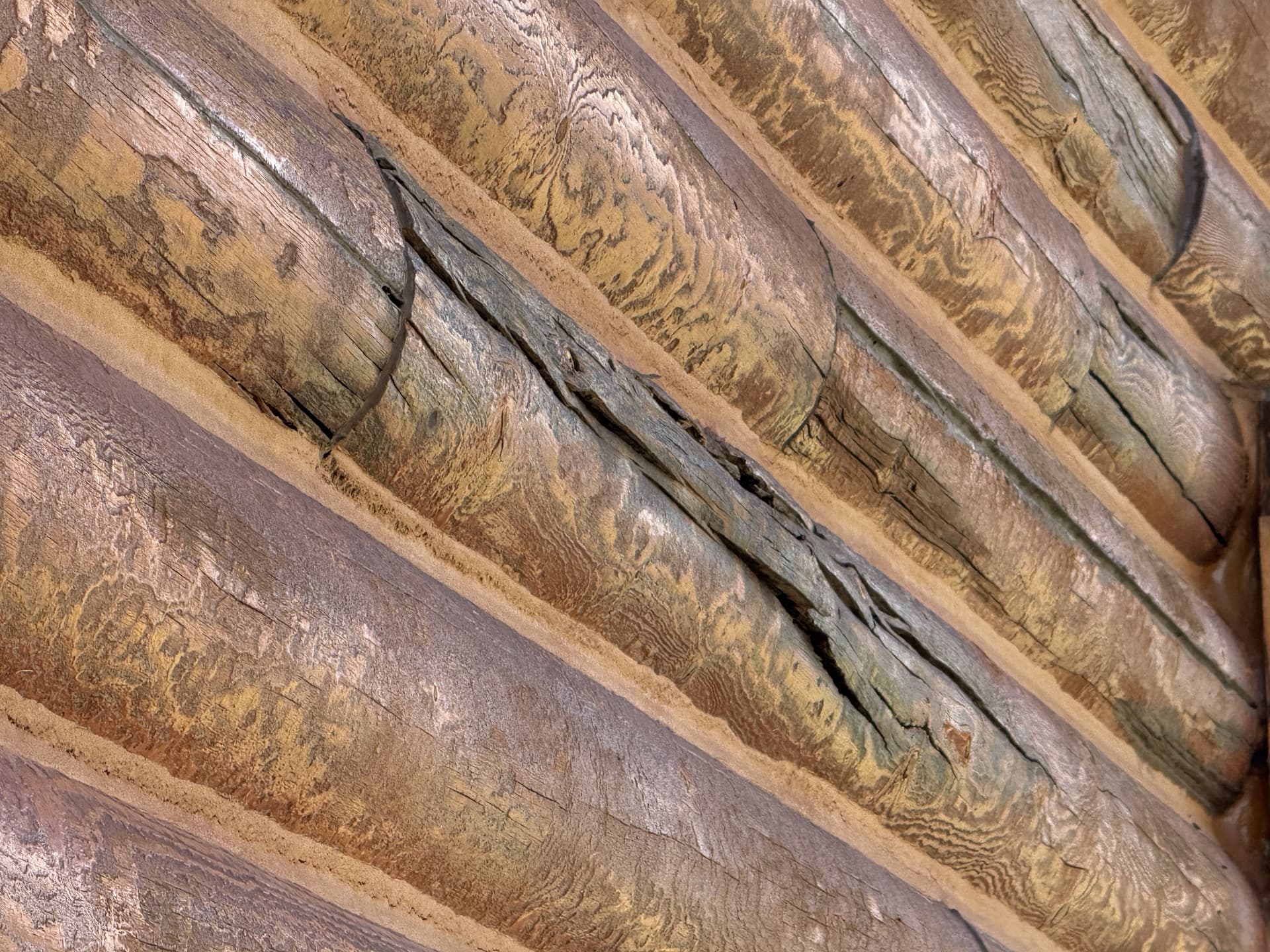
Chinking Close-Up
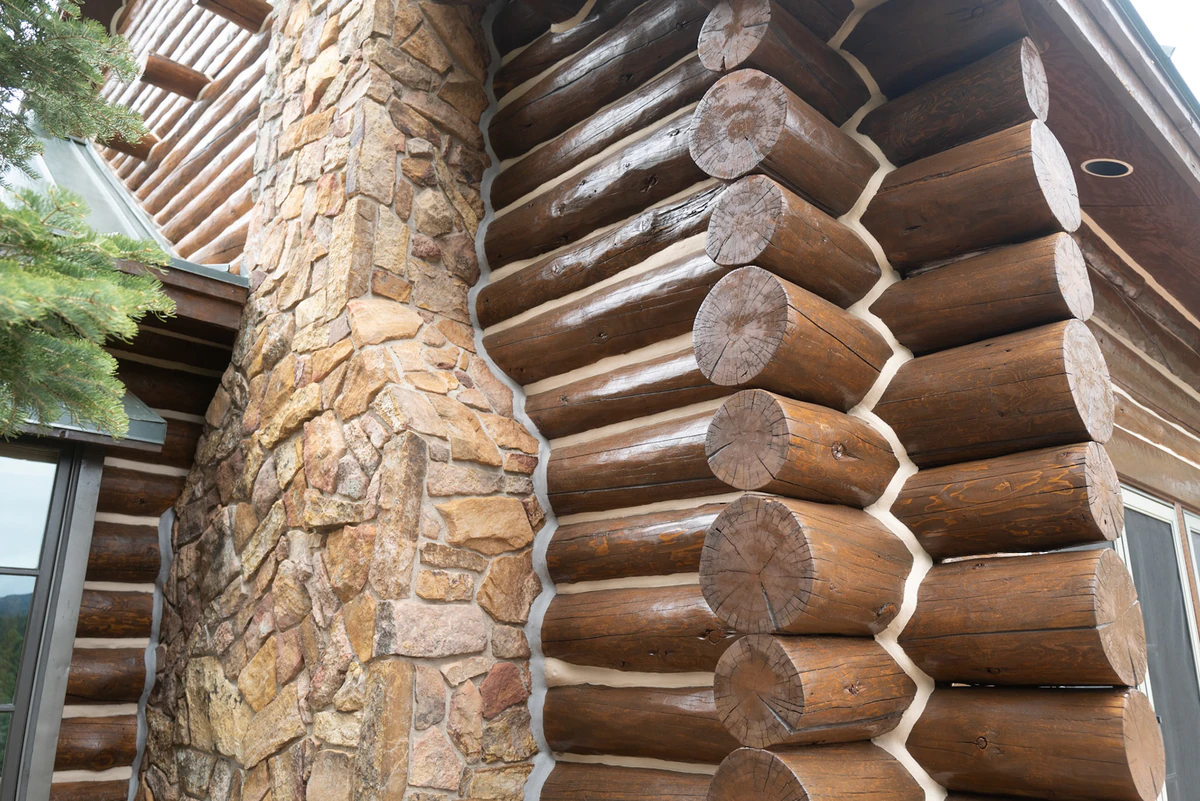
The chinking material fills large gaps between logs, creating a traditional and weatherproof seal.
Source: Alamy
Application Process

Modern chinking materials are applied with precision to ensure longevity.
Source: Restore Logs
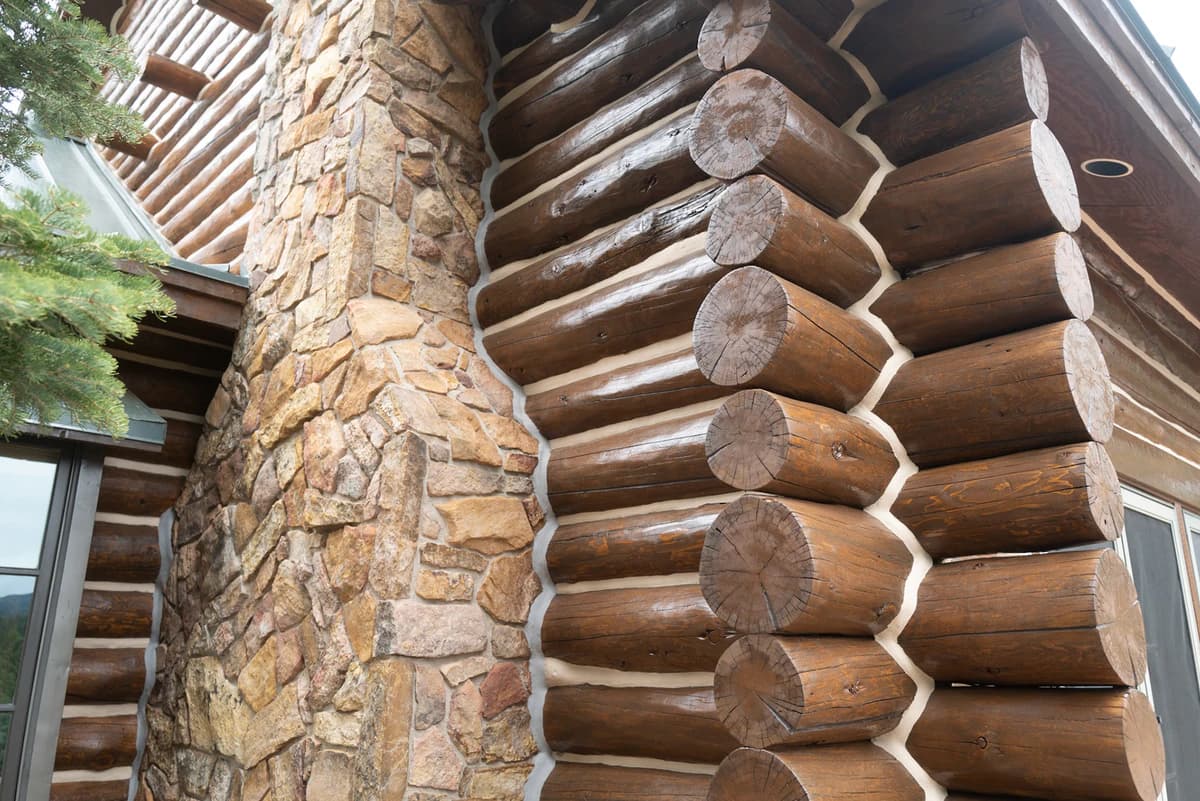
Traditional Chinking Look
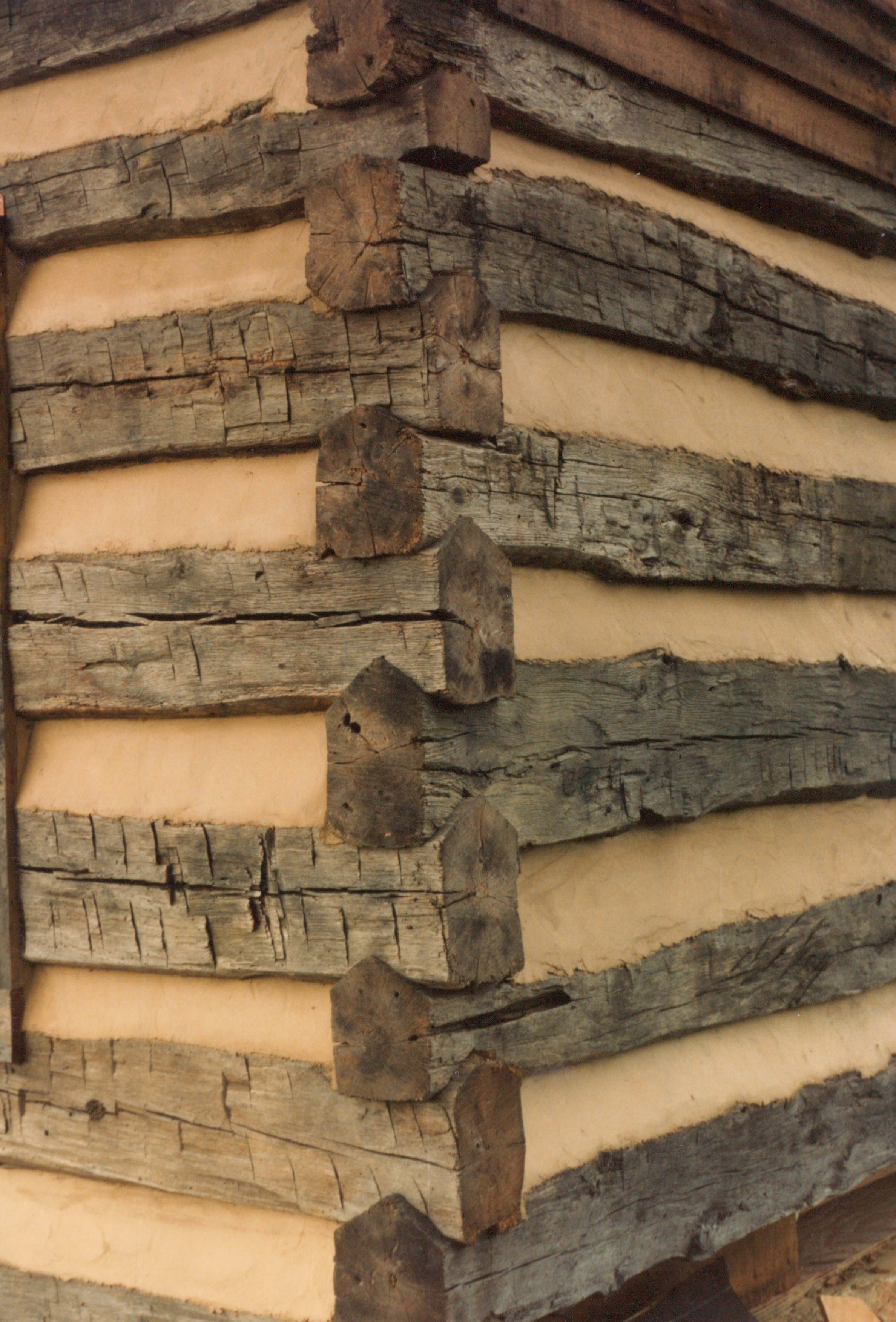
Chinking provides a charming, rustic aesthetic to log cabins.
Source: Handmade Houses
Rustic Cabin with Wide Chinking

Wide chinking is a hallmark of many historical log cabins.
Source: Dreamstime
Step-by-Step Guide to Application
Chinking:
- Clean the log surfaces and gaps.
- Use a backer rod to fill large gaps for better adhesion.
- Apply the chinking material with a gun or trowel.
- Smooth it evenly for a clean finish.
- Allow it to cure for the recommended time.
Caulking:
- Inspect and clean cracks or gaps.
- Insert a backer rod if needed.
- Use a caulking gun to apply the sealant.
- Smooth it with a damp cloth or finger.
- Let it dry and cure.
Conclusion
Understanding the difference between chinking and caulking is essential for proper log cabin maintenance. Whether you prefer the traditional charm of chinking or the modern practicality of caulking, both techniques play vital roles in keeping your cabin weatherproof, energy-efficient, and long-lasting.
Properly applying these materials can transform your cabin into a comfortable and enduring sanctuary. Choose the right method based on your cabin's needs and enjoy the beauty and warmth of your log home for years to come!
Would you like additional image examples for caulking or any further assistance?