Log Replacement in Colorado
Some logs are past saving — and a wall is only as sound as the timbers holding it up. Thomas Elliott and the Log Home Finishing crew cut out failed logs, shore the load, and splice in matched new timber across Colorado's high country.
When a Log Needs Replacing — Not Just Repair
There is a line every log eventually can or cannot cross. While the wood is still solid at its center, decay can be cleaned out and the profile rebuilt. But once damage reaches the core, spreads down the length of the timber, or settles into a log that is carrying the weight of the wall, filler is the wrong tool. At that point the timber has stopped doing its structural job, and the only honest fix is to take it out and set in sound wood.
Colorado is hard on the logs that fail first. Deep snowpack banks against the bottom courses for months, freeze-thaw works moisture deeper with every cycle, and relentless high-altitude UV opens checks that swallow rain and meltwater. Logs in contact with grade or a deck never get the dry spell they need to recover. Almost every replacement we do starts low on the wall — a rot-damaged sill or bottom log that has crushed or punked through.
Replacing a log is structural carpentry, not cosmetics. A proper log home inspection tells us exactly which timbers are past saving, how the load needs to be carried while they come out, and how to splice in new wood so the wall regains its real strength — and looks like nothing ever happened.
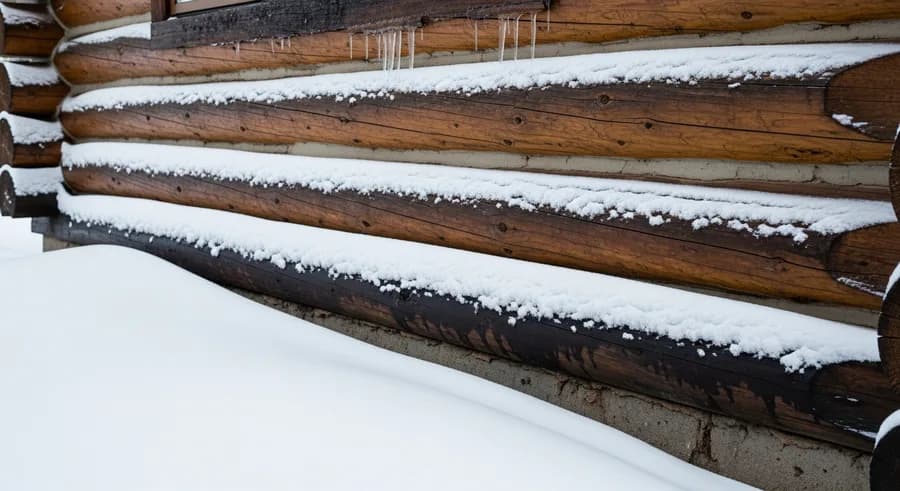
Snow-buried bottom courses
Months of drifted snowpack against the lowest logs keep them saturated until the wood crushes or decays through — the leading reason a sill log gets swapped.
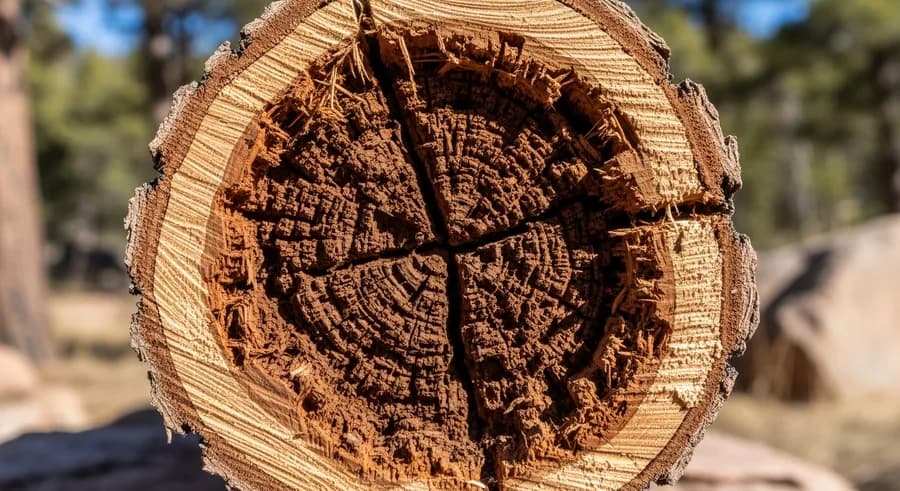
Decay through the core
Once rot reaches the heart of a timber or runs lengthwise down it, filler can no longer carry load. The log has to come out and a sound one set in its place.
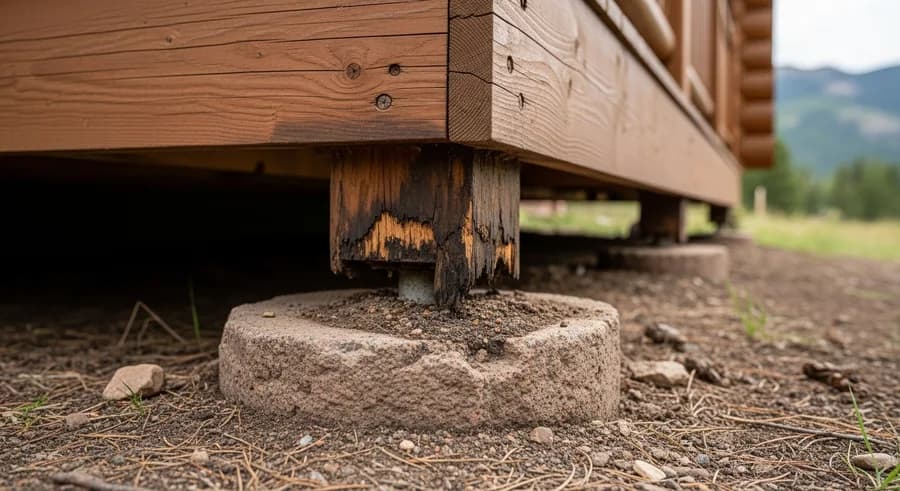
Ground & deck contact
Logs touching grade, soil, or deck framing never fully dry between freeze-thaw cycles, so they break down far faster than the courses above them.

Open checks & UV breakdown
Deep upward-facing checks and years of high-altitude UV split the wood and let water into the body of the log until the section is past saving.
Signs You Need Log Replacement
Not every soft spot means a log comes out — but these symptoms point past patching and toward replacing the timber before the wall is affected.
Crushing or sagging
A bottom log compressing under the wall above, or courses no longer sitting level, points to a timber that has lost its strength.
Rot all the way through
An awl pushes deep into the log front to back, or daylight and soft punk run the full thickness — beyond what epoxy can rebuild.
Failed corner notches
Saddle-notch and corner joints that have rotted or pulled apart undermine how the whole wall ties together and locks.
Doors & windows out of square
Openings that suddenly stick or gap can mean a load-bearing log below has settled and needs replacing with proper shoring.
Seeing one or two of these? A professional log home inspection settles the question — confirming whether a timber can be saved with log rot repair or genuinely needs to be replaced.
Log Replacement on Real Colorado Homes
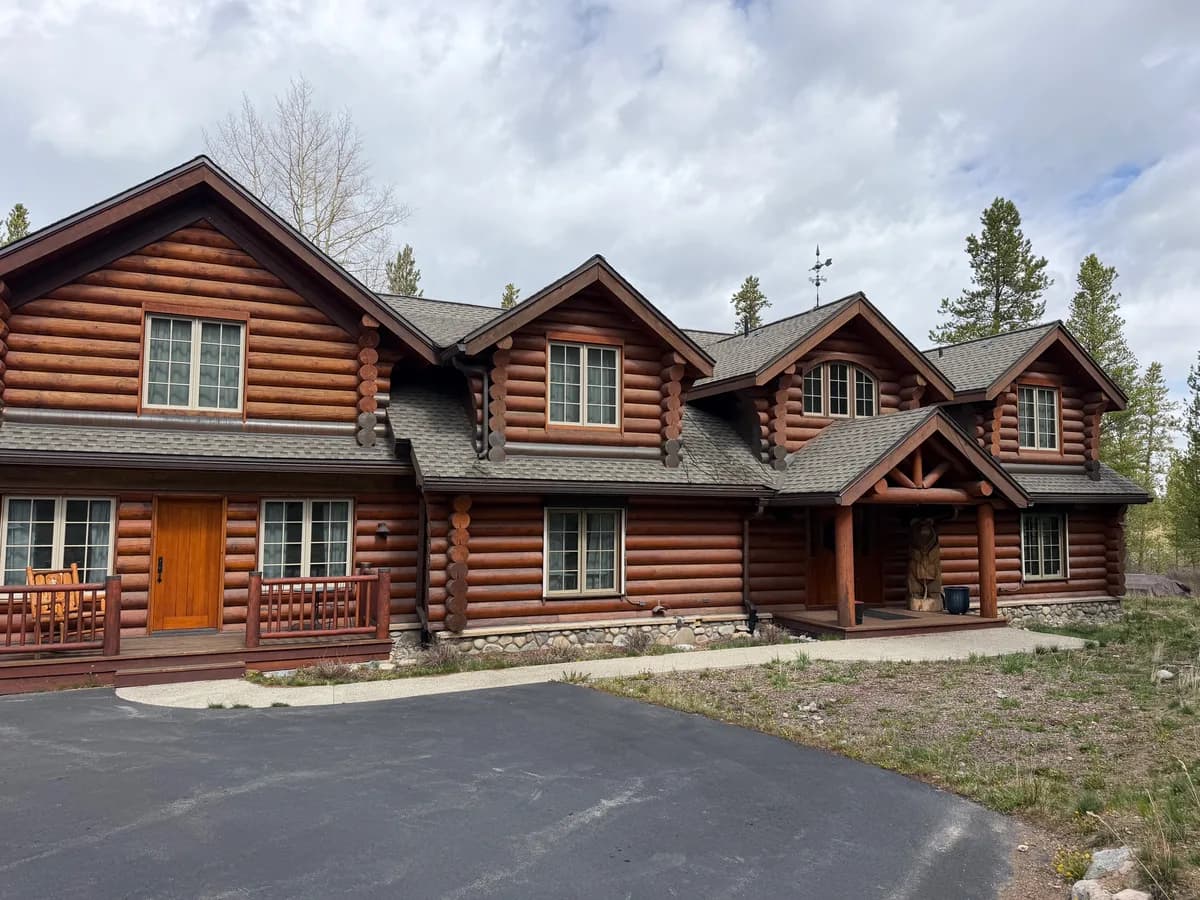
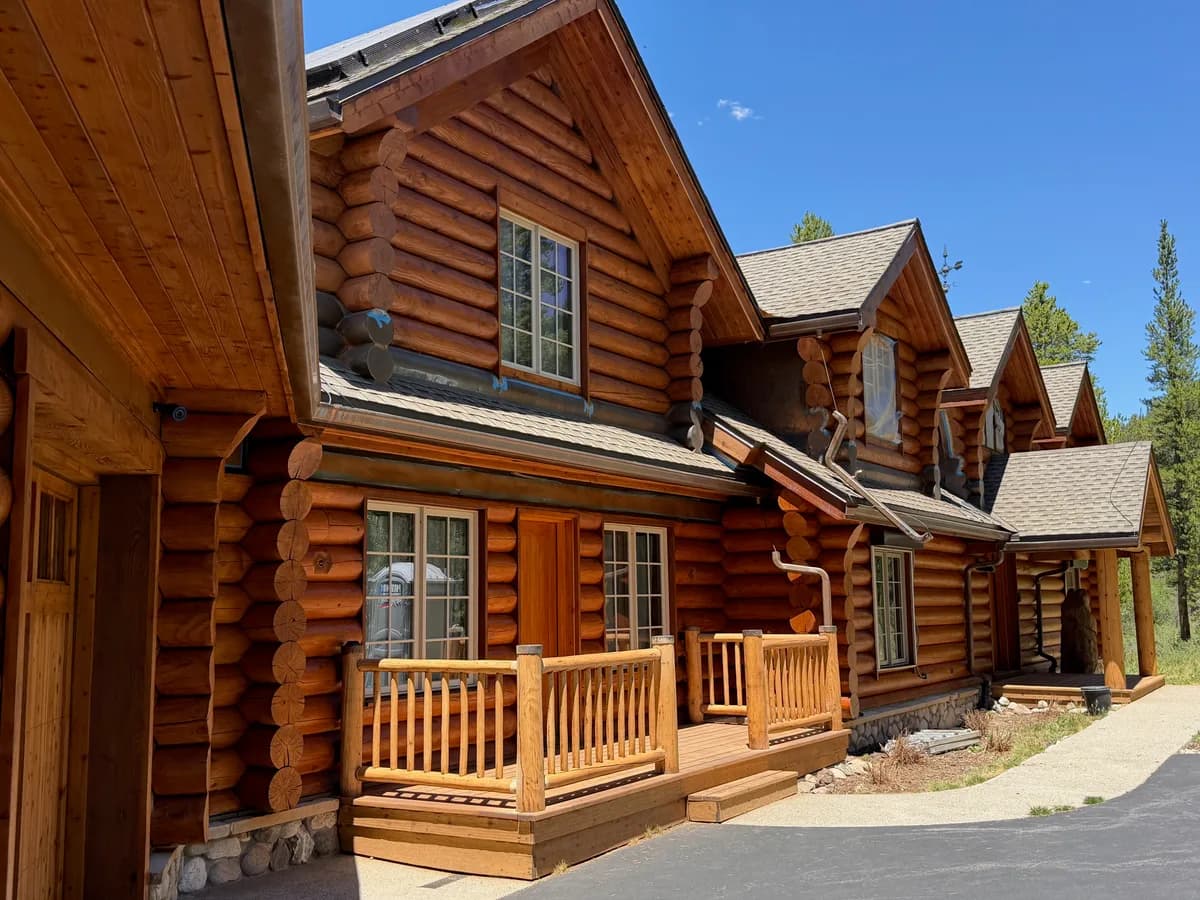
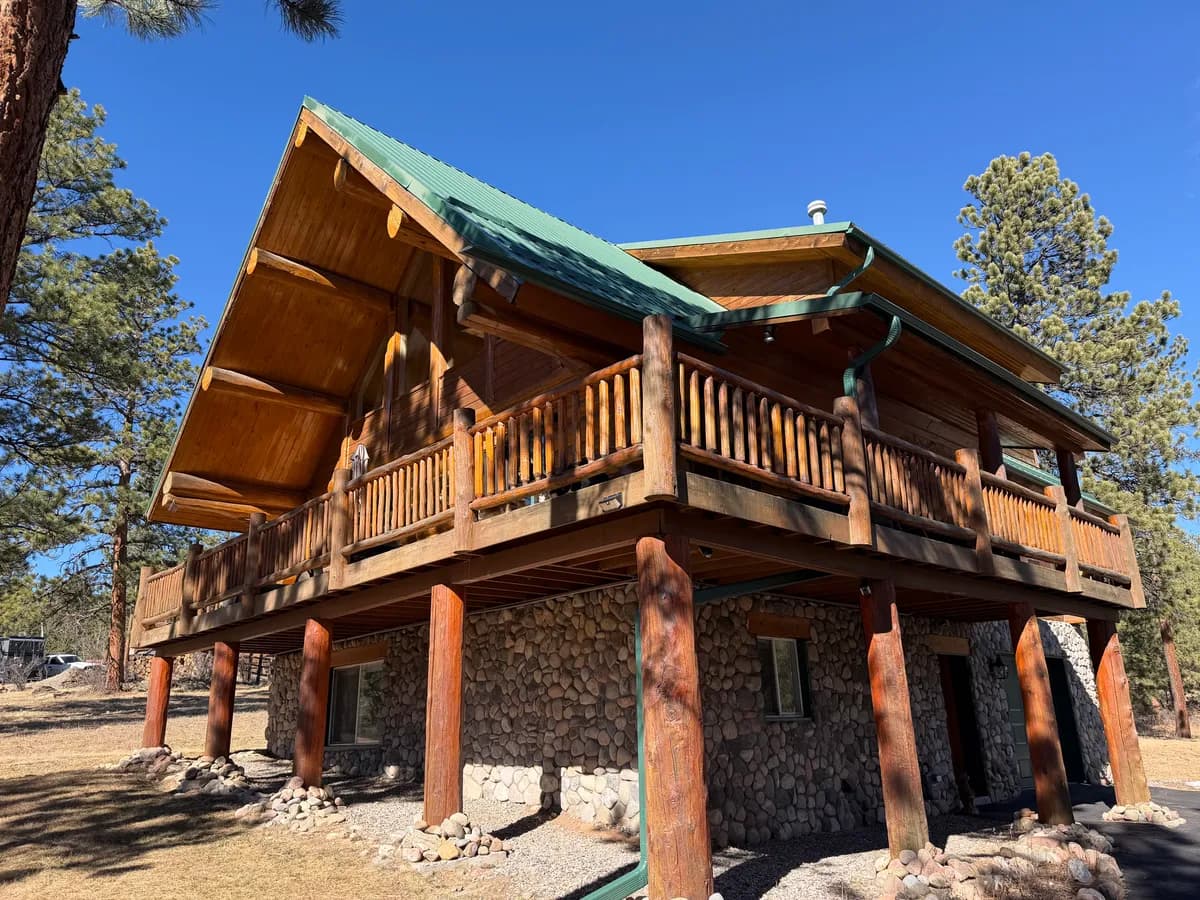
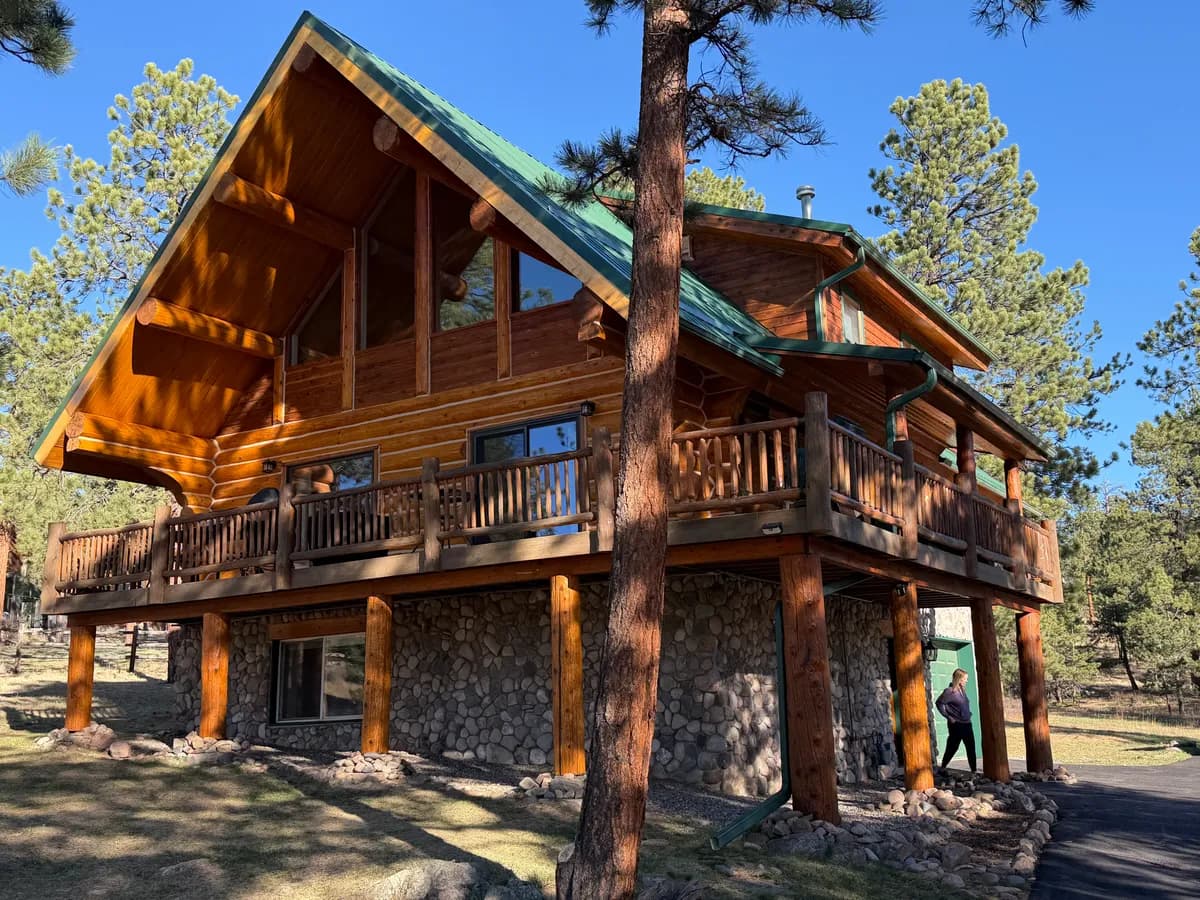
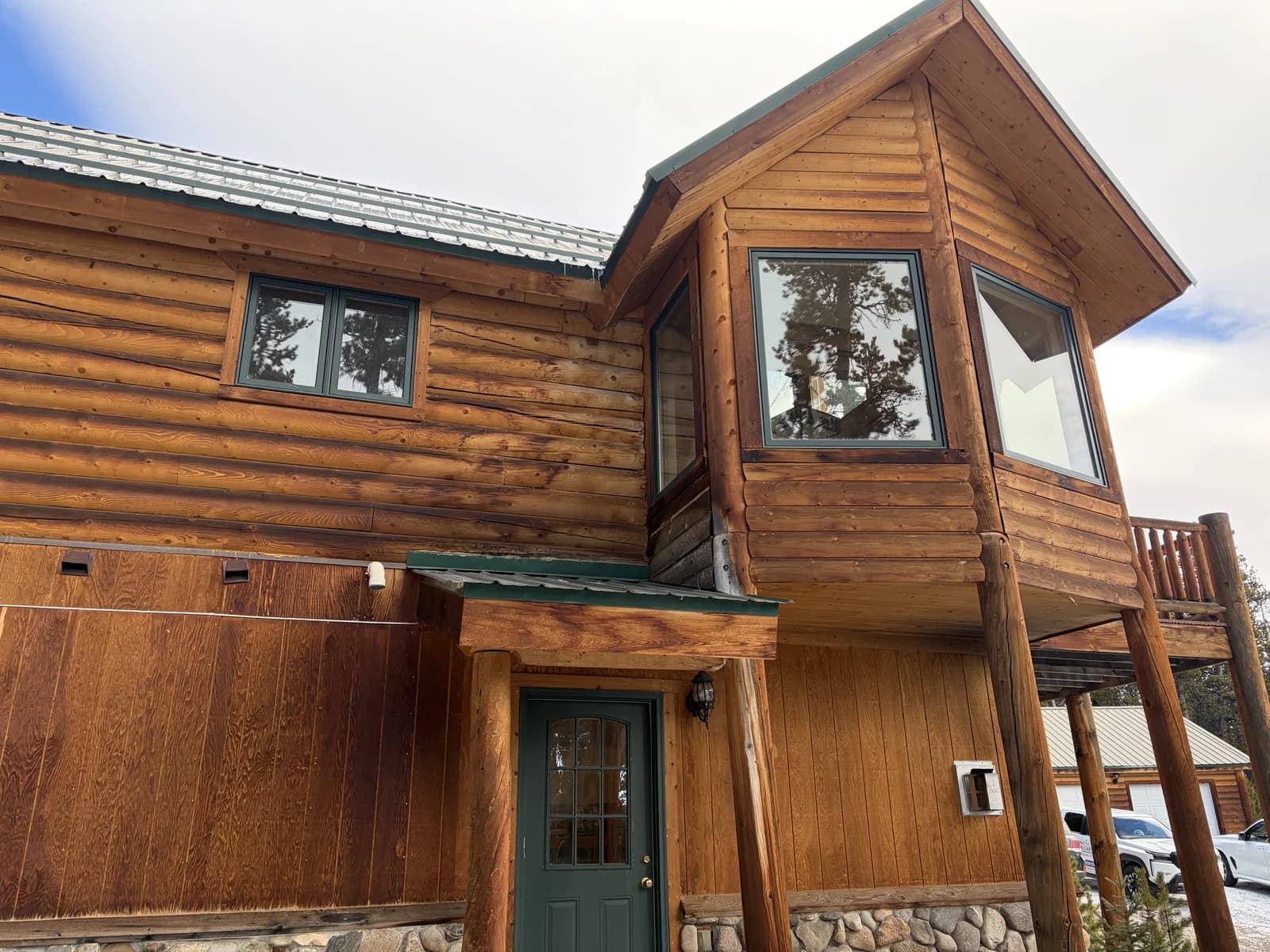
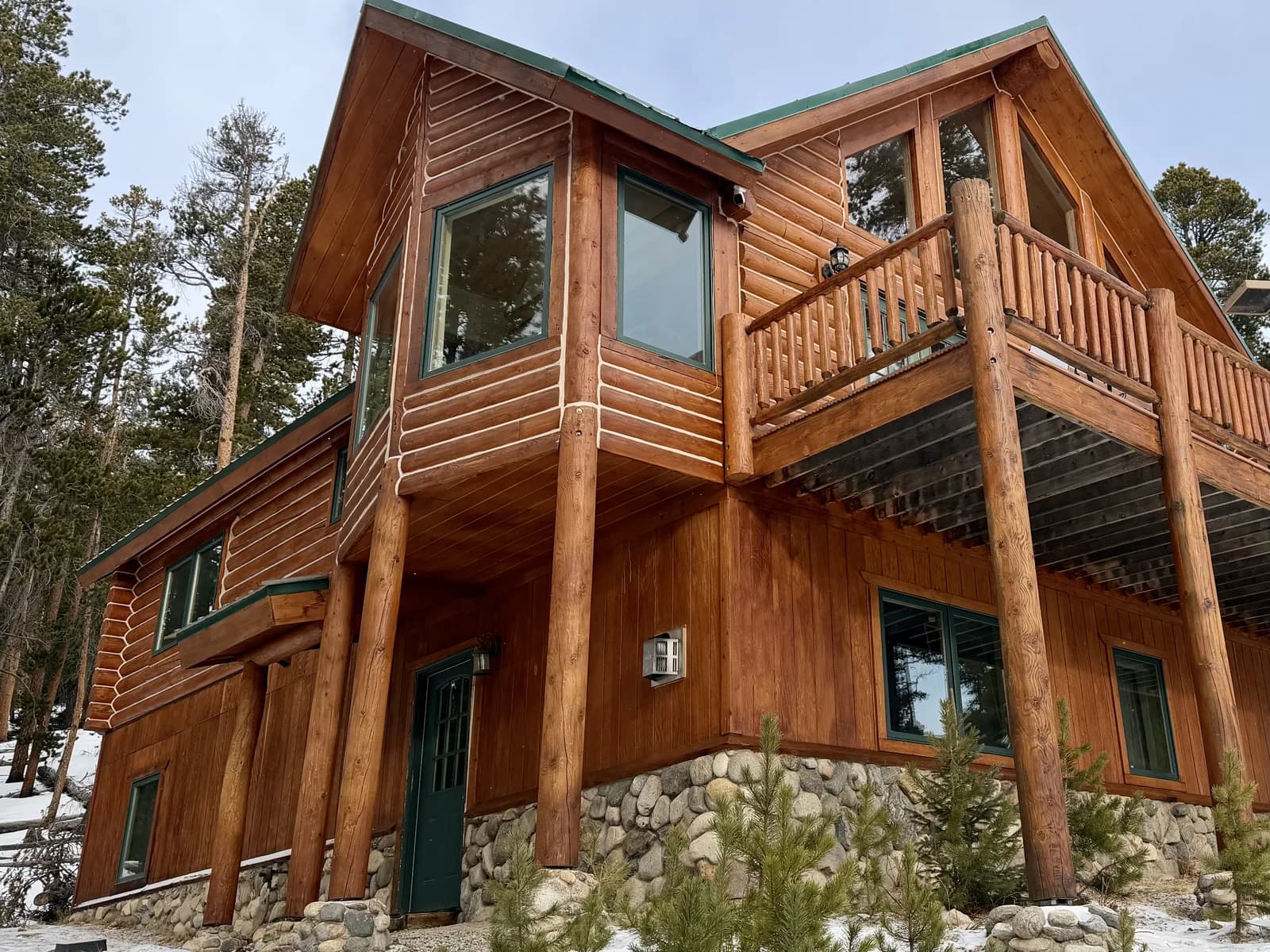
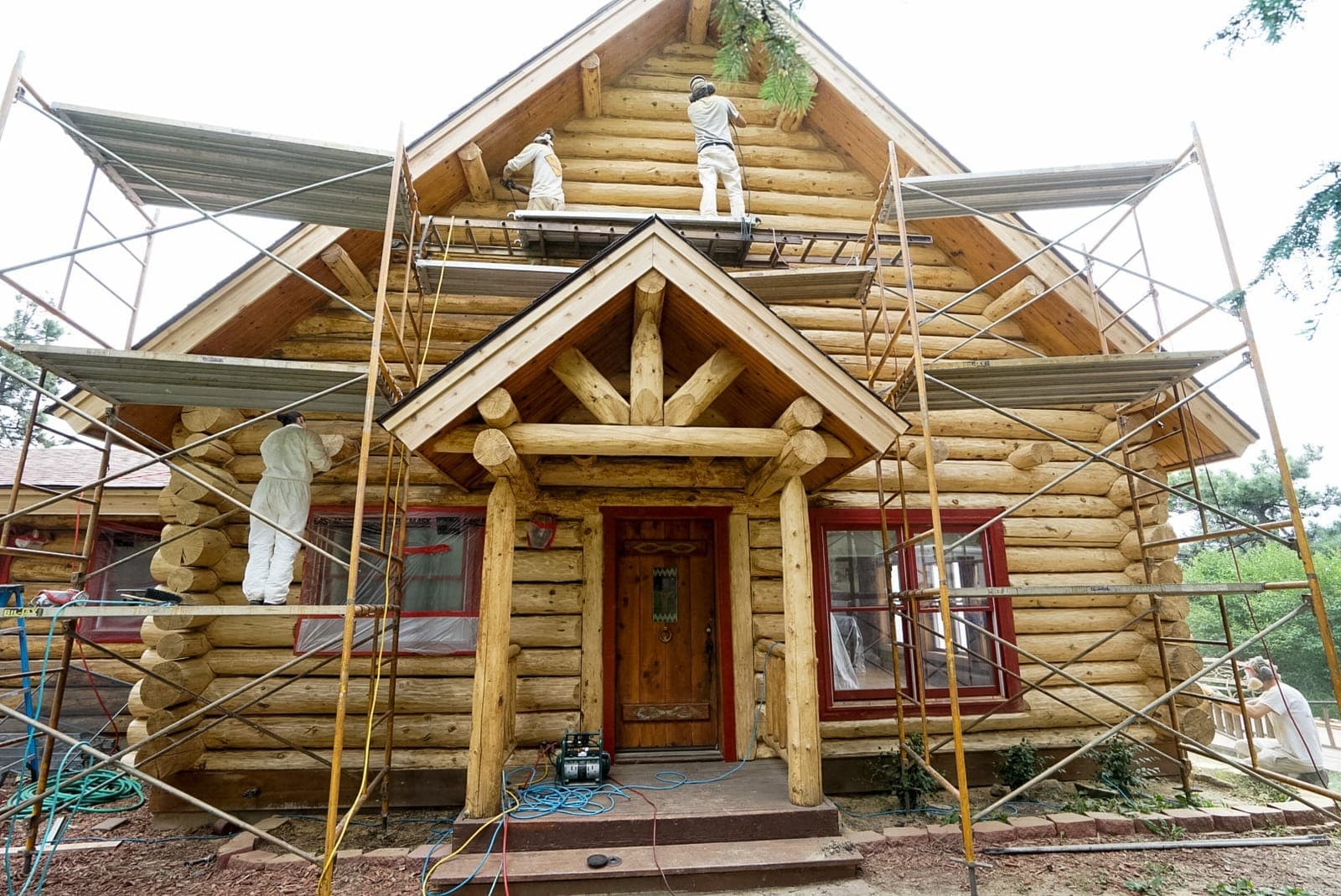
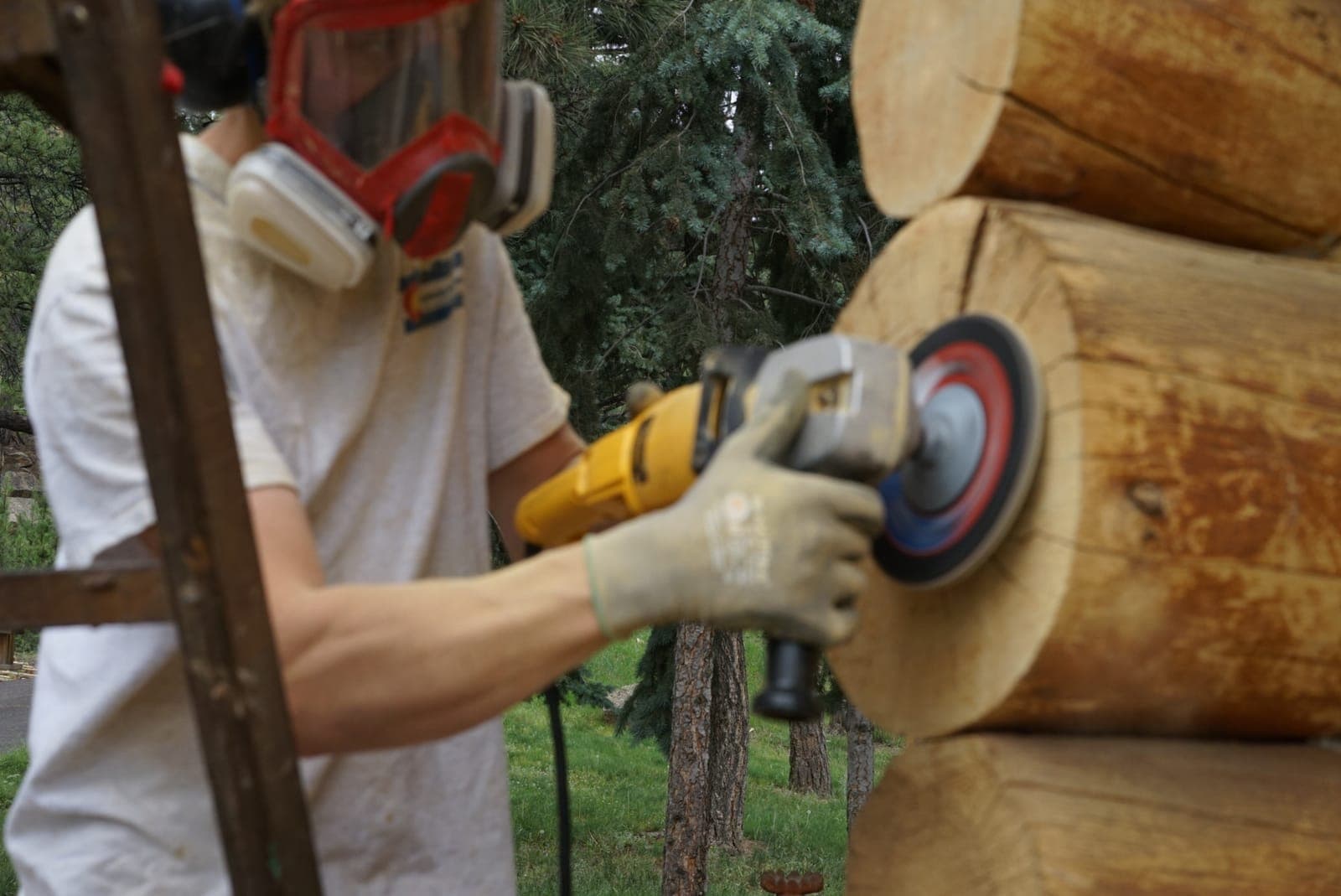
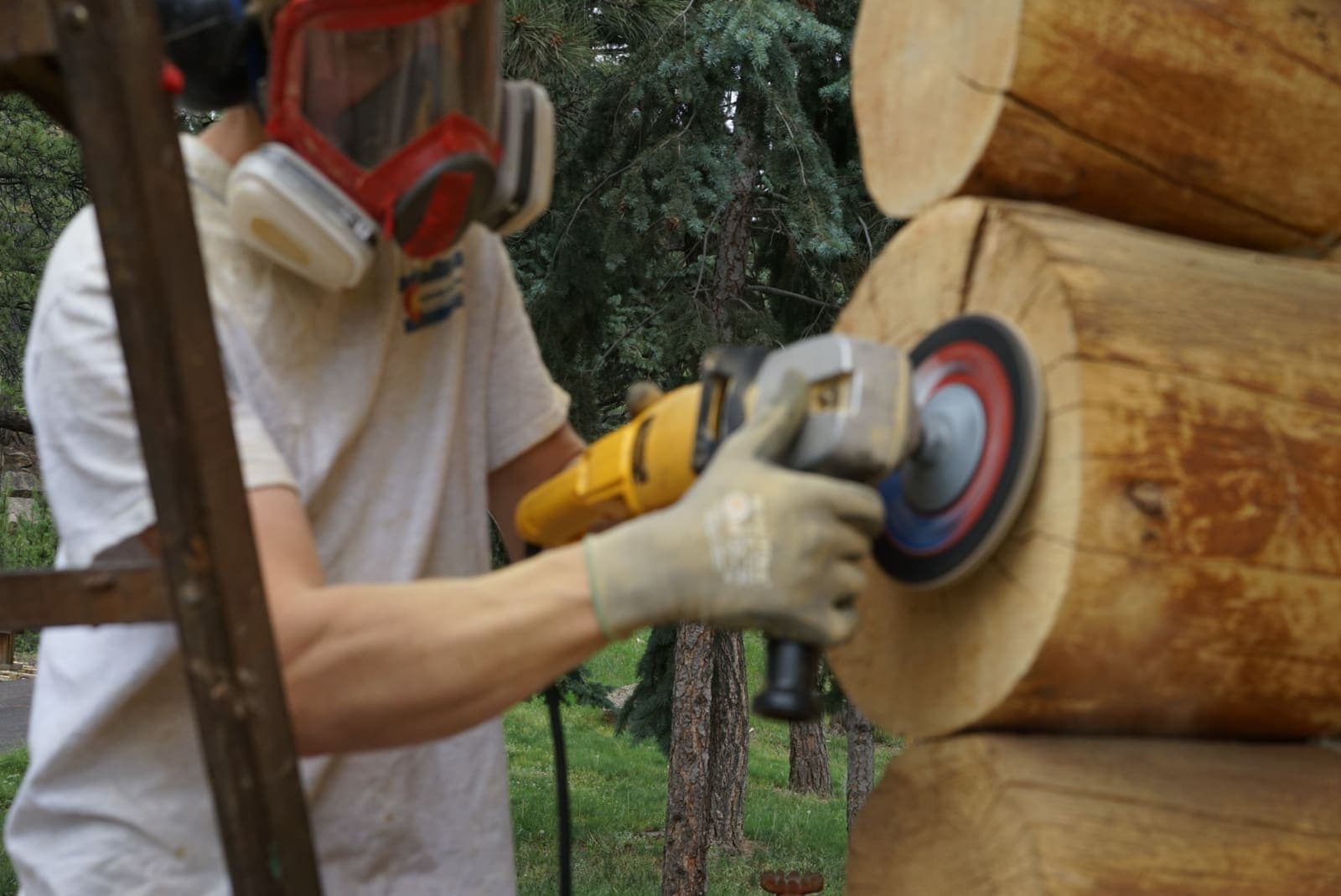
From cutting out a failed timber to blending the new wood into the wall. Explore more in our project portfolio.
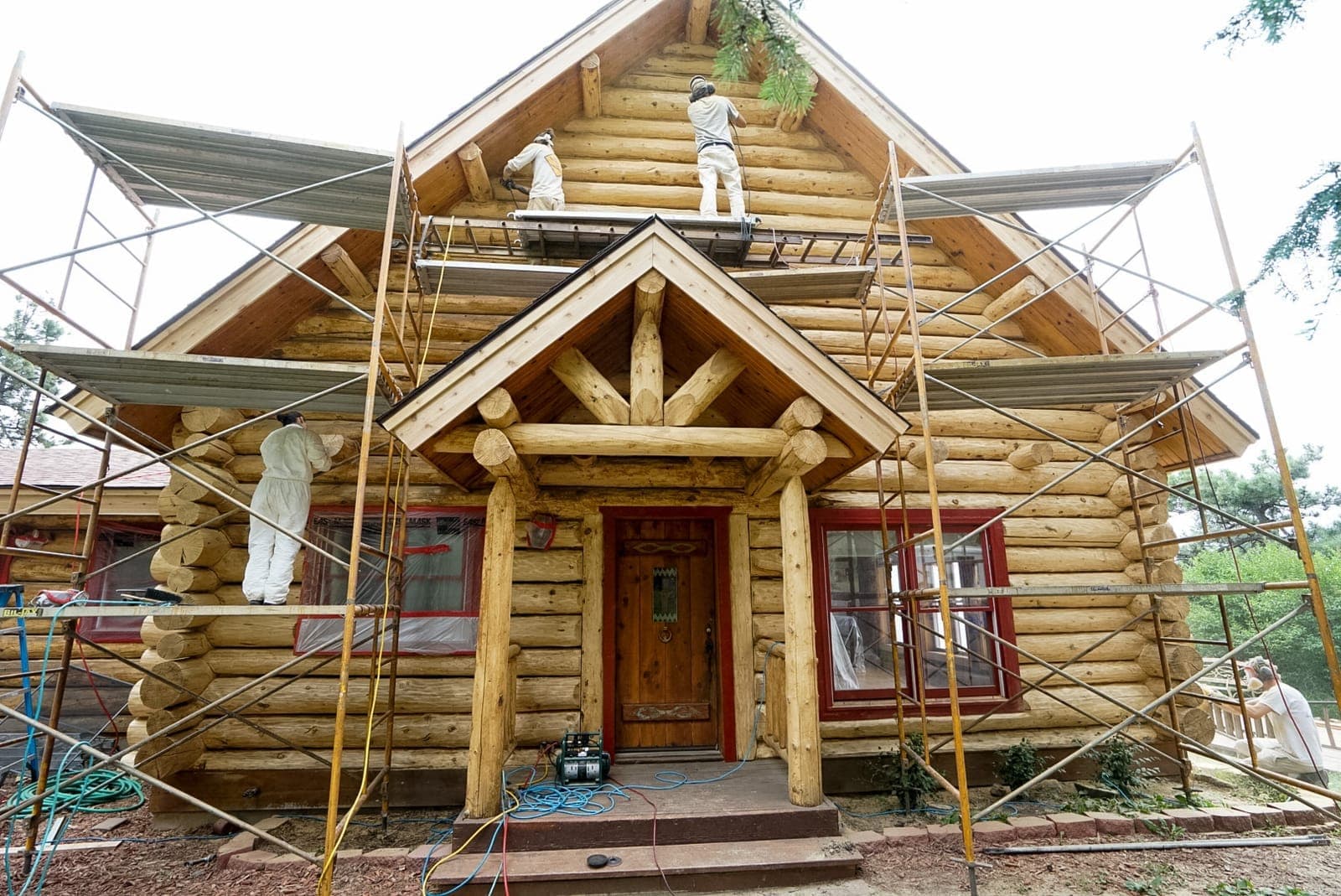
Our Log Replacement Process
Five steps that carry the load, fit the timber, and blend the finish — the way a replacement holds up in the Colorado climate.
Inspect, probe & map the log
We probe the suspect timber and take moisture readings to confirm how far the damage runs and whether a facing or a full log is the right repair.
Shore the wall & cut out the log
For any load-bearing course we transfer the weight onto temporary supports, then cut and remove the failed log without disturbing the timbers around it.
Match species, profile & diameter
A new log is selected and milled to the same species, profile, and diameter as your wall — round, D-log, hand-hewn, Swedish cope, or square.
Scribe, notch & splice in place
The replacement is scribed to the adjoining courses, the corner notches are cut, and the section is spliced and fastened so it locks into the wall.
Seal, re-chink & re-stain to blend
We seal the checks, re-chink or re-caulk the joints, and re-stain the new wood so it disappears into the surrounding weathered logs.
Half-Log Replacement
When the weathered face of a log has failed but the back half is still firm and tied into the wall, we mill a matching facing and set it over the sound wood. The new face is scribed to the courses above and below, fastened, then sealed and stained so the seam vanishes. It keeps the original log in place, moves faster, and disturbs far less of the wall — the right call when the damage is only skin-deep.
- Outer face gone but back half sound
- Non-structural or lightly loaded timbers
- Less invasive, quicker turnaround
Full Log Replacement
When a timber is compromised front to back or carries the weight of the wall, the whole log is removed and replaced. We shore the load first, cut out the failed log, then fit a new one of the same species, diameter, and profile — scribing it tight and re-cutting the saddle-notch corners so it locks into the structure. This is the durable fix for sill logs, bottom courses, and any load-bearing timber that has given out.
- Decay through the full thickness
- Load-bearing, sill & bottom-course logs
- Corner notches re-cut and locked in
Replacement Is One Part of a Sound Wall
A new log only lasts if the finish and seals around it are doing their job. These services complete and protect the repair:
Serving Colorado's Mountain Communities
From snow-buried sill logs in Summit County to load-bearing walls on the Front Range, we replace failed timbers across Colorado's mountain communities. See our work in the project portfolio.
- 🎿Breckenridge
- 🎿Vail
- 🏔️Frisco
- 🏔️Silverthorne
- ⛰️Fairplay
- ⛰️Leadville
- 🎿Summit CountyView
- ⛰️Park CountyView
- 🌄Eagle CountyView
- 🏔️Grand CountyView
- 🎿Routt CountyView
- 🦌Larimer CountyView
From the San Juan Mountains to the Front Range — expert log replacement services at your location.
Popular log home communities we serve
We Serve All of Colorado
Professional log replacement services available throughout Colorado. Click your county to learn about local conditions and our specialized approach.
Log Replacement FAQs
Straight answers about when logs come out, how they go back in, and what the work involves.
When does a log have to be replaced instead of repaired with epoxy?
Epoxy consolidation works beautifully for shallow, contained decay where the body of the log is still solid. Once the damage runs deep into the core, travels lengthwise down the timber, or sits in a log that is holding weight, rebuilding with filler is no longer honest carpentry — the wood can no longer do its structural job. In those cases we cut out the failed material and set in new log so the wall regains its real strength. We probe and moisture-test every questionable timber first, so you only replace what genuinely has to come out.
What is the difference between half-log replacement and full-log replacement?
Half-log (facing) replacement is used when the exposed outer face of a log has weathered or rotted away but the back half is still sound and bonded into the wall. We mill a matching facing, scribe it to the courses above and below, and fasten it so the repair reads as one solid log. Full-log replacement is for timbers that are compromised all the way through or carry structural load — the entire log is removed and a new one of the same species, diameter, and profile is fitted, notched, and locked into the corners. Half-log work is faster and less invasive; full-log work restores maximum strength.
Why are bottom logs and sill logs the ones that usually need replacing?
They sit at the wettest, hardest-working point on the whole building. In Colorado the bottom course takes months of snowpack banked against it, splash-back off decks and grade, and meltwater running down the wall every spring. Sill logs near ground or deck contact rarely get a chance to fully dry between freeze-thaw cycles, so decay and crushing show up there first. Replacing a sill or bottom-course log is the single most common log replacement we do across the high country.
Is it safe to remove a load-bearing log from a standing wall?
Yes, when it is done with proper shoring. Before any load-bearing timber comes out, we transfer the weight of the wall above onto temporary supports so nothing settles or shifts. The compromised log is then removed, the opening is cleaned and treated, and the new log is fitted and secured before the shoring comes down. This is structural carpentry, not patchwork — doing it without correctly carrying the load is how walls rack and windows and doors go out of square.
Will the new log match the rest of my home?
That is the whole point of the work. We match the species, diameter, and profile of your existing logs — round, D-log, hand-hewn, Swedish cope, or square — then scribe and notch the new timber to the surrounding courses. After it is set we re-chink or re-caulk the joints, seal the checks, and re-stain to blend with the weathered wood around it. Done well, a finished replacement disappears into the wall and a visitor cannot tell which log is new.
How much does log replacement cost in Colorado?
It is always quoted after inspection because the price turns on how many logs are involved, whether they are facings or full timbers, how much they carry, access, and how much corner and notch work is required. A single half-log facing is a modest job; replacing several load-bearing sill logs with shoring is a larger structural project. We provide a written, itemized estimate once the home is probed and moisture-tested — start with our online calculator for a ballpark and book an inspection for an exact figure.
Got a Log That's Past Saving? Let's Take a Look.
The longer a failed log stays in the wall, the more it pulls on the timbers around it. Get an honest, itemized estimate from a specialist who does the structural carpentry firsthand.