The problem this guide helps you solve
Chinking and weather sealing overlap in everyday language, which can make it unclear what a contractor’s proposal actually includes.
What to understand before taking action
Distinguish the visible joints between logs from the wider task of managing water and air entry at corners, openings and transitions.
What this means for your home: Ask which joints and details are included, what backing and sealant will be used, and how the work will be inspected. No sealant lifespan eliminates the need for maintenance checks.
Is Chinking the Same as Weather Sealing? Understanding Log Home Protection
While both chinking and weather sealing play crucial roles in protecting log homes, they serve different purposes and shouldn't be confused with each other. Let's explore these essential elements of log home maintenance and understand why both are important for your home's longevity.
Understanding Chinking
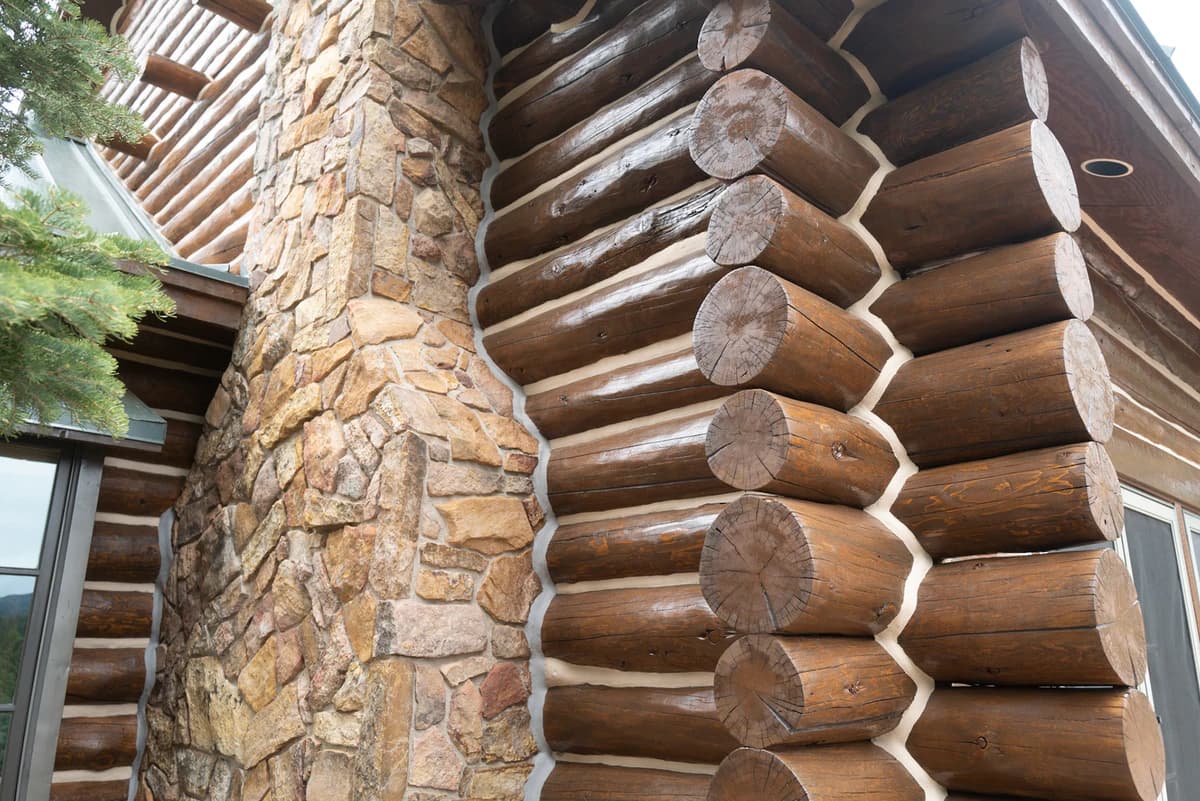
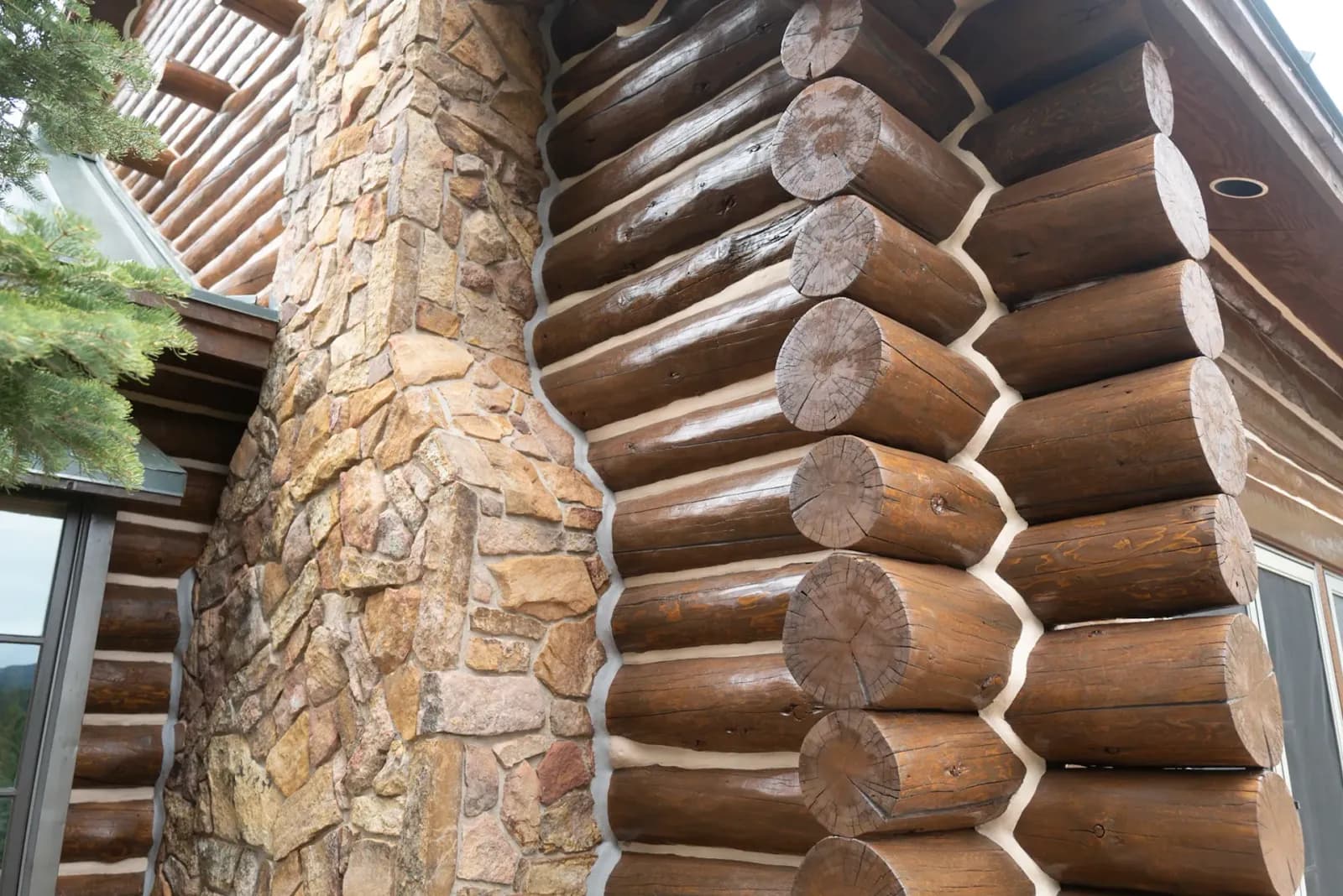
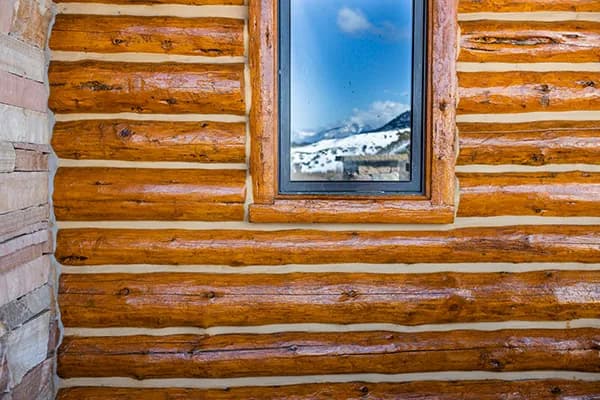
Chinking is a specialized elastic material designed specifically for log homes to seal the gaps between logs. Traditional chinking was made from clay, mud, and straw, but modern chinking consists of synthetic materials engineered to:
- Maintain flexibility with log movement
- Create an airtight seal between logs
- Prevent water infiltration
- Allow proper log moisture release
- Resist UV damage and weathering
Weather Sealing Explained
Weather sealing, on the other hand, refers to a broader category of protective measures that include:
- Sealants applied directly to log surfaces
- Water repellents that prevent moisture absorption
- Preservatives that protect against decay and insects
- UV protective coatings
Key Differences
The main distinctions between chinking and weather sealing are:
- Application area: Chinking is applied between logs, while weather sealing covers the entire log surface
- Purpose: Chinking fills gaps, while weather sealing creates a protective barrier
- Material composition: Chinking is highly elastic, while sealants are typically film-forming
- Longevity: Chinking typically lasts 15-30 years, while weather sealing needs more frequent reapplication
Why You Need Both
A properly protected log home requires both chinking and weather sealing. Think of chinking as the gasket between logs, while weather sealing acts as the protective skin. Together, they create a comprehensive defense system against:
- Water damage
- Air infiltration
- Pest infestation
- UV deterioration
- Energy loss
Maintenance Considerations
To maintain your log home's protective systems:
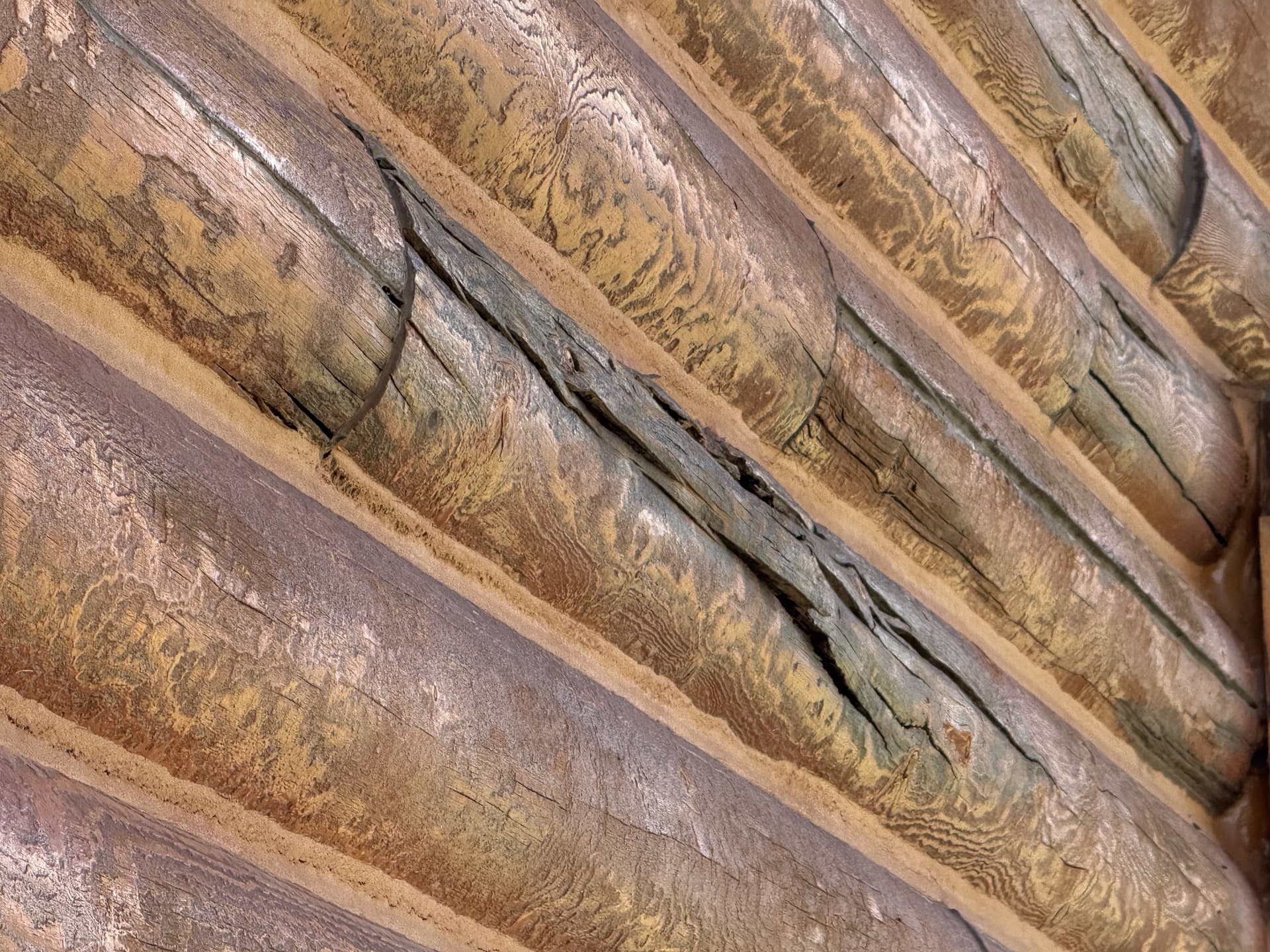
- Inspect chinking annually for cracks or separation
- Reapply weather sealing every 3-5 years
- Address any damage promptly to prevent bigger issues
- Consider professional maintenance for optimal results
Remember, proper protection of your log home requires a comprehensive approach using both chinking and weather sealing. While they serve different purposes, both are essential components of a well-maintained log home that will last for generations.
Sources and practical next steps
The references below support the guidance in this article; they do not independently verify project results or endorse our company.
- Perma-Chink Systems: How to Apply Energy Seal — Explains backing materials, joint design, adhesion and application conditions for this sealant. Other products require their own instructions.
- Sashco: Log Jam Chinking and Surface Preparation — Explains compatible finishes, clean bonding surfaces and preparation before chinking. Confirm compatibility for the actual stain and sealant combination.
Weatherproofing and joint protection. For property-specific guidance, send our team your location, photographs and what you know about previous coatings or repairs.