The Complete Guide to Log Home Chinking: Sealing Your Dream Home
Chinking is a crucial element in log home construction and maintenance that serves both functional and aesthetic purposes. This comprehensive guide will walk you through everything you need to know about modern chinking techniques, materials, and best practices.
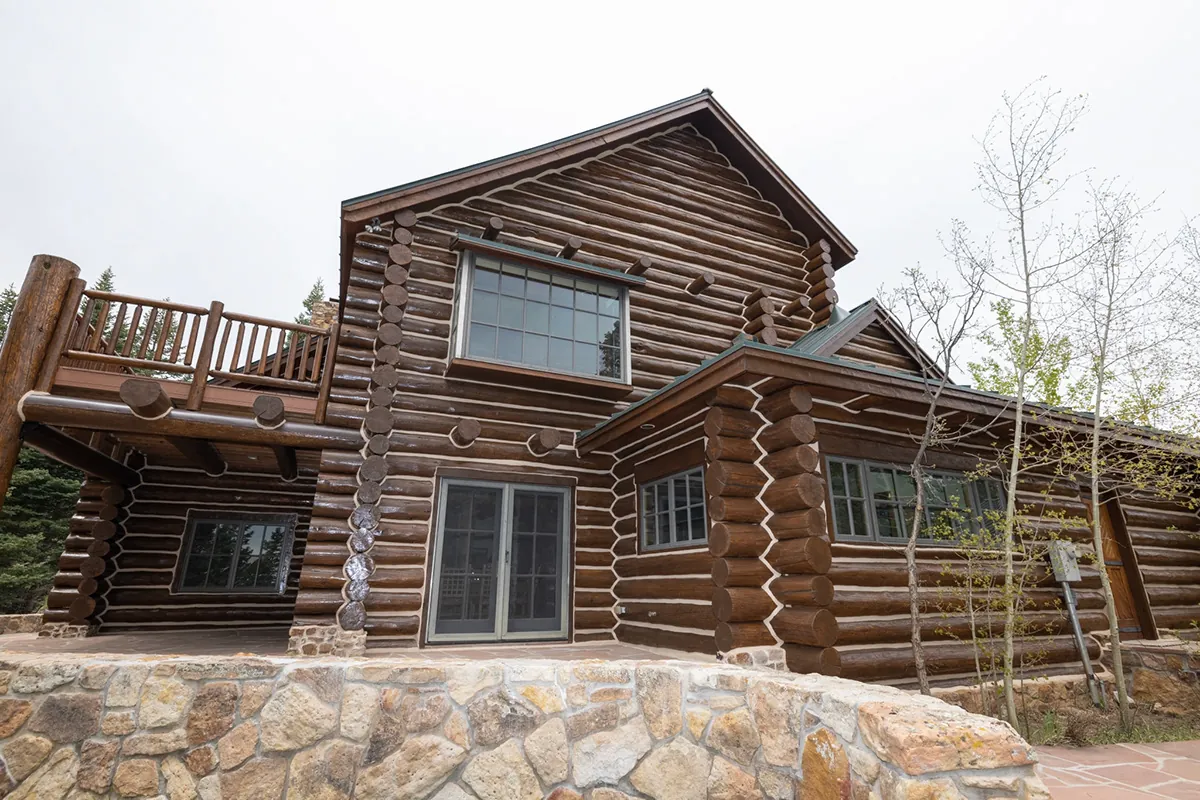
What is Chinking and Why is it Important?
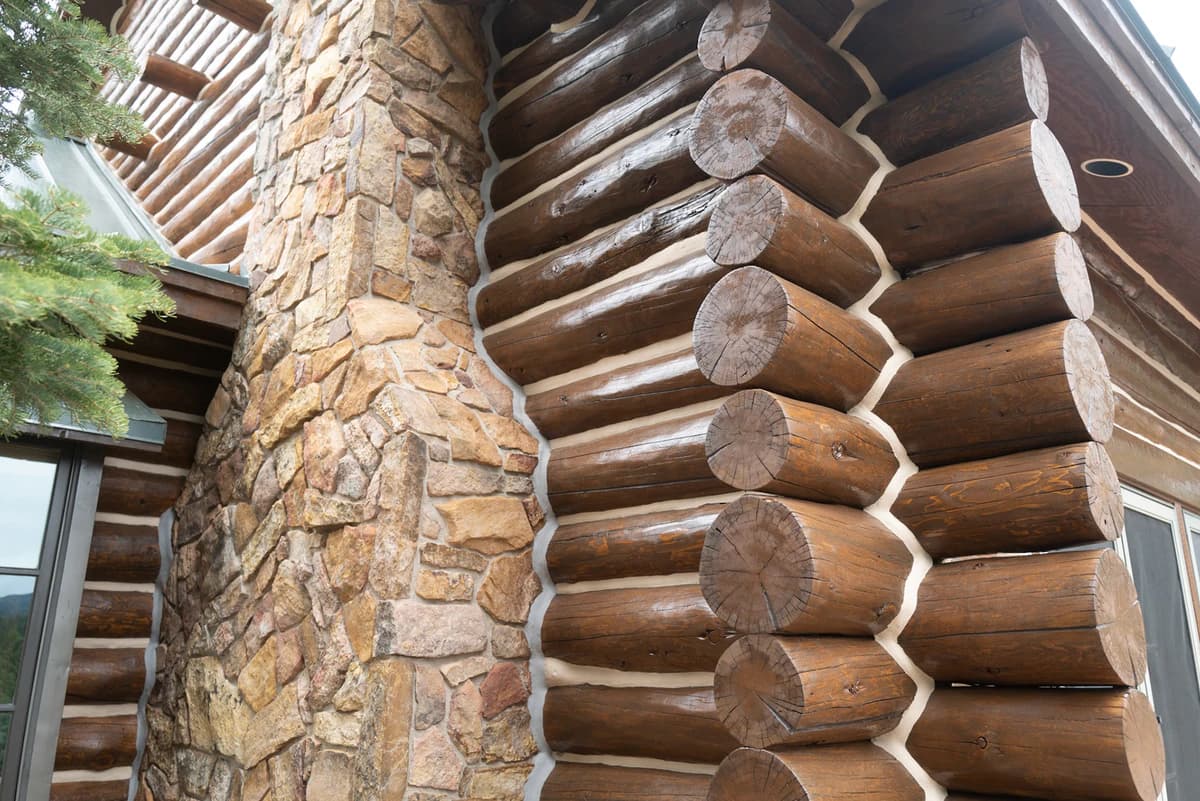
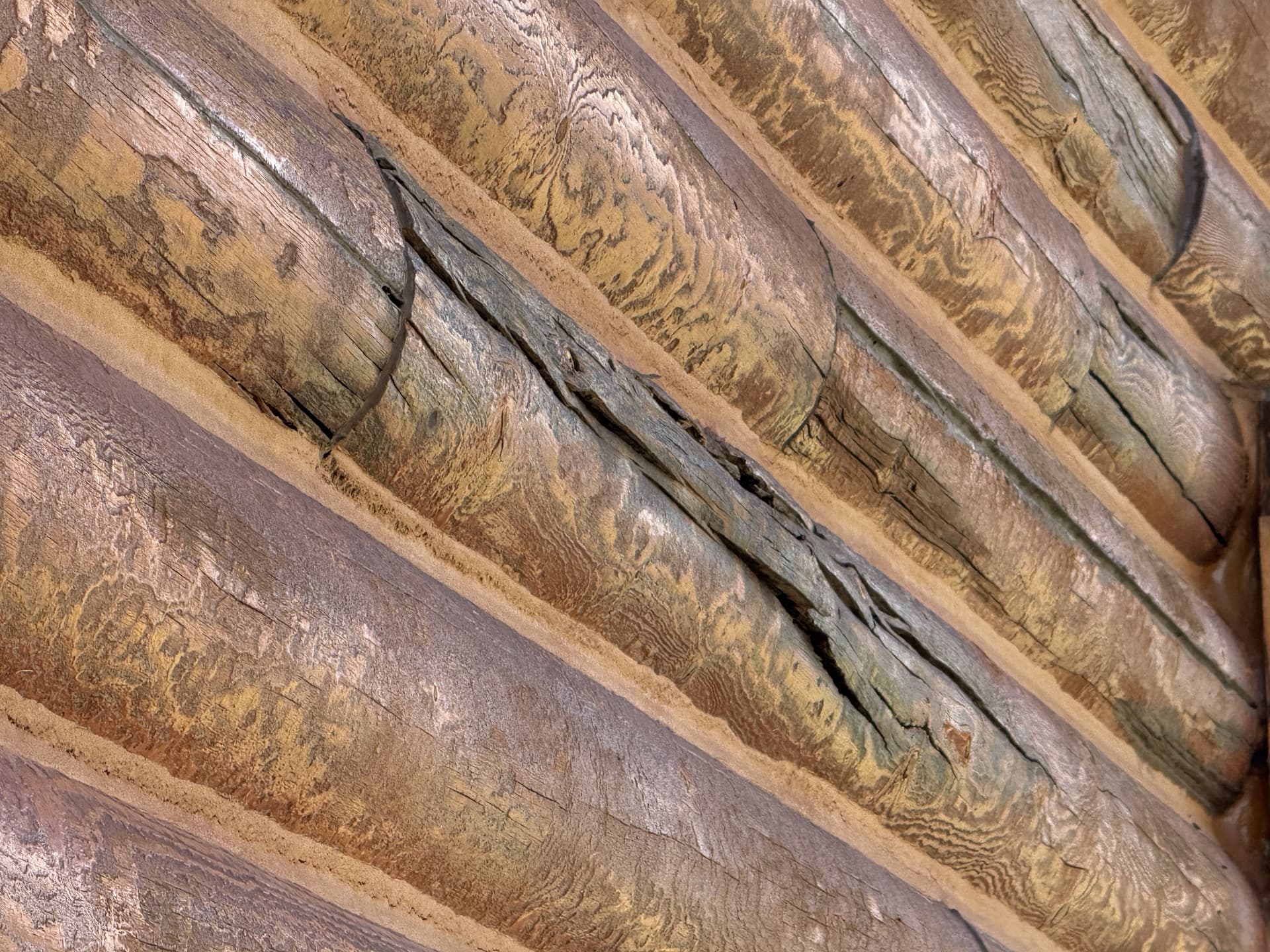
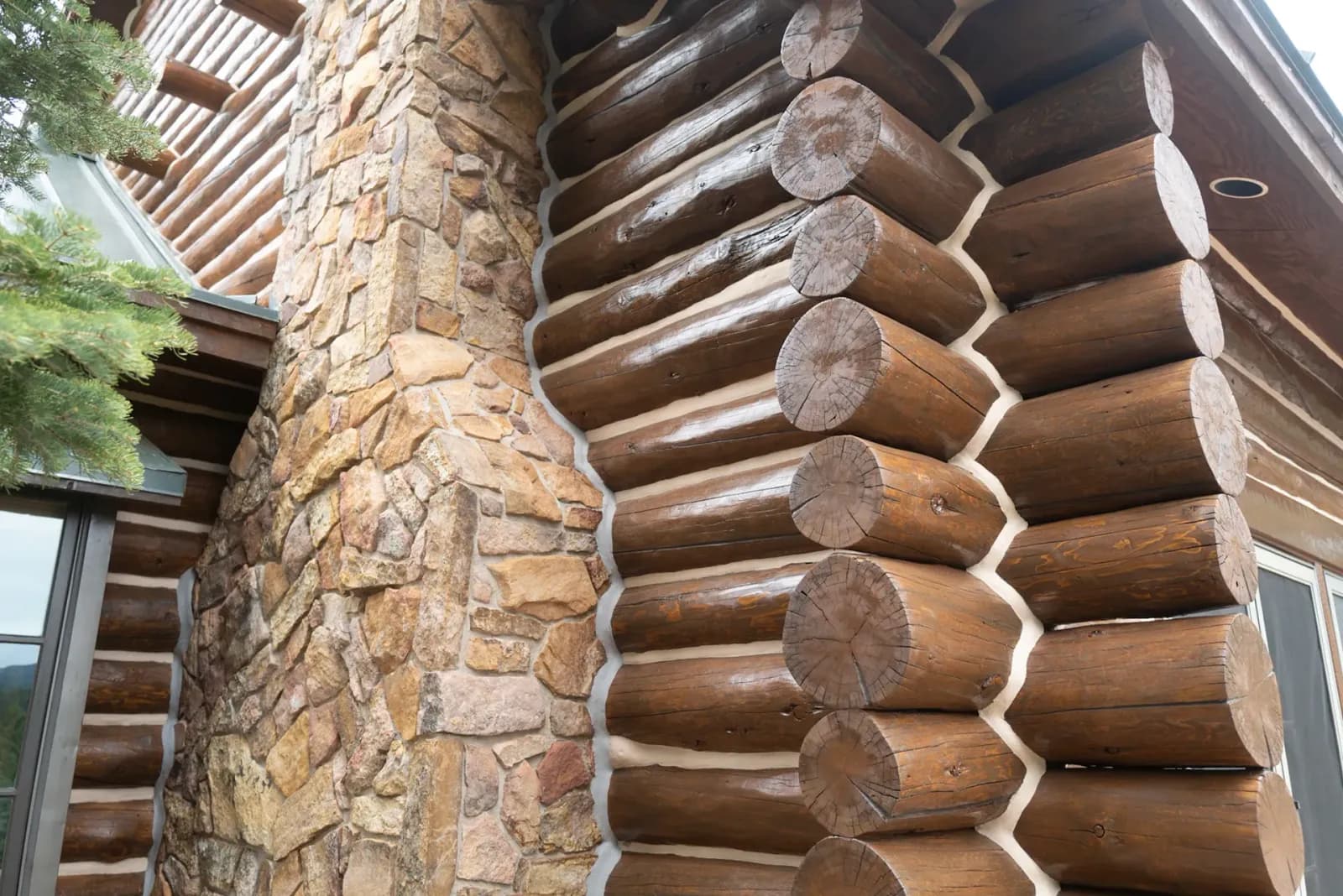
Chinking is the flexible material used to seal the gaps between logs in a log home structure. Unlike traditional cement-based materials used historically, modern chinking is typically a synthetic elastomeric compound designed specifically for log homes. Proper chinking is essential for:
- Preventing air and water infiltration
- Improving energy efficiency
- Protecting against insect infestation
- Maintaining structural integrity
- Enhancing the overall appearance of your log home
Choosing the Right Chinking Material
Modern chinking materials have come a long way from the traditional mortar-based solutions. Today's synthetic chinking offers superior flexibility, adhesion, and durability. When selecting chinking, consider these key factors:
- Elasticity: Look for products with at least 50% elongation capability
- Adhesion strength: Choose materials specifically formulated for log homes
- UV resistance: Ensure long-term protection against sun damage
- Color options: Select a shade that complements your log finish
Preparation and Application Process
Proper preparation is crucial for successful chinking application. Follow these essential steps:
- Clean the surfaces: Remove any dirt, dust, or old chinking material
- Install backing material: Use appropriate backer rod in gaps larger than 1/4 inch
- Mask the logs: Apply masking tape for clean, professional-looking lines
- Apply the chinking: Use proper tools and techniques for smooth application
- Tool the surface: Create a consistent, attractive finish
Maintenance and Inspection
Regular maintenance of your chinking is essential for long-term performance. Conduct these routine checks:
- Inspect chinking annually for cracks or separations
- Clean the chinking surface with mild soap and water
- Check for any water staining or damage around chinking lines
- Address any repairs promptly to prevent larger issues
Common Chinking Mistakes to Avoid
Be aware of these frequent pitfalls when working with chinking:
- Applying during extreme temperatures (ideal range is 40-90°F)
- Skipping proper surface preparation
- Using incompatible backing materials
- Applying too thin or thick layers
- Neglecting to tool the surface properly
Professional vs. DIY Application
While some homeowners choose to tackle chinking as a DIY project, professional application often provides superior results. Consider these factors when making your decision:
- Size and scope of the project
- Your experience level with similar tasks
- Available time and resources
- Budget considerations
- Warranty requirements
Remember: Proper chinking is an investment in your log home's longevity and efficiency. Whether you choose to DIY or hire professionals, using quality materials and following proper techniques will ensure the best results for your log home's protection and appearance.