Log Home Finishing: Complete Guide to Professional Restoration

Owning a log home is a dream come true for many, offering a perfect blend of rustic charm and nature's beauty. However, with this dream comes the responsibility of preserving its splendor through diligent maintenance practices. Ensuring your log home stands the test of time requires regular upkeep and attention to detail. Here are some best practices that every log home owner should follow:
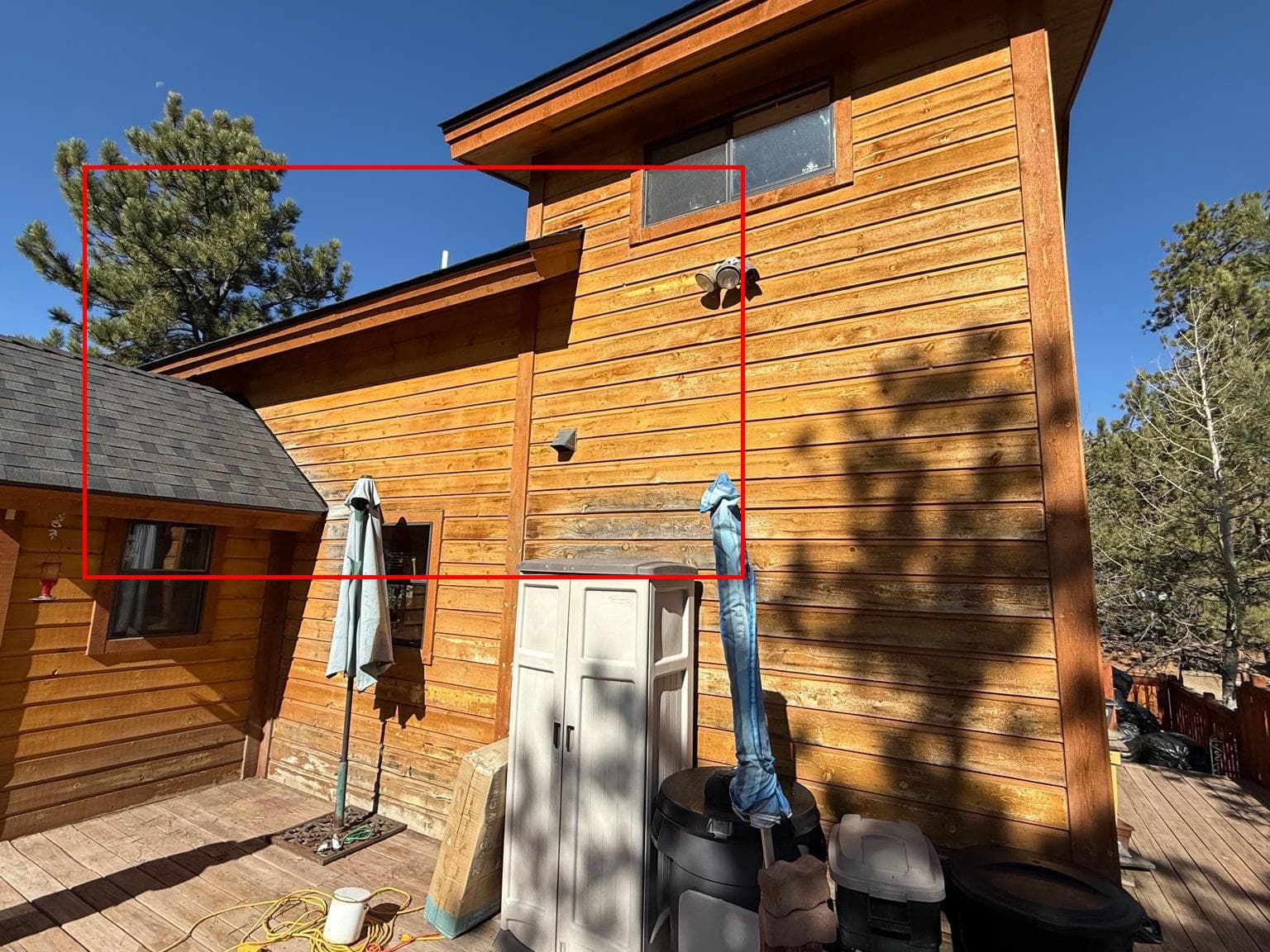
1. Regular Inspections Conduct thorough inspections at least twice a year, ideally in spring and fall. Look for signs of wear and tear, such as cracks, rot, or insect infestations. Early detection of issues can prevent more extensive and expensive repairs down the line.
2. Keep it Clean Dirt and debris can trap moisture against the logs, leading to rot and decay. Regularly wash the exterior of your log home with a mild solution of water and a gentle detergent. Use a soft brush to scrub the logs, ensuring you reach all the nooks and crannies.
3. Maintain the Stain and Finish Staining not only enhances the natural beauty of the wood but also provides a protective barrier against UV rays and moisture. Reapply stain every three to five years, or as needed. Use high-quality, breathable wood stains designed specifically for log homes.
4. Check the Chinking Chinking is crucial for insulating your log home and keeping out pests and moisture. Inspect the chinking for cracks or gaps and repair them promptly to maintain your home's energy efficiency and structural integrity.
5. Control Moisture Moisture is the enemy of wood. Ensure proper drainage around your log home to prevent water from pooling near the foundation. Keep gutters and downspouts clean and in good working order. Consider installing overhangs or awnings to protect logs from excessive rain exposure.
6. Protect from Pests Log homes can attract a variety of pests, from termites to carpenter bees. Use natural pest repellents or professional pest control services to keep your home bug-free. Regularly inspect for signs of infestation, such as small holes or sawdust piles.
7. Trim Vegetation Keep trees, bushes, and plants trimmed back from your log home. This not only reduces the risk of physical damage from falling branches but also improves airflow and reduces moisture retention around the logs.
8. Monitor Settling and Movement Log homes naturally settle and shift over time. Monitor the alignment and adjust doors, windows, and other structural elements as needed to accommodate these changes. Consulting with a professional can help manage significant settling issues.
9. Address Issues Promptly As soon as you identify any problems, whether it's a small crack or a more significant structural concern, address them quickly. Delays can lead to more complicated and costly repairs.
10. Consider Professional Maintenance While DIY maintenance can be effective, professional services can provide a thorough inspection and maintenance routine. They have the experience to spot potential issues that might be overlooked and can offer specialized treatments to extend the life of your log home.
Conclusion A log home is more than just a house; it's a lifestyle. By following these maintenance best practices, you can ensure that your log home remains a sturdy, beautiful retreat for years to come. Remember, the key to long-lasting beauty and durability is consistent care and vigilance. Implement these strategies, and your log home will continue to be a source of pride and joy.