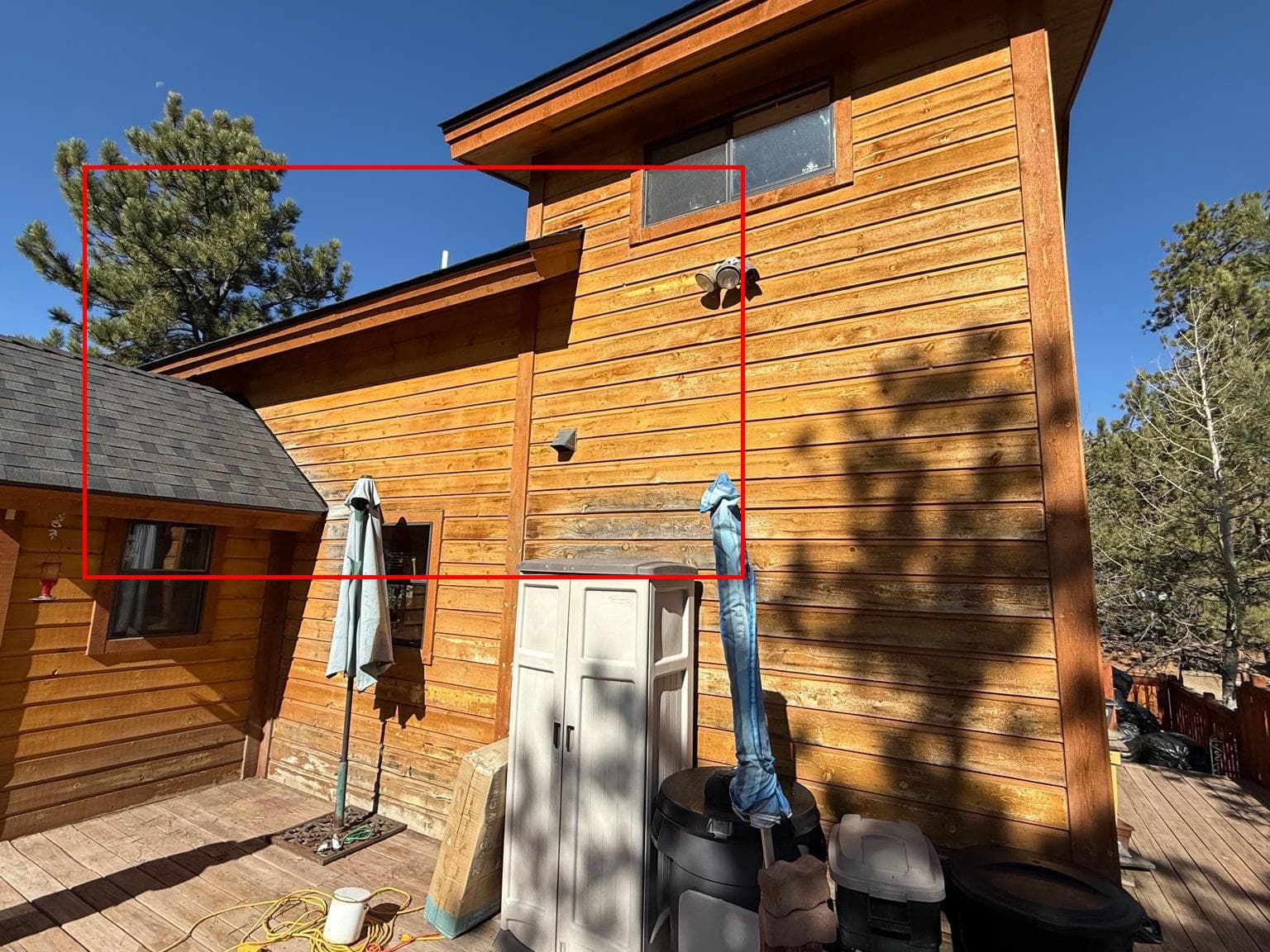
Duct Tape vs Duck Tape: A Log Home Painter's Guide to Not Looking Like a Rookie
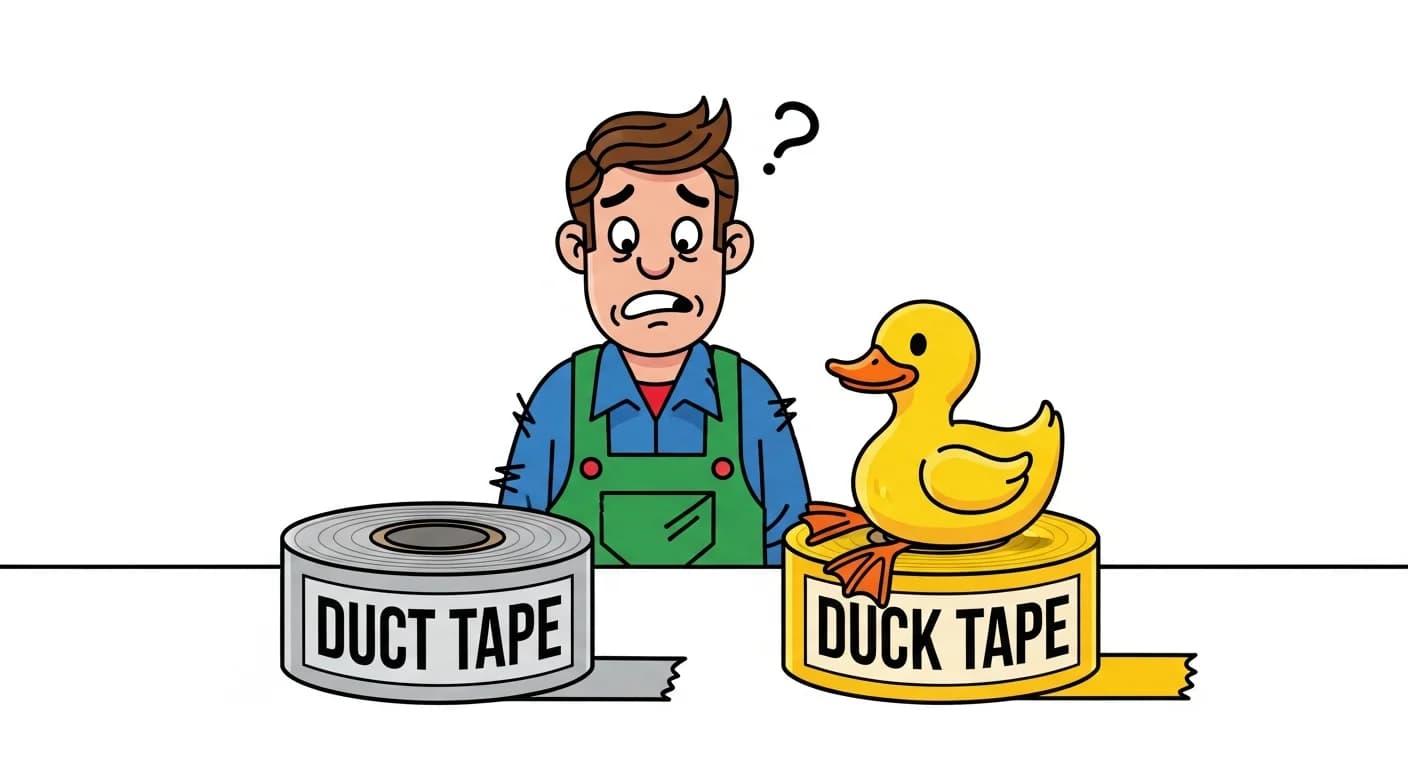
If you've ever walked into a hardware store and grabbed a roll of tape for a painting project, you might have noticed something peculiar on the shelf. There sits "Duct Tape" right next to "Duck Tape" – and if you're like most folks, you've probably wondered if someone in the marketing department had one too many coffees that morning.

As a log home painter with over two decades of Colorado mountain experience, I'm here to settle this age-old debate once and for all. And spoiler alert: neither one belongs anywhere near your painting project.
The Great Tape Debate: A Brief History
Here's the thing – they're actually the same product with different names, and both have a fascinating origin story. During World War II, the military needed a waterproof tape to seal ammunition cases. They used a cotton duck fabric (yes, like the bird's name, but actually derived from the Dutch word "doek" meaning cloth) coated with polyethylene. Soldiers called it "duck tape" because water rolled right off it – like water off a duck's back.
After the war, the tape found a new home in the HVAC industry for sealing air ducts. Clever marketing folks renamed it "duct tape," and suddenly we had two names for essentially the same sticky gray miracle.
Why Your Log Home Painter Should Never Use Either
Now here's where my professional pride kicks in. If you ever see a painter pull out a roll of duct tape (or duck tape – I'll stop distinguishing because they're equally wrong for the job), you might want to politely ask them to reconsider their career choices.
Here's why:
- Adhesive Nightmare: That super-sticky gray stuff leaves behind a gummy residue that's harder to remove than pine sap from a freshly finished log wall. And trust me, I've dealt with both.
- Bleed-Through City: The adhesive isn't designed to create a paint-tight seal. Your beautiful crisp lines? Gone. Replaced by wobbly, paint-bled edges that scream "amateur hour."
- UV Degradation: Leave it in the Colorado sun for more than a few hours, and that tape becomes one with whatever surface it's stuck to. I've seen crews spend more time removing tape residue than they spent actually painting.
- Surface Damage: On delicate surfaces like weathered log siding or aged window glazing, duct tape can actually pull up finish, wood fibers, or even old glazing compound.
What Professional Log Home Painters Actually Use
For protecting fixtures, glass, and trim during a log home restoration or staining project, here's what you'll find in our trucks:
1. Blue Painter's Tape (ScotchBlue or Equivalent)
The 14-day version is our workhorse. It provides clean release, crisp lines, and won't damage cured finishes. For delicate surfaces, we step up to the "Delicate Surface" version – it's like the difference between a firm handshake and a gentle greeting.
2. Green Frog Tape
When we need absolutely perfect lines – especially on smooth surfaces around windows and doors – FrogTape's PaintBlock technology creates a micro-barrier that prevents paint bleed. It's the Cadillac of painter's tape.
3. Paper Masking Tape
For general masking where precision isn't critical (think covering hardware or protecting areas from overspray), traditional paper masking tape does the job without breaking the bank.
4. Plastic Sheeting with Tape Attached
For large glass areas like picture windows overlooking the Rockies, we use pre-taped plastic sheeting. Unfold, stick, done. Protects against stain splatter without spending hours taping individual panes.

The Real Test of a Professional
Here's a little secret: you can often judge a painting contractor's professionalism by what's in their tape collection. A pro will have multiple types for different applications – just like a chef has different knives for different cuts.
So the next time someone asks you "duct tape or duck tape?" for a painting project, you can confidently answer: "Neither. Pass me the blue tape, and let's do this right."
A Note About Log Home Specifics
Log homes present unique challenges that make proper masking even more critical:
- Textured Surfaces: The natural contours of logs make achieving tight seals more difficult. We often have to press tape into crevices and use a putty knife for proper adhesion.
- Chinking Lines: Where logs meet chinking, you need tape that follows curves without lifting. That's definitely not duct tape territory.
- Stain vs. Paint: Log home stains are thinner than house paint and will find any gap in your masking. Precision matters more here than on conventional homes.
The Bottom Line
Duct tape and duck tape are fantastic products – for sealing actual ducts, emergency car repairs, crafting wallets (apparently that's a thing), or temporarily holding the universe together. But for protecting your beautiful log home during a restoration project? Leave them in the garage where they belong.
Your windows, fixtures, and future self will thank you.
Got a log home painting project in the Colorado mountains? Our team brings the right tools – and the right tape – to every job. Contact us for a free estimate.